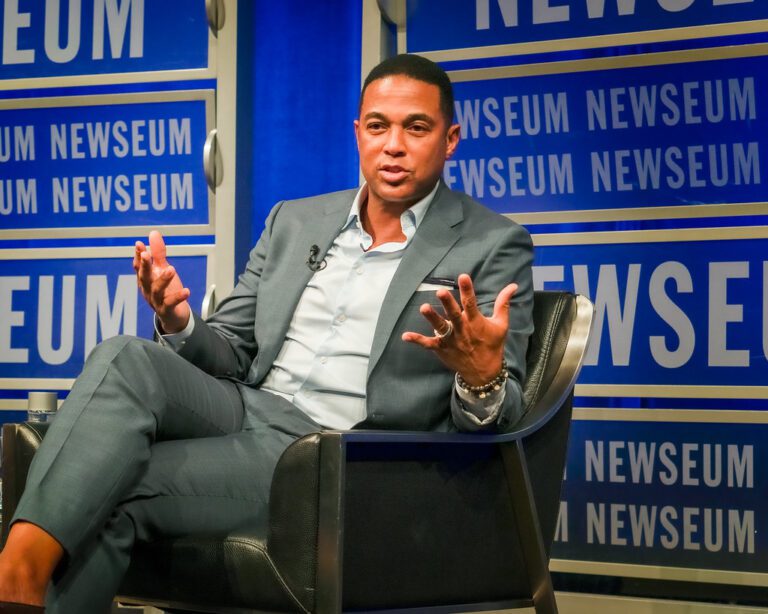

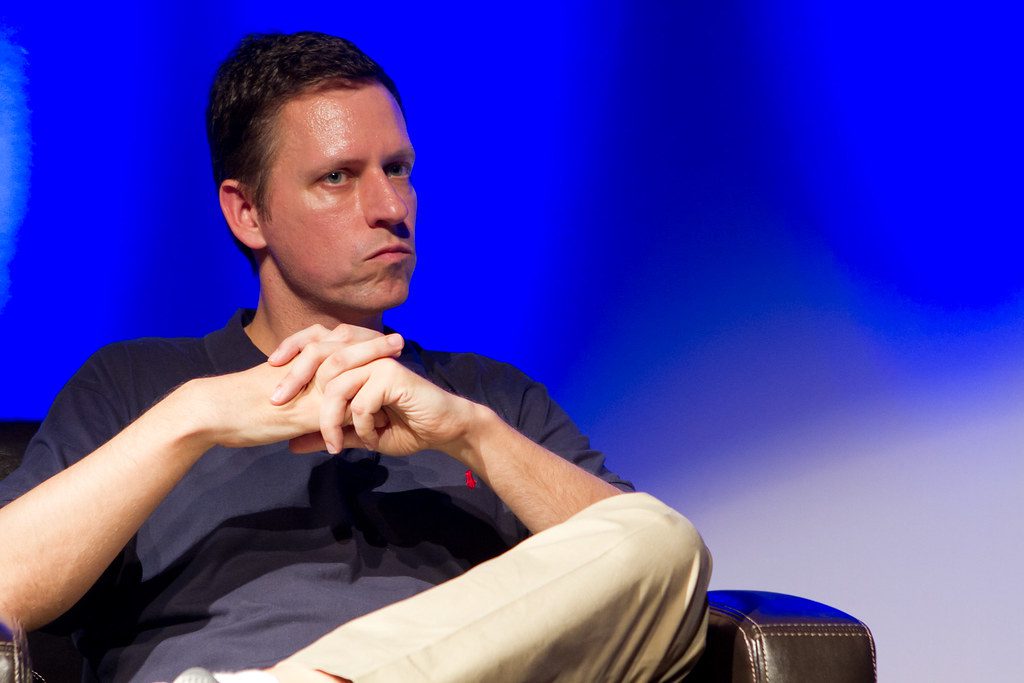
I watched the New York Times interview between Ross Douthat and Peter Thiel recently. This is Part 1 of my series on Peter Thiel – Inside the Cult of Progress, based on that interview.
Would You Rather Die Than Be Bored?
“What should we fear more: Armageddon or stagnation?”
—Ross Douthat, Interesting Times podcast
That’s how the interview begins. It’s supposed to sound profound. To me, it just sounded inane. What human being chooses total annihilation over slowing down or maintaining the status quo?
From the start, this was not a conversation grounded in reality. It was a thought experiment between two men, Peter Thiel and Ross Douthat, who speak as if ideas float above consequence. They don’t for the rest of us.
If there’s a crisis here, it’s not stagnation. It’s billionaire ennui dressed up as social critique.
The Crisis That Isn’t
I look around and see a polycrisis: record-breaking wildfires and floods displacing millions, mass extinction accelerating, a global water crisis, and climate tipping points that come and go while the ultra-rich race to build bunkers or pretend they can escape to Mars.
Thiel insists that progress has stalled. “I still broadly believe in the stagnation thesis,” he says, pointing to a lack of visible breakthroughs outside of software and AI.
But some of what’s labelled stagnation isn’t technological, it’s institutional habit. And it’s happening because the people in charge refuse to ask the hard questions about what’s not working. Instead of changing course or shutting things down, they double down and keep the machine running, even when it’s broken.
Thiel gives the example of Alzheimer’s research. For decades, scientists have focused on amyloid plaques as the primary cause. Billions have been spent chasing this theory. But, according to Thiel, trial after trial has failed. And yet the amyloid hypothesis continues to dominate research funding.
Why? Because bureaucracy, prestige, and financial rewards generously compensate for sticking with what doesn’t work.
The Disappearing Middle
Peter Thiel wasn’t born rich, but he was raised in an elite, educated household. He’s never lived paycheque to paycheque and certainly never had to choose between rent and groceries.
The middle class once meant stability with union jobs, affordable homes, and pensions you could count on. That’s all slipping away. Now wages stall while costs soar, stability is replaced with gig work and debt, and the wealth gap in Canada and the U.S. is the highest it’s been in generations
Billionaire ideology refuses to acknowledge that this isn’t about people lacking ambition. It’s about a system deliberately redesigned to squeeze profit from the many for the comfort of the few.
Progress That Burns the Planet
Thiel labels our environmental concerns as part of a “Malthusian mindset.” He implies that being cautious about the planet might hold us back. He mentions “the Greta future” as a dystopian threat, not because it would harm people, but because it would force the wealthy to cut emissions, limit extraction, and live within ecological boundaries. For Thiel, that kind of accountability looks like authoritarianism.
The woes of the uber-wealthy are hard to take seriously.
We must understand that we didn’t end up here by accident. This crisis was built, brick by brick, by powerful interests with profit motives. And now people like Peter Thiel are telling us that the only way out is more of the same.
The Real Cost of His Progress
Thiel spoke extensively about risk, emphasizing how we need to “take a lot more risk,” particularly in biotech and medicine. But when he says “we,” he doesn’t include himself. He means sick patients, underpaid workers, and poor countries.
Take Purdue Pharma. They promoted OxyContin with misleading marketing and downplayed addiction risks, which helped spark a global opioid crisis. Over 500,000 people in North America alone have died from opioid overdoses since the late 1990s.
Or look at Theranos. It was sold as the future of medicine with fast, painless blood tests from a single drop. Elizabeth Holmes was greedy, yes. She misled investors, intimidated whistleblowers, and compromised patient safety.
The real power, though, came from the men who backed her. Wealthy, well-connected figures like Henry Kissinger and Rupert Murdoch handed over millions without demanding proof. Like Thiel, they were eager for disruption, to be part of the next big thing, to ride the wave of progress, no matter the cost.
The romanticized cult of movement for its own sake is not just reckless, it’s deadly.
The Dilettante Philosopher
Thiel peppers the conversation with high-concept references: Nietzsche, transhumanism, orthodoxy, cryonics, nuclear energy.
This kind of language isn’t about understanding, it’s about obscuring. Thiel dresses up dangerous ideas, like removing safety regulations from medicine or treating AI like it’s humanity’s saviour, in vague philosophical language to make them sound inevitable.
As long as the discussion stays abstract: about Mars, immortality, or the Antichrist, he never has to explain what the consequences of his ideas would mean for “regular” people like me.
And that tendency – to keep the stakes lofty and the details vague – is precisely what carries through the rest of his worldview.
Reclaiming Progress
Here’s where it lands for me. Progress isn’t limited to new tech or economic growth – in fact, neither guarantees survival for humanity. It’s about living within our means, meeting needs on a global scale, and surviving together.
We are not stagnating. We are trying to survive. And nothing threatens billionaires more than a public that stops believing in their definition of progress.
Inside the Cult of Progress – All Three Parts
This series pulls back the curtain on how Peter Thiel and other billionaires frame themselves as visionaries while hoarding power and resources.
In Part 1, “Peter Thiel and the Myth of Stagnation”, we look at how what’s framed as a crisis of innovation is really resistance to inequality and unchecked techno-capitalism.
In Part 2, “How Peter Thiel Uses Populism to Protect Billionaire Power”, we dig into how faux “outsider” rhetoric hides a grab for control.
And in Part 3, “Why Peter Thiel’s Vision Leaves People Behind”, we confront how his so-called progress ignores the needs of the majority.
About The Author