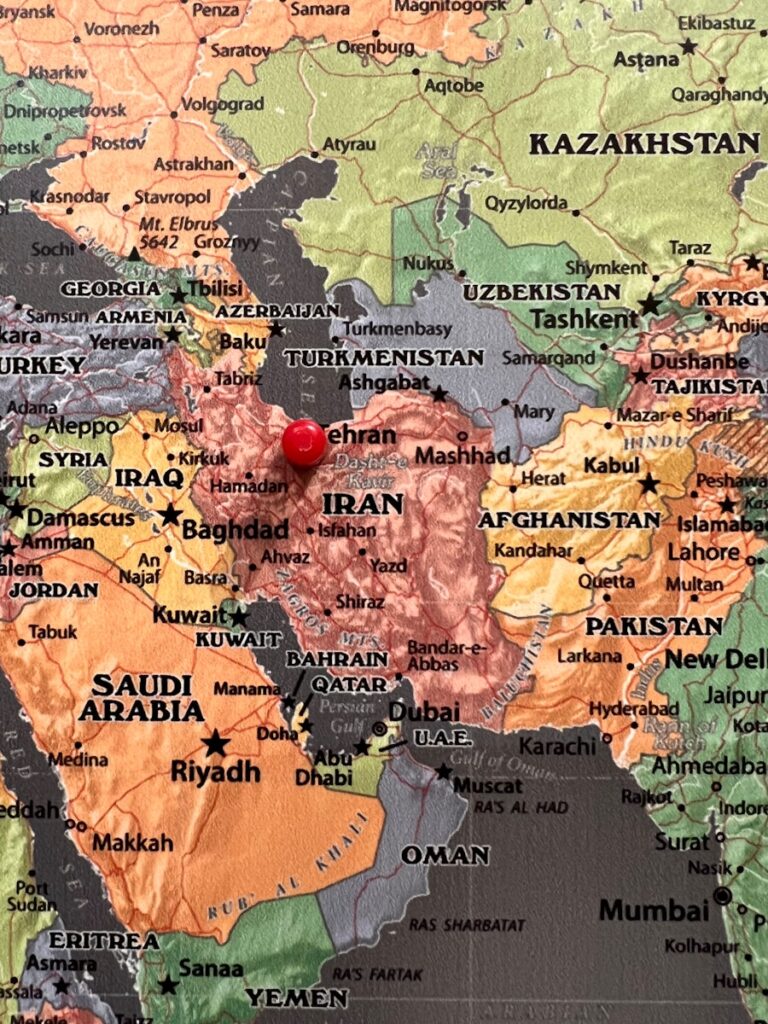

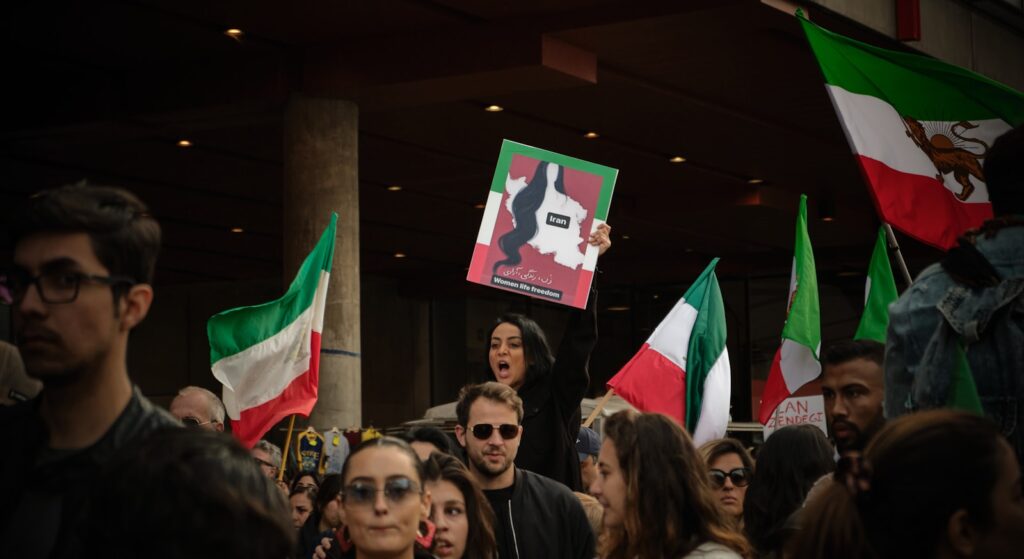
The Iran protests continue across the country as demonstrators challenge Iran’s political leadership amid arrests, internet shutdowns, and increasing use of force. Reports of widespread arrests, internet shutdowns, and the use of lethal force have drawn international condemnation and renewed debate about how the global community should respond. At the centre of that debate are familiar questions about foreign intervention, sanctions, and whether external pressure helps or harms those risking their lives on the ground.
The current wave of Iran protests reflects deep and long-standing grievances. Protesters have cited economic hardship, political repression, and lack of personal freedoms as driving forces behind the demonstrations. While the immediate triggers vary by region, the persistence of Iran’s protests suggests a level of public frustration that has not been eased by previous reforms or crackdowns.
Iranian authorities have responded forcefully to Iran’s protests. Security services have attempted to suppress demonstrations through mass detentions and by restricting access to social media and messaging platforms. Internet disruptions have become a defining feature of the unrest, limiting protesters’ ability to organize and preventing the outside world from fully understanding the scale of events inside the country. Human rights organizations warn that this information blackout makes accountability far more difficult.
Iran Protests and the International Response
International reaction to Iran’s protests has been swift, but uneven. The United States has issued strong statements condemning Tehran’s actions, with senior officials publicly urging Iranians to continue protesting and hinting at additional consequences for the regime. This raises a fundamental question: what, precisely, is this rhetoric intended to accomplish? Is it meant to deter further repression, signal moral support, pressure elites within Iran, or simply register condemnation for international audiences?
Canada’s response to the Iran protests has been more measured but firmly aligned with its allies. Ottawa has imposed sanctions on Iranian officials and entities linked to human rights abuses, including members of Iran’s security and judicial systems. Canadian officials have framed these measures as targeted actions aimed at accountability rather than collective punishment, while reiterating calls for restraint and respect for international human rights obligations.
For Canada, the fallout from the Iran protests is not only diplomatic but practical. Rising tensions in the Middle East could affect global energy markets, migration pressures, and international security commitments, all of which carry domestic consequences. Sanctions and public statements related to the protests, while symbolically important, can also have economic and geopolitical effects that require careful calibration.
Critics of Western responses to Iran’s protests argue that without clear objectives or pathways for de-escalation, pressure risks becoming largely symbolic. Sanctions and statements are familiar tools, but their effectiveness depends on coordination, clarity of goals, and sensitivity to local dynamics. Without that clarity, strong language may satisfy political imperatives abroad while having limited influence on events inside Iran.
There is also the risk of narrative distortion. Iranian authorities have repeatedly portrayed the protests as foreign-instigated, a claim reinforced when Western leaders appear to go beyond condemnation and into directing how Iran’s internal politics should unfold. Such framing can undermine protesters by allowing the state to cast dissent as externally driven rather than rooted in domestic demands.
As the Iran protests continue, governments face an unresolved dilemma. How can external actors apply pressure without strengthening authoritarian narratives? How can solidarity be expressed without overshadowing the agency of those protesting? For countries like Canada, the challenge lies in ensuring that responses to the Iranian protests are grounded in strategy rather than symbolism, and in outcomes rather than optics.
About The Author