

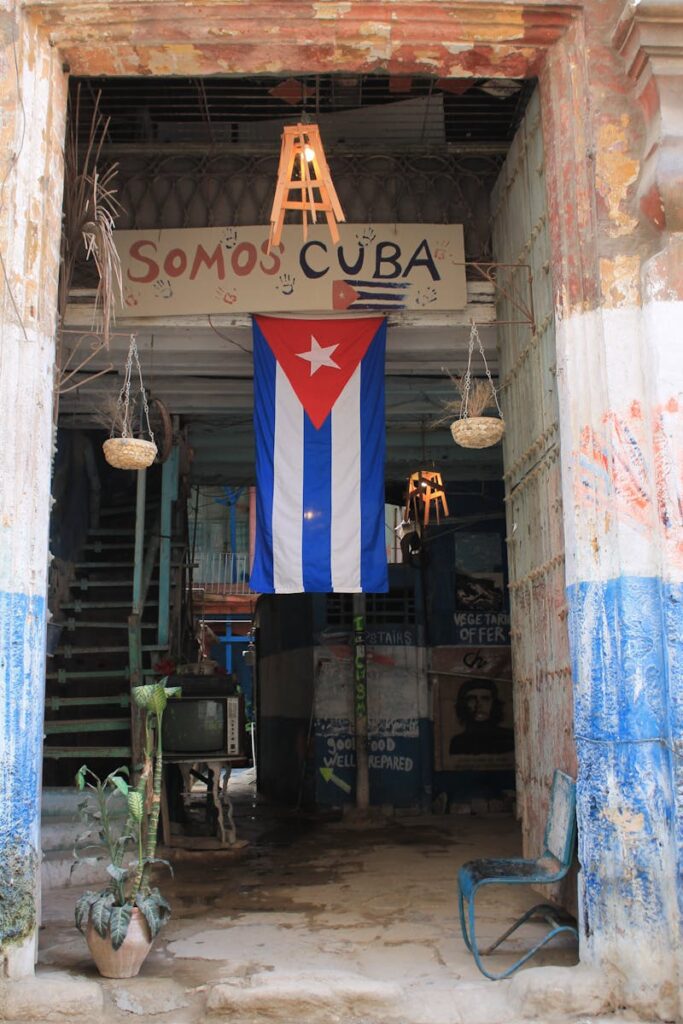
Editor’s Note: The situation is fast moving. As of February 10, 2026, all planes going to Cuba by Air Canada, Sunwing, Air Transat, Westjet and Caribe Sol have been cancel until the end of April. We will update this article as more information becomes available.
The Situation Right Now
Is Cuba in Crisis? Well, here’s where we’re at as of early February 2026: the UN is literally warning that Cuba could face a humanitarian collapse if they can’t get oil UN News. Things went from bad to worse super fast after the US grabbed Venezuela’s President Maduro in early January, and now Trump is threatening tariffs on any country that dares to send oil to Cuba.
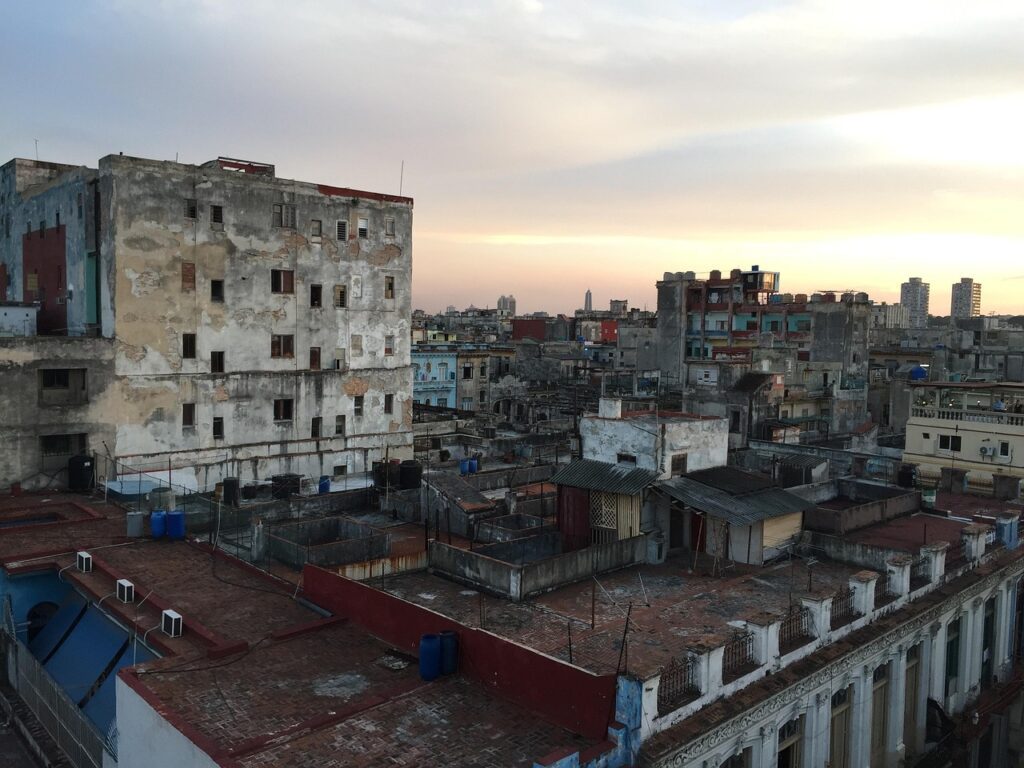
We’re talking about blackouts that last 20 hours a day. People are cooking with coal and firewood because there’s no electricity. Cuba’s President Díaz-Canel called it “complex” and “aggressive and criminal,” saying it’s screwing up everything from transportation to hospitals to schools Al Jazeera. Meanwhile, according to CiberCuba, the White House literally said this week that Cuba’s government “is in its final moments” and about to collapse.
My goal here is not to be alarmist, or dramatic, but realistic. I think it is time we see things for what they are and start admitting, as sad as it is, that things are spiraling out of control over there.
What Travelers Are Actually Seeing
Look, the picture from tourists is all over the place. Canada updated their travel warning on February 4th, basically saying “be careful, everything’s falling apart including the resorts”. Some people who just got back are saying it’s still beautiful and safe, but the official line is that things are unpredictable and flights could get disrupted with zero notice.
Travel Off Path straight-up told people to avoid Cuba in 2026, saying this isn’t just a rough patch—it’s a “systemic crisis”. They’re saying the basic stuff you need for a vacation—power, water, food, working hospitals, a currency system that makes sense—is all breaking down at once.
But here’s the thing: the Cuba Tourist Board is claiming Canadian visitors actually went up 15% between November and January, and they’re insisting the resorts are running fine. Travel agents say people are asking questions but not really canceling yet.
The Human Cost
This is where it gets heartbreaking. Cuba lost 10% of its population between late 2021 and late 2023—people are just leaving. Thousands of Cubans—some sources quote 97,000 while others say over 238,000—tried to get into the US just in the first eight months of 2024. Inflation hit 30% at the start of 2025, and food prices are absolutely crushing people.
There’s this one woman who worked for 40 years and now gets $8 a month in pension. She literally said “What can I afford? Nothing. Not even a package of chicken”.
The Disease Outbreaks: Chikungunya and More
And if the power crisis and economic collapse weren’t enough, Cuba’s dealing with serious disease outbreaks. Cuba has reported 38,342 chikungunya cases and 21 deaths through November 2025. Actually, by early December, officials said 33 people had died from chikungunya and dengue combined since July, with 21 of them being children. That’s devastating.
The outbreak started in western provinces like Matanzas but has now spread to all 14 provinces, with La Habana, Camaguey, Cienfuegos, Artemisa, and Villa Clara being hit hardest. In Santiago de Cuba, children make up about 65% of the seriously ill patients hospitalized for arboviruses. And this is happening in Havana too, where most tourists go.
Officials are saying the outbreak got worse because of poor sanitation, garbage buildup, and water shortages forcing families to store water in tanks where mosquitoes breed. See how everything connects? The power outages mean no water pumps. No water means people store water in containers. Stored water means mosquito breeding grounds. It’s a nightmare feedback loop.
149 confirmed chikungunya cases have shown up in Florida among people who traveled to Cuba, with 95 cases just in Miami-Dade County in 2025. So this isn’t just affecting Cubans—it’s hitting tourists too.
The CDC issued a Level 2 travel notice for Cuba, recommending vaccination for travelers visiting the outbreak area. The good news is there are vaccines available now. The bad news? Most people don’t even know about this outbreak before they book their trips.
And it’s not just chikungunya—they’re also dealing with Dengue and Oropouche virus outbreaks, and there aren’t enough antibiotics or basic medical supplies to handle it all.
Let’s Talk About the US Role
How We Got Here
The embargo started back in 1962 under Kennedy—basically banning all trade except food and medicine, then tightening up after the Cuban Missile Crisis. And here’s the thing: declassified documents show the actual goal was to create “hunger, desperation, and overthrow” the Cuban government. Even back in 1982, the CIA’s own study admitted it was “seriously damaging Cuba” but totally failing to achieve its goals, and the political costs weren’t worth it.
The Dollar Cost
Cuba says the embargo has cost them around $144 billion, and the UN basically agrees with that number. Research shows the sanctions definitely hurt Cuba’s economy, though not quite as much as the Cuban government claims—they’ve got their own internal problems too. But the embargo forces Cuba to buy everything from far away at way higher prices, which is brutal.
When Trump was president the first time, he capped how much money Cuban-Americans could send home, and remittances dropped 70% between 2018-2020. That money was keeping families afloat. Then Trump added over 240 new sanctions, completely reversing everything Obama tried to do.
The Recent Stuff
Last February, Western Union stopped sending money to Cuba because of new sanctions. Now Trump’s threatening tariffs on anyone who sells Cuba oil—that’s a whole new level. A UN investigator said things got way worse starting in 2018, and especially after they put Cuba back on the terrorism sponsor list in 2021.
What Everyone Else Thinks
The UN General Assembly has been voting to end the embargo for 30+ years now—it’s overwhelming every time. Countries say it violates international law. You’ve got the libertarian Cato Institute, Amnesty International, multiple Popes, and American business leaders all saying the embargo is a failed policy that hurts regular Cubans while costing us money and freedom.
But It’s Not Just the Embargo
Look, we need to be honest here. Cuba’s gotten better, but it still has serious problems that have nothing to do with the US. It’s a socialist, one-party state governed by a Marxist-Leninist system that doesn’t allow any opposition, bans independent media, and cracks down on anyone who tries to speak out. They’ve got over 1,000 political prisoners, including 30 kids under 18. People get arrested just for criticizing the government.
The economy’s got huge internal problems—messed up currency system, defaulting on debts, state-run businesses that don’t always work efficiently. The government’s not transparent about their oil reserves, and the military basically controls everything through big conglomerates.
COVID absolutely destroyed their tourism industry, and they only got 2.2 million tourists in 2024—less than half what they had before the pandemic. Plus Hurricane Melissa hit them hard last year.
Bottom Line: It’s Complicated
Cuba’s crisis is basically multiple disasters happening at once:
- US Policy: The embargo and especially this new oil blockade are causing real humanitarian suffering. It’s been 60+ years and it clearly hasn’t worked—it just hurts regular people.
- Cuban Government: Economic mismanagement, political repression, refusing to make real reforms—they own a lot of this too.
- Bad Luck: Losing Soviet support in the 90s, Venezuela falling apart, COVID killing tourism, natural disasters.
- Geopolitics: The US just took out Venezuela’s president and is threatening anyone who helps Cuba. That’s unprecedented.
- Disease Outbreaks: The chikungunya and dengue epidemics are killing kids, and the infrastructure collapse is making it worse by creating perfect mosquito breeding conditions.
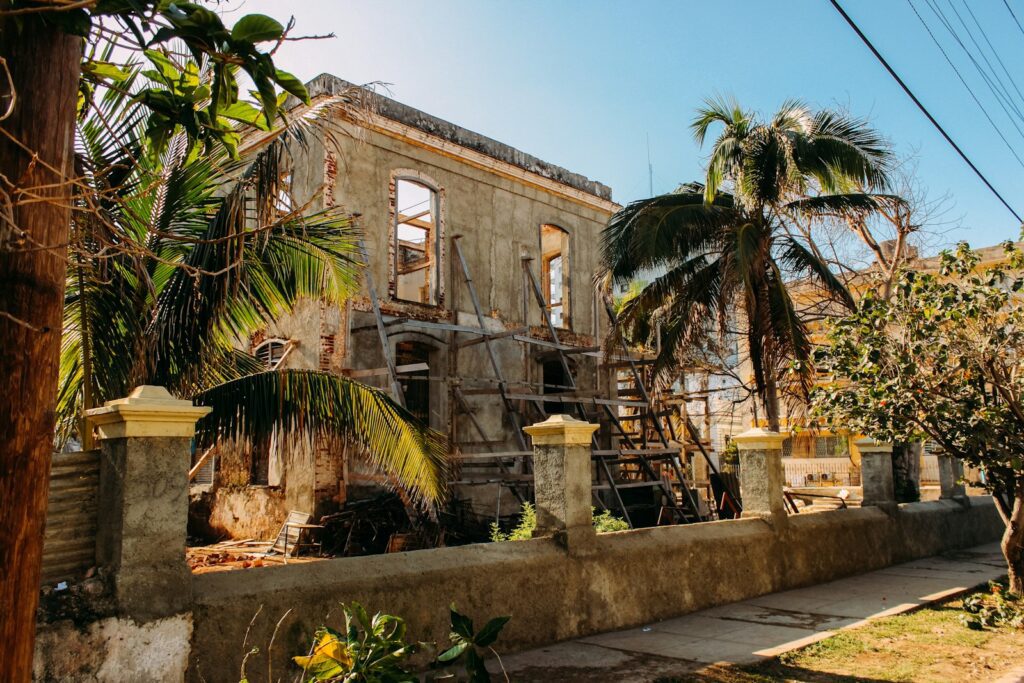
The US definitely shares responsibility for people’s suffering through this policy of economic strangulation that’s failed for six decades. But Cuba’s government has also made things worse through their own failed policies and authoritarian control. Both things can be true.
So Should Canadians Still Go?
Cancel or postpone if:
- You need reliable power, water, or medical care
- You have health issues that require meds or AC
- You’re expecting normal resort quality and service
- You can’t handle possible flight cancellations
- You just want a chill, relaxing vacation
- You’re pregnant (chikungunya can seriously harm newborns)
- You have young kids (they’re getting hit hardest by the disease outbreak)
Maybe consider going if:
- You’re ready for serious hardships and see it as part of the experience
- You want your money to help regular Cubans
- You’re super flexible and have realistic expectations
- You’ve got solid travel insurance that covers everything
- You’re bringing your own meds, supplies, and lots of cash
- You’re getting the chikungunya vaccine before you go
- You’re prepared to deal with mosquito-borne diseases
The Disease Factor: Chikungunya causes fever, severe joint pain, and fatigue, usually starting 3-7 days after a mosquito bite. Most people recover in a week, but some have joint pain for months or years. There’s no cure—just symptom management. And with 38,000+ cases across all provinces, your risk is real.
The Ethics Question: Some people say tourism helps ordinary Cubans economically; others say it mostly benefits the government. Honestly, both are kind of true—people who run private guesthouses and restaurants benefit directly, but the government-run tourism sector gets most of the money.
My Take: Given what’s happening right now in February 2026—20-hour daily blackouts, no fuel, food shortages, potential humanitarian collapse, even the resorts struggling, PLUS a major disease outbreak killing kids—most people should seriously think twice about going. I know I am sadly going to skip my trip this year. The infrastructure is falling apart to the point where even hardcore travelers are having major problems. And now you’re adding disease risk on top of everything else. Nobody really knows if it’ll get better or worse. And the situation is changing rapidly, day to day.
If you’re still going: get vaccinated for chikungunya before you leave. Pack like you’re going camping in a crisis zone. Bring serious mosquito repellent with DEET. Expect everything to go wrong. Get great insurance. Register with your embassy. This isn’t a vacation anymore—you’re basically visiting a country in the middle of an emergency while mosquito-borne diseases spread.
Is Cuba in Crisis? Definitely. The Cuban people don’t deserve this suffering, whether it’s coming from US sanctions or their own government’s failures. Both need to change for things to actually get better.
About The Author









Just returned from a resort in Cayo Coco, Cuba tonight. I’ve read a lot on Cuba lately but this is by far the very best investigative article I’ve ever read. It depicts the current status in the country. We have never been to Cuba before and we spent 3 weeks Jan 16-Feb 6, 2026. We could see these things happening week by week. Would we go back? Not until things change for the better in the future. The Cubans are so resilient and proud of their country, that they are putting on a good fight. God bless them!
I think that this is an opportune time for Canada. We should step in and negotiate a takeover of Cuba. I think the payback would be very quick and great for Canadians to finally have their own winter southern destination. I think that the Cubans would be very receptive to Canada.