
Yesterday's morning commute on Ottawa's Highway 417 was thrown into chaos by a serious multi-vehicle collision, leaving many drivers looking for clear, verified information on what happened. As a news source, our priority is to provide factual, up-to-date reporting on newsworthy events that impact our community.
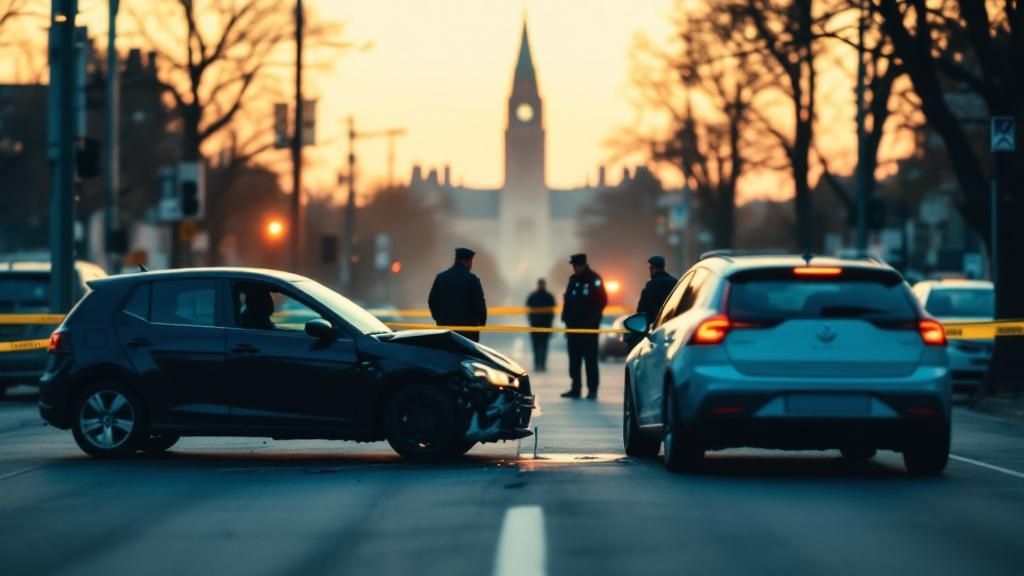
The crash involved three vehicles and led to major road closures for several hours, underscoring just how quickly our daily routines can be disrupted. Emergency services, including Ottawa Police and Paramedics, were on the scene quickly.
What We Know About Yesterday's Accident
When a major collision clogs a key artery like the 417, initial news can feel scattered. Our goal is to cut through the noise and give you a straightforward summary based on official reports and confirmed facts.
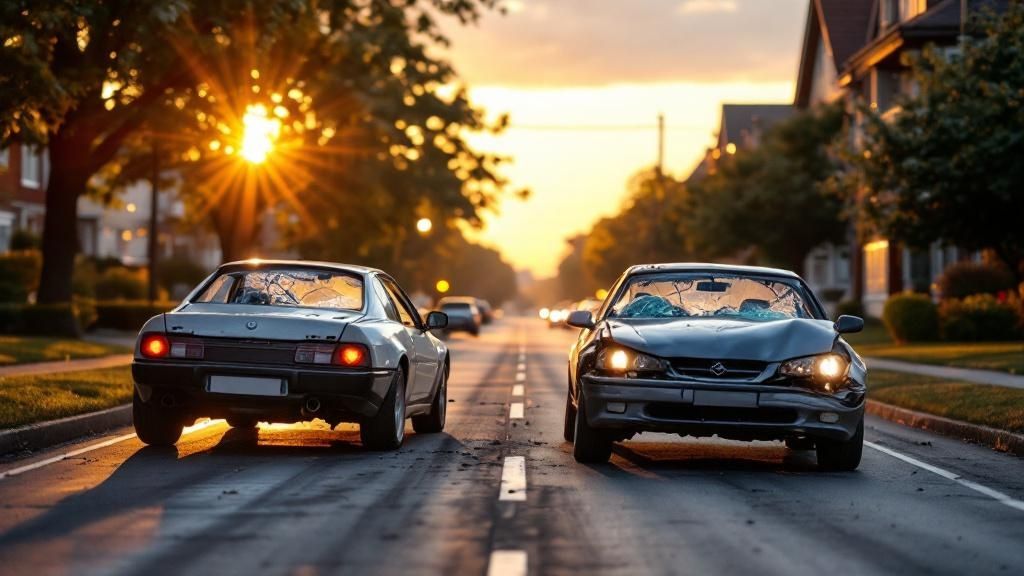
This incident happened during a peak traffic period, which dramatically amplified its impact on commuters across the city. Understanding the verified details is the first step in piecing together the timeline and its consequences for Ottawa drivers.
To make the essential information easy to digest, we’ve put together a quick overview based on confirmed reports. This table pulls directly from official sources to give you the facts at a glance.
Yesterday's Accident At a Glance
Here’s a snapshot of the key details from the Highway 417 collision, based on official police and paramedic reports.
| Detail | Information |
|---|---|
| Location | Eastbound lanes of Highway 417 near the Parkdale Avenue exit. |
| Time of Incident | Approximately 8:15 AM yesterday morning. |
| Vehicles Involved | Three vehicles, including a commercial van and two passenger cars. |
| Injuries Reported | Two individuals were transported to the hospital with non-life-threatening injuries. |
| Emergency Response | Ottawa Police, Paramedic Services, and Fire Services were on scene. |
| Road Closure | The eastbound lanes were closed for nearly four hours for investigation and cleanup. |
This summary serves as a factual starting point. In the sections that follow, we'll dive deeper into the sequence of events and the potential factors that contributed to the crash, based on expert analysis.
To really understand the full picture of yesterday's car accident, you have to look at how things unfolded. By piecing together official reports and standard emergency protocols, the chaos starts to make sense. It’s a stark reminder of how one moment can create a ripple effect that snarls traffic for thousands and requires a significant emergency response.
The collision itself, involving a commercial van and two other cars, happened right at the peak of the morning rush. That timing was critical, turning a serious crash into a city-wide traffic disruption.
The Immediate Aftermath and Response
Those first few moments after the impact were critical. Almost immediately, 911 calls from other drivers sent emergency crews racing to the scene. The response was fast, focused on getting medical help to the injured and securing the area to prevent further collisions.
This graphic gives a clear look at just how quickly help arrived.
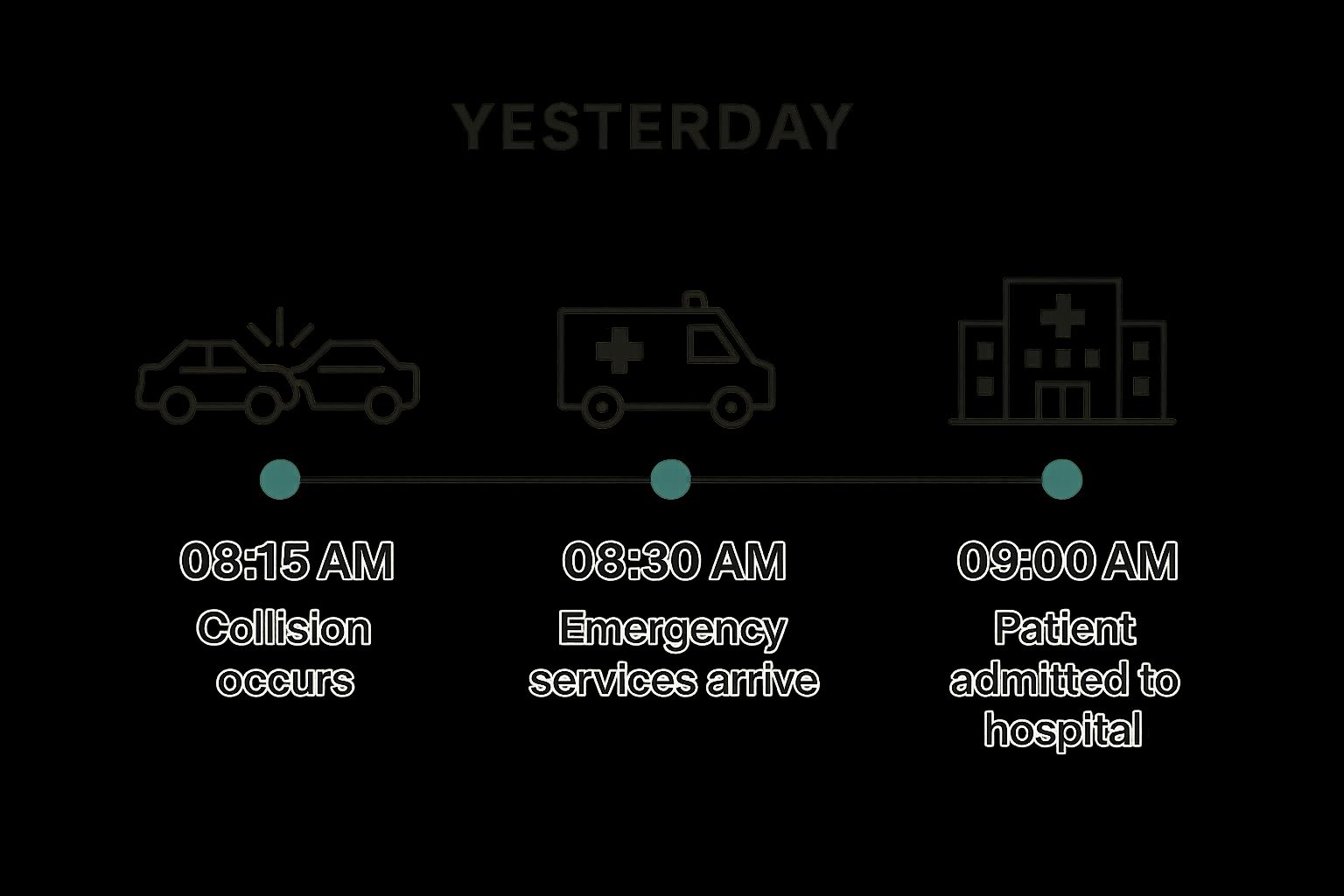
It shows an impressive 15-minute response time for emergency services, a testament to their efficiency, especially amid major traffic congestion.
The minutes right after a crash are often the most confusing. Here’s a play-by-play of how events likely unfolded, based on what we know and standard emergency procedures.
-
Initial Impact (Approx. 8:15 AM): The three vehicles collided in the eastbound lanes of Highway 417. The force of the crash brought traffic to a sudden halt for kilometres.
-
Emergency Calls (Approx. 8:16 AM): Witnesses and those involved immediately called 911, giving dispatchers the location and a description of the incident.
-
First Responders Arrive (Approx. 8:30 AM): Ottawa Police, Paramedics, and Fire Services were on site. Their first priorities were triaging injuries, making the scene safe, and managing the escalating gridlock.
Paramedics often refer to the "Golden Hour," the crucial first hour after a major trauma where medical care is most effective. The 15-minute on-scene arrival time was vital for the two individuals transported to the hospital.
That quick response is a key reason the injuries were not life-threatening. Once the injured were en route to the hospital, the focus shifted to investigating the scene and clearing the vehicles—a meticulous process that kept that stretch of the 417 closed for hours.
Understanding the Factors Behind the Collision
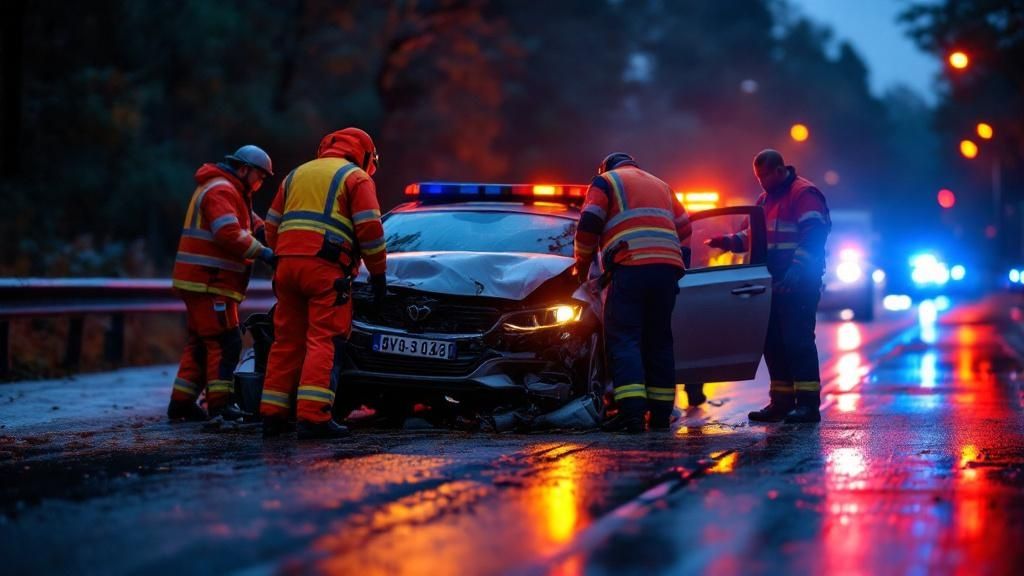
Now that we have a timeline of yesterday's car accident, the important question isn't just what happened, but why. While the official police investigation is ongoing, we can analyze common factors that contribute to such incidents on Ottawa’s busy roads. Understanding them helps put things in perspective and reinforces the need for defensive driving.
A serious collision is rarely caused by a single mistake. It's often a chain reaction where several factors—from driver behaviour to road conditions—combine to create a disastrous outcome.
For example, when a crash happens during morning rush hour, factors like heavy traffic density, driver impatience, and even sun glare can become part of the equation. Each one adds another layer of risk to an already challenging driving environment.
Common Causes of Major Collisions
When investigators analyze an accident scene, they look for specific evidence to determine a cause. While every crash is unique, many fit into predictable patterns often originating from a driver’s actions.
-
Driver Distraction: This goes far beyond texting. Adjusting vehicle controls, interacting with passengers, or being lost in thought can divert a driver’s attention for critical seconds.
-
Excessive Speed: Exceeding the speed limit or driving too fast for current conditions is a major contributor to accidents. It significantly reduces reaction time and increases the severity of an impact.
-
Impaired Driving: This includes impairment by alcohol as well as drugs, both illegal and prescription, which can slow reflexes and cloud judgment.
These behaviours are a persistent issue on roads everywhere. For context, we can look at broader car crash statistics. For example, national data consistently shows that speeding, distraction, and impairment are leading causes of fatal and injury-related collisions year after year.
The key takeaway for every driver is that a vast majority of collisions are preventable. While we can't control the weather or road design, we have complete control over our actions behind the wheel—like putting the phone away and managing our speed.
Putting Ottawa's Traffic Incidents in Context
When a serious crash happens, like the one yesterday, it is a significant, newsworthy event. But to understand its full importance, we must look at the bigger picture of road safety in Ottawa.
Every collision, large or small, contributes to data that safety experts and city planners use to identify dangerous trends and pinpoint problem areas. Yesterday's incident on Highway 417 is not just a random accident; it's another data point in this ongoing analysis. You can observe these patterns on an interactive Ottawa traffic map, which often highlights where congestion and accidents occur most frequently.
This wider view is crucial. It helps us see crashes not just as isolated incidents, but as predictable—and often preventable—outcomes of specific road conditions and driver behaviours.
A National and Regional Perspective
It’s also helpful to compare what’s happening on our local roads to broader trends. Ottawa has its own unique traffic challenges, but the core issues are felt across the country and continent.
The scale of traffic incidents is a continent-wide issue. The fact that thousands are impacted yearly reinforces that every local collision is part of a larger public safety conversation that requires accurate, fact-based reporting.
For a sense of scale, we can look at broader traffic safety findings. Reports from organizations like the U.S. National Safety Council or Transport Canada consistently highlight the societal cost of traffic collisions, which includes fatalities, injuries, and billions in economic impact.
Looking at these facts makes one thing crystal clear: yesterday’s accident in Ottawa isn't just a local news story. It’s a powerful, real-world example of a public safety issue that demands we all drive better, advocate for safer roads, and look out for one another.
Essential Safety Lessons For Every Driver
When a serious accident happens, it’s a jarring reminder of the risks we all face on the road. But once the headlines fade, the most important thing we can do is learn from it to become safer drivers ourselves. It's about turning abstract safety advice into real actions you can take every time you get behind the wheel.
Think of it less like a rigid set of rules and more like a proactive mindset. It’s the art of anticipating what other drivers might do, staying in full control of your own vehicle, and always leaving yourself a cushion of time and space to react to the unexpected.
Practical Steps For Safer Driving
While you can’t control every other car on the road, you are in complete command of your own. Making a few small, conscious adjustments to your driving habits can make a world of difference.
Here's where to start:
-
Keep Your Distance: The "three-second rule" is your best friend. Watch the vehicle ahead of you pass a fixed point, like a hydro pole. It should take at least three full seconds before your front bumper passes that same spot. This simple trick buys you crucial time to brake smoothly and safely.
-
Drive to the Conditions: The posted speed limit is meant for ideal conditions. In rain, heavy traffic, or fog, you should drive significantly slower. An experienced driver adjusts their speed to the conditions, not just the sign.
-
Check Your Car Regularly: You don’t need to be a mechanic. Just make a habit of checking your tire pressure, making sure all your lights are working, and keeping fluids topped up. A well-maintained vehicle is a predictable one, and predictability is safety.
These habits form the bedrock of defensive driving. Proactive driving truly makes an impact on road safety statistics.
The Takeaway: Your goal is to create a "safety bubble" around your car. This bubble isn't just physical space—it's also the mental space you gain by being alert, prepared, and focused on the task of driving.
This mindset is especially vital for those new to driving in Ottawa or Canada. Adapting to local driving habits can be a steep learning curve. For more practical advice, check out our guide to life in Canada, which covers many useful tips for newcomers.
Ultimately, safer roads start with each of us.
Frequently Asked Questions After a Major Accident
When a major crash happens, like the one we saw yesterday, it's completely normal to have a ton of questions swirling around. Whether you saw it happen or you're just a concerned resident, the aftermath can be incredibly confusing. Getting straight, clear answers is key.
This guide is here to cut through the noise and give you practical info for dealing with these stressful situations. We’ll walk through what witnesses should do, how to check for road closures, and the right steps to take after a minor fender-bender.
What Should I Do If I Witness a Car Accident?
If you see a collision, your first move is always to ensure your own safety. Do not become part of the problem. Pull your vehicle over to a secure spot, well clear of traffic, to avoid causing another incident.
Once you’re safe, call 911 immediately. Give the dispatcher a clear, precise location—mentioning cross-streets or highway markers is a huge help—and calmly describe what you witnessed.
Unless there's an immediate, life-threatening danger like a fire, resist the urge to move anyone who is injured. You could accidentally make their injuries worse. Your job is to report the emergency and, if it’s safe, stay on the scene to give a statement to the police when they arrive.
How Can I Check For Local Road Closures?
For live traffic updates and road closures around Ottawa, you’ve got several solid resources right at your fingertips. The City of Ottawa’s official interactive traffic map is a great place to start for official information.
Local news outlets and radio stations are also on top of it, providing constant live updates on their websites and social media. And don't forget navigation apps like Google Maps or Waze; they use real-time data to show closures and will automatically find you the fastest way around the mess.
While a big crash can disrupt travel plans, you can still find other things happening by checking out a list of events in Ottawa to plan around any lingering traffic jams.
Key Takeaway: Checking your traffic sources before you head out can save you a world of frustration, especially on days like today when closures from yesterday's accident might still be in effect.
What Are The First Steps After a Minor Collision?
Even in a minor bump-up with no obvious injuries, what you do next is critical. If the cars are still drivable, the first thing to do is move them to the side of the road and flick on your hazard lights.
After making sure everyone is okay, it's time to exchange the essentials. You’ll need to get:
- Full names and contact numbers
- Addresses and driver's licence numbers
- Licence plate numbers for every vehicle
- Insurance company names and policy numbers
It's also a smart move to take photos of the damage to both cars and the general scene from a few different angles. You should always report the collision at a police reporting centre, especially if the combined damage looks like it's over $2,000.
At ncrnow, we believe in keeping the Ottawa community informed with fact-checked, newsworthy content. For the latest news and updates that matter to you, visit us at https://ncrnow.ca.
About The Author