
Discover the real cost of living in Ontario with our guide to housing, groceries, and transportation. Plan your budget with city-by-city expense breakdowns.
This is the second part of our two-part series on propaganda tactics. In Part 1, we explored how politicians, corporations, and movements wrap unpopular policies in the language of faith, safety, and freedom. We also looked at concrete examples showing how these ‘moral covers’ work in practice. In this second piece, we examine why the tactic is dangerous, who benefits from it, and how it can be exposed.
The Danger of Propaganda
At first glance, these propaganda tactics resemble ordinary political spin. But the danger lies in how they reshape the boundaries of debate. When policies that people would never accept on their own are hidden inside untouchable values, disagreement stops being about the policy and turns into a question of morality.
That shift has consequences. Critics aren’t simply saying they disagree; they are accused of being anti-freedom, anti-safety, or anti-faith. Debate and scrutiny are quashed. People hold back, worried about being smeared or misunderstood. Politicians fear attack ads, journalists risk being branded as biased, and ordinary citizens hesitate to speak out.
This corrodes democracy. Policies that deserve open scrutiny get a free pass. Instead of weighing evidence, voters are nudged into compliance by appeals to their deepest values. The debate narrows, power hardens, and decisions that affect millions move forward without genuine consent.
Backstage Beneficiaries
The wrappers are not just clever wordplay — they are tools that serve specific interests.
Political actors. Groups like the Heritage Foundation package their agenda in the language of values to build broad consent. Project 2025, their blueprint for reshaping the U.S. government, frames itself as a restoration of freedom and faith, even though its proposals include sweeping rollbacks of rights, such as voting restrictions and deregulation.
Corporations. Businesses know the power of values marketing. When Bud Light faced a boycott in 2023 for partnering with a trans influencer, other companies quietly adjusted campaigns to avoid similar backlash. Harvard Business Review analyses show how firms wrap themselves in “family” or “community” branding to buffer against criticism.
Media influencers. Figures like Charlie Kirk or groups like Moms for Liberty tie their content to faith, family, and safety. Like Kirk, Moms for Liberty presents itself as a grassroots parent movement, but it has grown into a well-funded national network pushing book bans, restrictions on LGBTQ visibility in schools, and “parental rights” agendas that align closely with right-wing politics. By cloaking their campaigns in the language of protecting children and defending freedom, they expand their influence while making critics look hostile to parents.
The beneficiaries are clear: those who can manipulate values gain power, profit, or both.
The Silent Enforcer
Moral covers don’t just persuade — they enforce compliance. The deeper power lies in the threat of what happens if you resist.
Reputational risk. Politicians who vote against “family” bills or “safety” measures find themselves cast as anti-child or soft on crime. Journalists who probe faith-based campaigns are accused of attacking religion. The label sticks, even if the substance of their critique is valid.
Economic pressure. Boycotts and public campaigns punish companies that step out of line. TIME’s 2023 coverage of Target’s Pride backlash showed how quickly a value-laden fight can translate into real business costs — employees were harassed and merchandise was pulled from stores.
Legislative retaliation. Lawmakers sometimes escalate beyond rhetoric, threatening funding cuts, regulations, or investigations aimed at silencing dissent.
The point isn’t just to win one debate. It’s to set an example. When critics are punished, others take note, and the next time they hesitate to speak up. That hesitation is the effect of intimidation, the quiet force that keeps the moral cover intact.
Exposing the Tactic
The best way to weaken moral covers is to call them out for what they are. That means separating the value from the policy every time.
A simple checklist helps:
1. What value is being invoked? (faith, safety, freedom, family, the planet (environmental protection), the children…)
2. What contested policy is being smuggled in? This is the real unpopular agenda hiding behind the value. It can take many forms:
- A ban (on immigration, on certain books, on gender-affirming care)
- A rollback (of LGBTQ rights, environmental protections, voting access)
- A new law (like the Patriot Act, expanding surveillance powers and infringing on privacy rights, due process, and protections from unwarranted searches)
- A corporate agenda (greenwashing ads to protect fossil fuel profits, “family values” branding to blunt criticism)
3. Who benefits if the cover holds? (politicians who gain votes, corporations who avoid scrutiny, influencers who grow audiences and revenue)
Once you see the pattern, the move becomes visible. What looked like an unquestionable good is revealed as a political or commercial strategy. And once exposed, the tactic loses some of its coercive power.
To better understand how these manipulation techniques work in practice, watch this clear explainer on the common propaganda tactics used to sway public opinion.
Protecting the Power of Our Values
The right to live in safety, to be free, and to practice one’s faith are not the problem. These rights are protected in a healthy democracy. The danger arises when they are turned into moral covers — shields that hide contested policies, silence opposition, and push people into compliance, stifling healthy debate.
This matters because democracy only exists when choices are made transparently, through open debate. When politicians, corporations, or influencers smuggle agendas inside unassailable values, the public is robbed of the chance to weigh those agendas honestly. What looks like consensus is really blind coercion — people don’t even realize they’ve been manipulated.
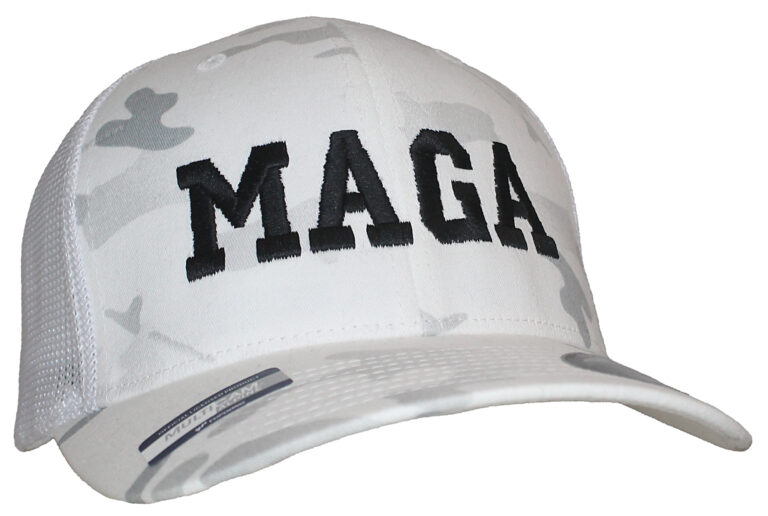
Donald Trump rose to power on this very strategy, wrapping exclusion and fear in the language of freedom, religion, patriotism, exceptionalism, and protection. The ploy worked because it made opposition look like opposition to America itself. This tactic didn’t end with his presidency; it continues to evolve and influence political discourse post-2024.
If we don’t confront this tactic, fundamental rights will be drained of their meaning, reduced to slogans for whatever cause needs a shield. If we do confront it, we protect their integrity — and with it, the possibility of a democracy built on trust, honesty, and genuine consent.
About The Author