
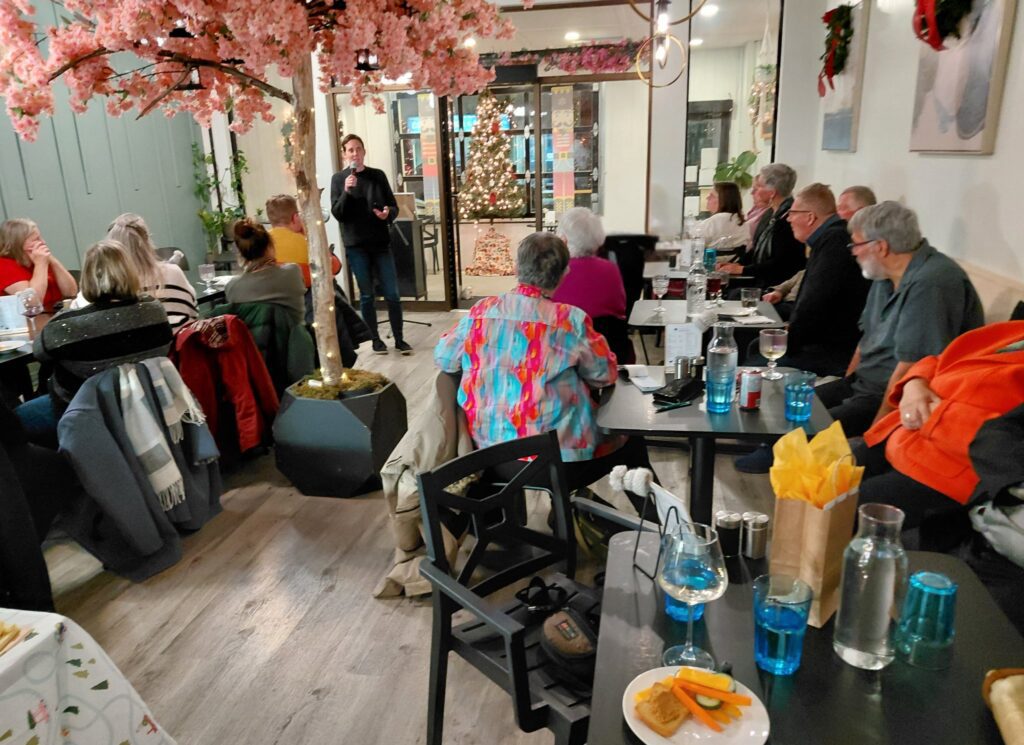
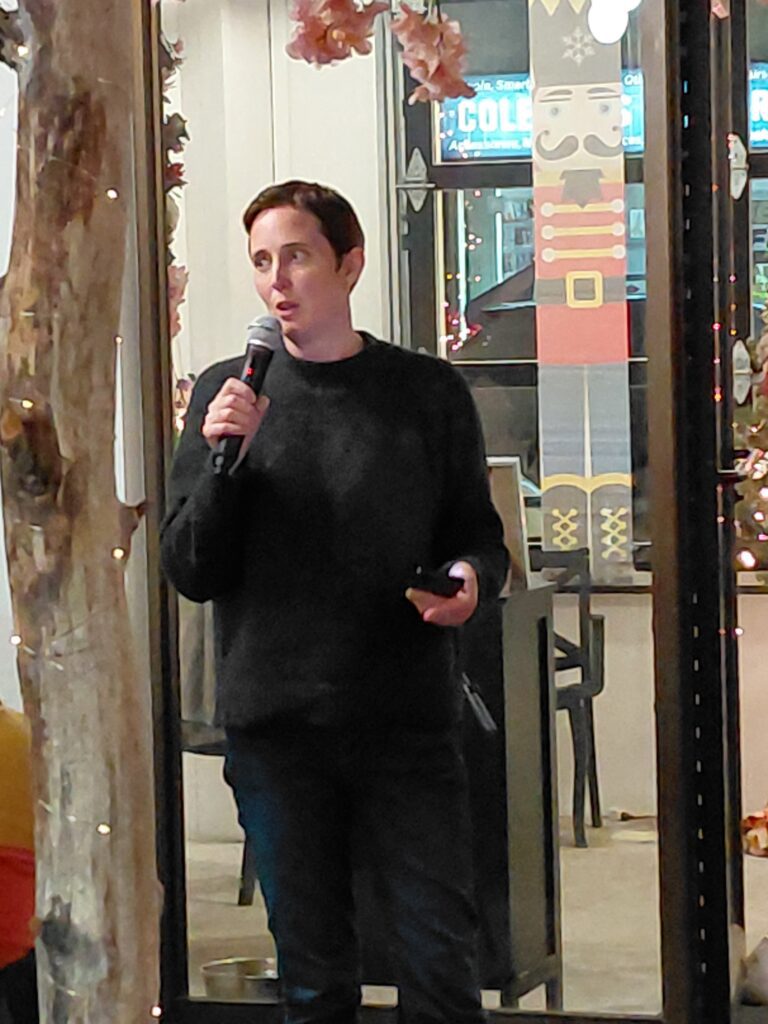
Ottawa West–Nepean MPP Chandra Pasma spoke in Cornwall this week at an SDSG NDP fundraiser, delivering a blunt assessment of Ontario’s direction under the Ford government.
And while her remarks were addressed to a Cornwall audience, the issues she raised — education cuts, health-care privatization, the affordability crisis, and democratic erosion — directly affect Ottawa residents as well.
Pasma drew clear parallels between the challenges facing Eastern Ontario and those hitting the National Capital Region, warning that the same policies impacting Cornwall communities are also reshaping life in Ottawa.
Chandra Pasma on Education: Local Control at Risk Across Ontario
Speaking about Bill 33, Pasma warned that the legislation affects every school board in the province, urban and rural alike.
According to Pasma, the bill “allows the government… to take control over all the decisions of a local school board,” including staffing, program delivery, resource allocation, and school transportation.
She said these powers are shifting “from the hands of the community to unelected, appointed supervisors,” some of whom “have run for the Conservatives, who have donated to the Conservatives, or who have worked for the Conservatives — but who have no qualifications in education.”
“These supervisors,” she added, “are being paid $350,000 a year” while supports for students continue to shrink.
“This is an attack on our kids and on our local communities,” she said.
For Ottawa families — especially in fast-growing suburbs like Barrhaven, Riverside South, Orléans, and Stittsville — decisions on school building, program locations, and special-education resources all depend on local input. Pasma warned that Bill 33 undermines that input everywhere.
Health Care: Ottawa Not Immune to Service Gaps
Pasma told the Cornwall audience that the crisis in primary care is province-wide. She said Ottawa is now caught in what she called a “Hunger Games situation,” with communities competing against each other to attract family doctors.
She also raised concerns that hospitals across Ontario, including major centres like Ottawa, could face a “hospital version of Bill 33.”
“What the government is doing is funding private health care,” she said, emphasizing that public money flowing to private clinics diverts staff from already strained hospitals.
Affordability: A Shared Crisis from Cornwall to Ottawa
Affordability, Pasma told the room, is the issue she hears about most frequently.
Whether she is knocking on doors in “low-income neighbourhoods, wealthier communities, or mixed areas,” people raise the same worries: groceries, rent, utilities, and the fear their children will never own a home.
She argued that Bill 60 — passed just days earlier — worsens conditions for renters by weakening protections and making eviction easier.
“None of this builds a single affordable unit,” she said.
With housing starts at their “lowest point since the 1950s,” Pasma said both Cornwall and Ottawa are experiencing the consequences.
Democratic Process: Concerns for All Ontario Residents
Pasma criticized the pace at which legislation is being pushed through Queen’s Park “without real debate” and without committee hearings that allow public input.
She shared a story from a Cornwall teacher who told her he no longer contacts his local MPP because “Nolan’s mind is made up and he does not listen to his constituents.”
Pasma noted that this frustration is echoed across many Ottawa neighbourhoods, where residents feel increasingly unheard.
Solutions Pasma Says Could Be Implemented Now
Pasma outlined several policy directions she argues could improve conditions across Ontario, including:
- strengthening public education and special-education supports
- cracking down on grocery price-gouging
- expanding co-op, non-profit, and social housing
- cutting physician paperwork to free up capacity for “up to two million more patients per year”
- investing in team-based primary care
“These are all policies we could already have in place if we had a government willing to implement them,” she told attendees.
Questions From the Room: PR, Environment, Youth Engagement
In the Q&A, Pasma reaffirmed her support for proportional representation, calling mixed-member proportional the best model for Ontario and noting it has long been NDP policy.
On environmental protections, she criticized Bill 5 for weakening species-at-risk rules and warned about “special economic zones” that allow cabinet to exempt entire regions from environmental laws.
She also discussed how the NDP can better engage young people facing precarious work and constant right-wing messaging. Effective communication, she said, must be clear and relatable:
“Many of us love policy… but people feel like they need a master’s degree just to follow us,” she said, adding that John Vanthof encourages caucus to use “Canadian Tire language.”
“Face-to-face conversations matter. Human to human,” she said.
Federal NDP Leadership: Why Pasma Backed Heather McPherson
Pasma also explained her endorsement of Senator Heather McPherson in the federal NDP leadership race, saying the previous election was “catastrophic” and that McPherson brings the organizing and communication skills needed to rebuild.
She described a ninety-minute meeting in which “only two of those minutes were about policy,” with the rest focused on practical strategy.
“That’s the kind of leadership we need nationally,” Pasma said.
Cornwall Event, Eastern Ontario Impact
Though the event was held in Cornwall, Pasma emphasized that the challenges she outlined play out across Eastern Ontario, including the capital region.
The evening closed with a presentation of a handmade Akwesasne beadwork gift to Pasma and a reminder that this was the first step in a three-year effort to strengthen NDP capacity locally.
For Ottawa readers, the message was unmistakable: what happens in Cornwall, Kingston, and small rural communities across the St. Lawrence corridor is deeply connected to what happens in Ottawa’s schools, hospitals, housing market, and democratic institutions.
About The Author