
If you are asking, "Is the ByWard Market safe?" you are asking an important question, but the answer is not a simple yes or no. The neighbourhood has layers. While it faces real, visible challenges tied to crime and complex social issues, there is also tangible progress being made that often gets lost in the public conversation.
The experience on the ground is a mix of persistent concerns and positive steps forward, shaping daily life for everyone who works, lives, or visits here.
A Realistic Look at ByWard Market Safety
Talk to any Ottawan about the ByWard Market, and you will get a story. It is the city's vibrant, historic heart, a hub for food, culture, and nightlife. But like any major urban centre, it is also at the intersection of complex issues like homelessness, addiction, and mental health crises. Acknowledging that reality is the first step to understanding the full picture.
Recent trends suggest targeted efforts are having an effect. The Ottawa Police Service, for instance, has been focusing its resources with measurable results. Between July 2024 and June 2025, police laid 37 robbery charges in the Market. That is a significant 30 percent decrease from the 53 charges laid in the year prior. That drop is not just a number; it points to focused policing strategies yielding real results.
Of course, safety is about more than just statistics. It is about how people feel. The visibility of social challenges and public safety notices, like a recent warning about a high-risk offender now living in the Rideau-Vanier area, shapes community perception as much as crime rates do.
Before diving into specifics, here is a quick look at the current situation.
ByWard Market Safety at a Glance
This table breaks down key safety indicators, offering a quick overview of what is happening in the ByWard Market right now.
| Safety Indicator | Recent Trend | Key Context |
|---|---|---|
| Violent Crime (Robberies) | Decreasing | A 30% drop in robbery charges year-over-year points to successful targeted policing. |
| Police Presence | Increasing | A new neighbourhood operations centre aims for quicker response times and proactive deterrence. |
| Community Perception | Mixed | While official statistics show improvement, visible social issues continue to shape public concern. |
| Nightlife-Related Incidents | Stable but Concentrated | As a nightlife hub, incidents related to alcohol and crowds are more frequent during late-night hours. |
This table shows a neighbourhood in transition. While serious issues remain, the data reveals that dedicated efforts from law enforcement and community partners are moving the needle in the right direction.
Key Factors Shaping the Discussion
To truly understand the situation, one must look at the different forces at play. Several key elements shape the ongoing safety dialogue in the Market:
- Increased Police Presence: The new police neighbourhood operations centre is designed to place officers right where they are needed most, cutting down response times and actively deterring crime.
- Social Service Concentration: The Market is close to essential shelters and support services. This means it naturally becomes a gathering place for vulnerable populations, which can influence how safe the area feels to the public, even when no crime is being committed.
- Nightlife Economy: It is one of Ottawa’s top destinations for a night out. With that comes the energy of bars, restaurants, and large crowds, but also an increase in incidents tied to alcohol, especially late at night.
The challenge is to create an environment that feels safe and welcoming for everyone without erasing the authentic, sometimes gritty character that makes the ByWard Market a cornerstone of Ottawa's identity.
Breaking Down The Crime Statistics
To get a handle on safety in the ByWard Market, we need to look past the headlines and into the actual numbers. Official data cuts through the noise, showing what challenges the community faces and where new strategies are working. The picture is not simple; some types of crime are improving while others remain persistent problems.
When you look at the data, you see a complex story. While some of the more serious, high-profile crimes have seen a welcome drop, issues like property theft tell a different story. This complexity is typical for busy urban centres, where a mix of social and economic factors are always at play.
This chart offers a quick look at the recent trend in robberies, comparing the last two years of data.
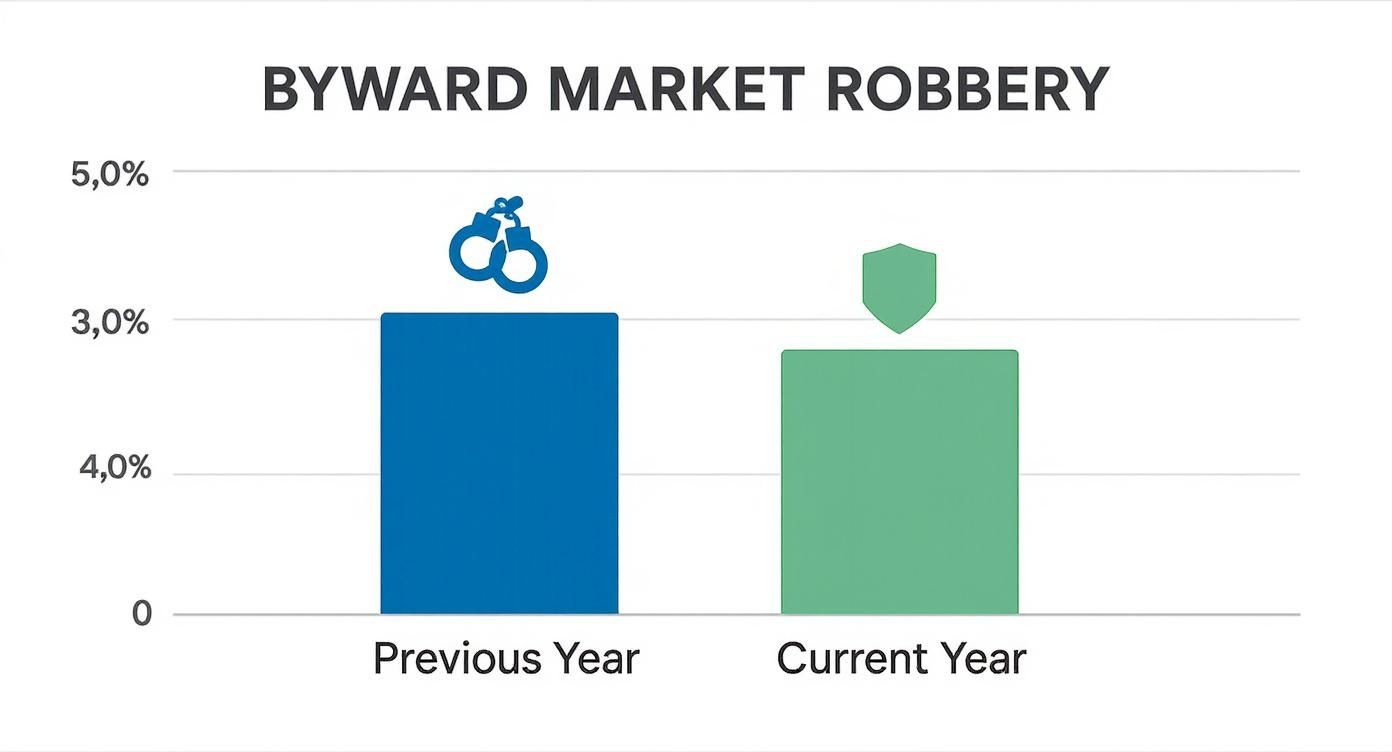
As you can see, there is a clear positive trend here. The drop in reported robberies is a direct result of focused effort by local police, and it is a significant win for the neighbourhood.
A Tale of Two Crime Trends
The best news from recent statistics is the decrease in violent crime. As mentioned, robbery charges are down significantly, thanks in large part to a more visible police presence and targeted operations. That is a huge step forward, as robberies can deeply affect a community's sense of security.
However, the numbers for property-related crimes paint a much more complicated picture. Incidents of theft, for example, have not followed the same downward path. This contrast highlights that a one-size-fits-all approach to policing is not sufficient.
The challenge in a busy, mixed-use area like the ByWard Market is that different types of crime require different solutions. A visible police presence might deter a robbery, but it may have less effect on opportunistic theft, which requires a broader set of prevention strategies.
This distinction is key. While personal safety from a violent encounter is improving, staying vigilant about belongings remains as important as ever for everyone in the Market.
Understanding Property Crime Statistics
Offences like theft from cars, shoplifting, and bicycle theft continue to be a nagging issue. These are often crimes of opportunity, driven by complex social issues that are tougher to tackle. They are the kinds of crimes that affect the daily lives of people, from a stolen bike ruining a commute to the frustration of a smashed car window.
Official reports back this up. Between July 2024 and June 2025, there were 519 cases of theft under $5,000 reported in the ByWard Market alone. That figure marks a 7.2 percent increase over the previous 12-month period, highlighting the work that still needs to be done. You can read more about these city-wide trends in the Ottawa Police Service's 2024 annual report.
This data is precisely why the conversation around ByWard Market safety has so many layers. Progress in one area does not mean the job is done. Tackling property crime demands a multi-pronged approach that goes beyond policing to include community-led prevention programs and stronger collaboration among local businesses.
Understanding The Root Causes of Safety Issues
To truly get a handle on safety in the ByWard Market, you have to look past the headlines. The problems on the surface, like crime and disturbances, are often symptoms of larger, more complicated challenges that converge in a place like the Market. This is not about making excuses; it is about getting the diagnosis right to find solutions that stick.
At its core, the Market's struggles reflect some of the toughest issues facing Ottawa. A big piece of the puzzle is the high concentration of social services, like shelters and support centres, located in and around the downtown core. These services are vital, but their clustering naturally makes the Market a central point for vulnerable people dealing with homelessness, addiction, and mental health crises.
The Human Element Behind The Statistics
When we talk about root causes, we are talking about real people facing incredible personal battles. Issues like addiction or untreated mental health conditions can lead to desperate acts and unpredictable behaviour. That sometimes spills over into the property crimes or public disturbances that make visitors and residents feel unsafe.
Policing alone cannot fix this. A visible police presence is essential for responding to incidents and deterring crime, but it does not address why someone is sleeping on the street or in the throes of an addiction crisis. A real strategy needs an "alternative response for mental health calls," as Mayor Mark Sutcliffe has pointed out, to connect people with care, not just the criminal justice system. For a deeper look at this city-wide challenge, you can learn more about the realities of homelessness in Ottawa in our guide.
A Confluence of Factors
The Market's very nature also plays a huge role. As Ottawa's main nightlife and entertainment district, it is packed with bars and restaurants. That environment inevitably comes with a rise in alcohol-fuelled incidents, especially late at night. The safety plan needed for a Friday night is completely different from the one needed on a Tuesday afternoon.
Understanding the ByWard Market's safety profile means recognizing it is not one single issue, but several different challenges layered on top of each other. The factors driving daytime panhandling are different from those behind late-night disturbances or opportunistic theft.
Here is a quick breakdown of how these key factors intersect:
- Concentration of Social Services: Vital support systems are clustered downtown, drawing vulnerable populations with complex needs into one central area.
- Vibrant Nightlife Economy: The density of bars and late-night spots creates specific safety challenges tied to intoxication and large, energetic crowds.
- Tourism Hub: Being a top tourist destination makes the Market an attractive target for opportunistic crimes like pickpocketing and theft.
Tackling these root causes demands a team effort. It is not just about policing; it is about properly funding social housing, mental health programs, and addiction treatment. The recent joint funding agreement between the city and the province, earmarking money for shelters and mental health support alongside an increased police presence, shows a growing understanding that a safer ByWard Market depends on creating a healthier, more supported community for everyone.
Practical Safety Tips for Visitors and Residents
Knowing the statistics is one thing, but feeling confident and safe while you are actually in the ByWard Market is what matters. Whether you are visiting for an afternoon, living in a nearby condo, or running a local shop, a few smart habits can make all the difference.
Think of these tips as proactive awareness, not a reason to be fearful. By taking simple, common-sense steps, we can all help make Ottawa’s historic heart a safer and more welcoming place for everyone.
Advice for Visitors
Your time in the Market should be about the great food, unique shops, and lively atmosphere. A bit of situational awareness ensures that is what you will remember.
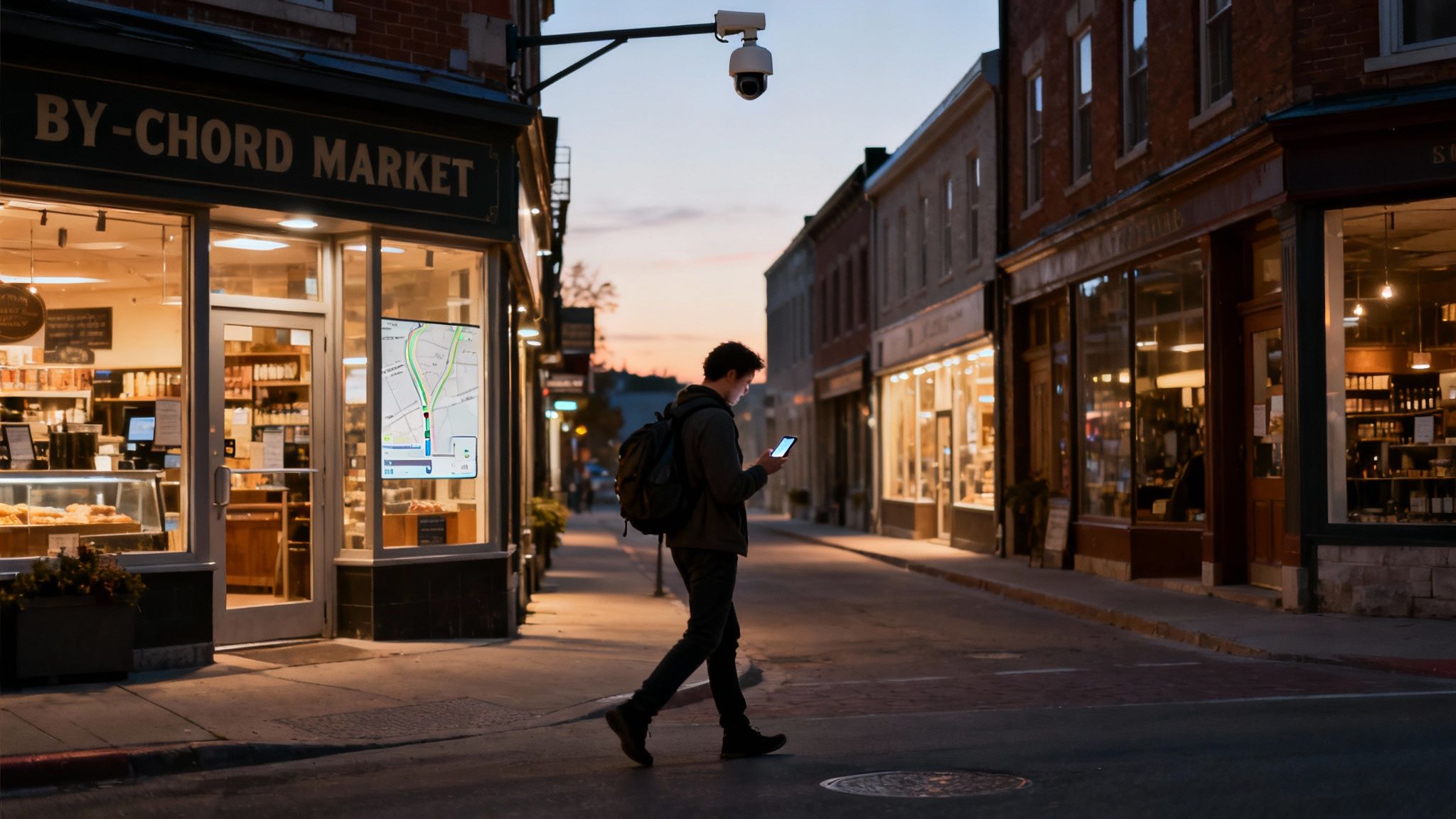
- Stay Aware of Your Surroundings: This is the golden rule for any busy urban area. Keep your head up, be mindful of who is around you, and try not to get lost in your phone, particularly in crowded spots.
- Secure Your Valuables: Keep your wallet, phone, and other important items tucked away in a zipped bag or a front-facing pocket. Opportunistic theft is often a crime of convenience.
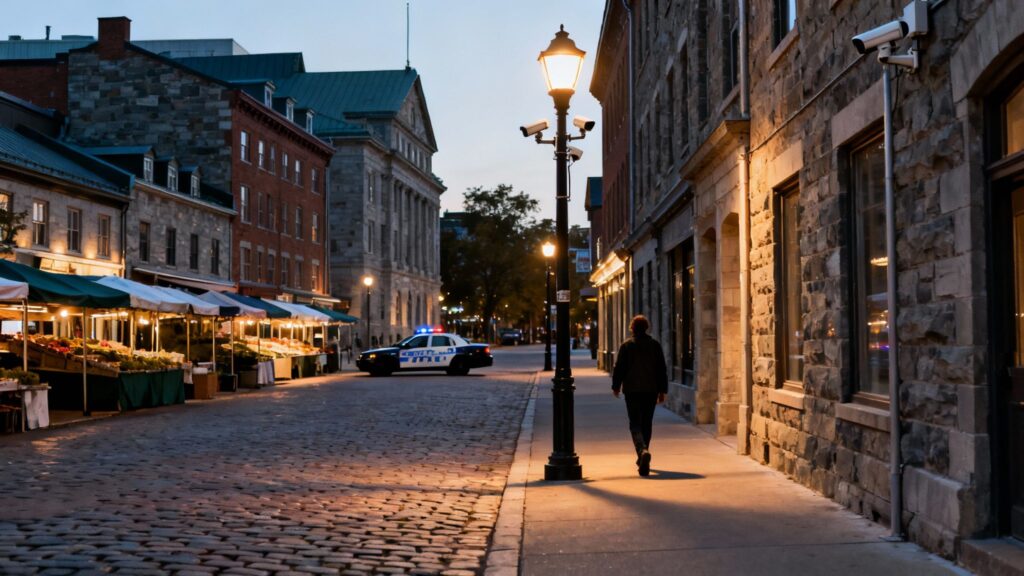
- Plan Your Night: If you are out enjoying the Market’s nightlife, stick to the main, well-lit streets like York, Clarence, and George. Plan how you are getting home ahead of time, whether it is a pre-booked rideshare, transit, or a designated driver. Avoid walking alone on quieter side streets late at night.
Tips for Local Residents
Living in or near the Market makes you part of its fabric. Your everyday actions and engagement play a huge role in shaping the neighbourhood's safety.
A connected community is a safer community. Knowing your neighbours, discussing local concerns, and getting involved in neighbourhood groups are powerful safety tools.
Here are a few steps you can take:
- Secure Your Home: Ensure your doors and windows have solid, reliable locks. If you are on the ground floor, consider extra measures like an alarm system. Good lighting around entrances is also a major deterrent.
- Report Suspicious Activity: If you see something that does not seem right, report it. The Ottawa Police non-emergency number is 613-236-1222. Use it for ongoing issues or behaviour that seems out of place. Every report provides data that helps police direct their resources.
Best Practices for Business Owners
As a business owner, you are on the front lines of the ByWard Market experience. Creating a safe and welcoming space for your staff and customers is essential for your success and the health of the entire district.
Key strategies to consider:
- Invest in Good Lighting: A brightly lit storefront and surrounding area can make a world of difference in deterring crime.
- Train Your Staff: Equip your employees with de-escalation training so they can handle difficult situations calmly and safely. Ensure everyone knows emergency protocols.
- Collaborate with Others: Team up with the local Business Improvement Area (BIA) and neighbouring businesses on shared security initiatives. Presenting a united front is far more effective.
No single group can tackle these challenges alone. The table below outlines how different community members can contribute to a safer Market.
Safety Strategies for the ByWard Market
| Strategy | Recommended For | How It Helps |
|---|---|---|
| Situational Awareness | Visitors | Reduces the risk of opportunistic crimes by staying alert and avoiding distractions in busy areas. |
| Secure Valuables | Visitors & Residents | Prevents easy targets for pickpocketing and theft by keeping items in zipped bags or front pockets. |
| Neighbourhood Watch | Residents | Creates a network of eyes and ears, fostering communication and quick reporting of suspicious activities. |
| Report Non-Emergencies | Residents & Business Owners | Provides police with valuable data to identify crime patterns and allocate resources more effectively. |
| Enhanced Lighting | Business Owners & Residents | Deters criminal activity around properties and makes public spaces feel safer after dark. |
| Staff De-escalation Training | Business Owners | Empowers employees to manage difficult situations safely, protecting both staff and customers. |
| Community Collaboration | All Groups | Builds a united front for advocating for city resources and implementing shared security measures. |
By working together and adopting these practical measures, everyone can play an active role. This collective effort is what truly builds a resilient, safe, and vibrant community.
How To Access Community and City Resources
Knowing who to call or where to turn for help is a huge part of feeling safe. Thankfully, a solid network of official and community-run resources is ready to support everyone who lives, works, and visits the ByWard Market.
Getting familiar with these services empowers you to play an active role in your own safety and contribute to the community's well-being.
The first point of contact for many is the Ottawa Police Service. While 911 is always reserved for active emergencies, the non-emergency line at 613-236-1222 is just as critical. It is the right number for reporting things that do not pose an immediate threat, like a theft that already happened or ongoing suspicious activity.
Official City and Police Contacts
Navigating official channels can sometimes feel daunting, but these contacts are your most direct line to formal reporting and law enforcement.
- Ottawa Police Service Neighbourhood Operations Centre: This centre, located in the Market, boosts police visibility and allows for quicker responses to local incidents.
- Non-Emergency Reporting: Keep 613-236-1222 handy. Using it provides police with valuable data to track patterns and assign resources effectively.
- Online Crime Reporting: For things like theft under $5,000 or minor property damage, the Ottawa Police online reporting tool is the most efficient option.
A huge part of improving ByWard Market safety comes down to proactive engagement. When you report concerns, you provide the data that city officials and police need to spot problem areas and build targeted solutions. Your report is a single piece of a much bigger puzzle.
Community-Led Initiatives and Support
Beyond official channels, grassroots organizations are doing essential work that strengthens the community from the inside out. These groups often focus on prevention, outreach, and providing direct help to vulnerable people, tackling many of the root causes of safety issues.
Initiatives like neighbourhood watch programs encourage residents to look out for one another. At the same time, outreach services play a vital role by connecting individuals struggling with homelessness, addiction, or mental health crises to the professional care they need.
There are also youth-focused organizations providing safe spaces for young people to raise concerns, such as the work being done by the Community Youth Unit which creates a safe place to come forward.
When these community efforts work with city resources, they create a layered and much more responsive safety net. It is a powerful reminder that public safety is not just a job for law enforcement; it is a shared effort.
Building a Safer Future Together
Improving safety in the ByWard Market is not a one-person job. It is a shared responsibility that rests on city officials, police, social service agencies, local businesses, and every resident. Progress is being made, but the work is far from over.
Real, lasting change means tackling both the immediate problems and the complex, deep-rooted causes behind them. While having more police on the streets is part of the solution, it must be balanced with strong, accessible support for mental health, addiction services, and real housing solutions.
You can already see this more collaborative approach taking shape. The recent joint funding agreement between the city and the province signals a growing understanding that enforcement and empathy must go hand-in-hand. This is where the community's voice and involvement become crucial.
A Call for Continued Dialogue
Keeping this momentum going depends on active civic engagement. It means residents and business owners must stay informed, speak up at community meetings, and support local initiatives. It also means holding our leaders accountable for delivering on their promises for a safer, more inclusive downtown.
A safe and vibrant ByWard Market is more than a tourist destination; it is a direct reflection of Ottawa's identity. Its health tells a story about our city’s ability to care for its most vulnerable people, support its local economy, and create public spaces where everyone feels they belong.
Ultimately, building a safer future together starts with recognizing that we all have a shared stake in the Market’s success.
Your Questions Answered
Heading into any busy urban neighbourhood brings up questions, and the ByWard Market is no different. Let's tackle some of the most common queries about safety in the area.
Is the ByWard Market safe at night?
The atmosphere in the Market changes after dark. Main streets like Sussex Drive, George Street, and Clarence Street tend to stay busy and well-lit, especially on weekend evenings. That said, it is always smart to be more cautious on quieter side streets late at night. The best plan is to stick with friends and plan your transportation home before you head out.
What is being done to improve safety?
Several groups are actively working to make the Market safer. The Ottawa Police Service has a Neighbourhood Operations Centre in the Market, which means more police presence and quicker response times. Beyond policing, the city is also working with social service agencies on outreach programs. The local Business Improvement Area is also funding projects for better lighting and cleaner streets.
How do I report a non-emergency concern?
If you encounter a safety issue that is not an immediate emergency, you have a couple of options. For things like a minor theft that has already happened or ongoing suspicious activity, you can call the Ottawa Police Service's non-emergency line at 613-236-1222. For many non-violent crimes, you can also file a report on the Ottawa Police website. This helps keep 911 lines free for urgent situations.
Are there specific areas I should avoid?
Rather than blacklisting specific streets, a better strategy is to stick to well-lit, bustling main roads where there are plenty of other people around, especially late at night. Your best safety tool is your own awareness. Trusting your gut and paying attention to your surroundings is key, no matter where you are in the ByWard Market.
About The Author