
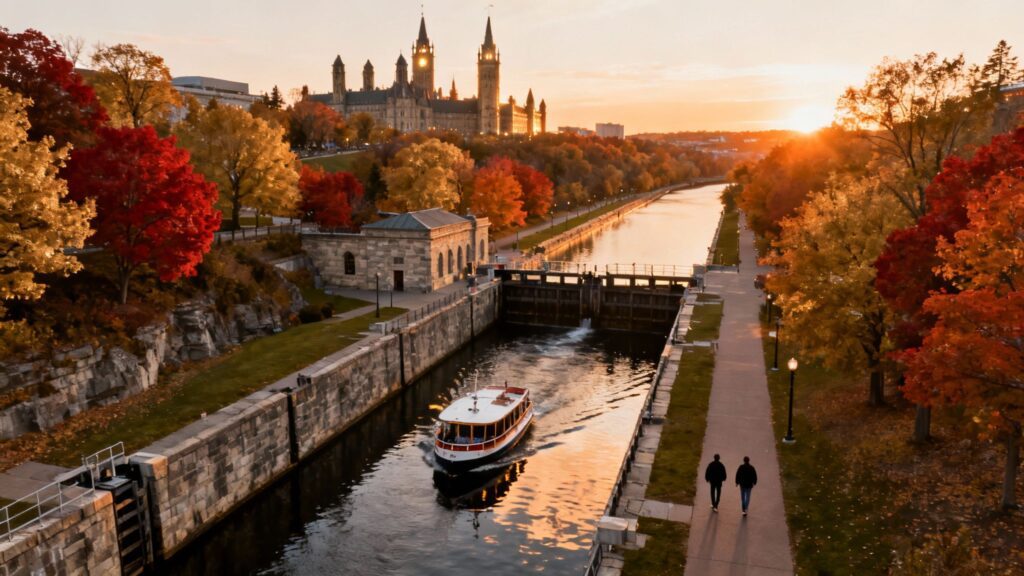
The Rideau Canal is more than just water in Ottawa; it's the city's heart. This 202-kilometre historic waterway transforms with the seasons. In winter, it becomes the world's largest skating rink. In summer, it’s a scenic corridor for boaters and paddlers. This guide covers what the canal offers and why it's a core part of the Ottawa experience.
Discovering a Historic Waterway
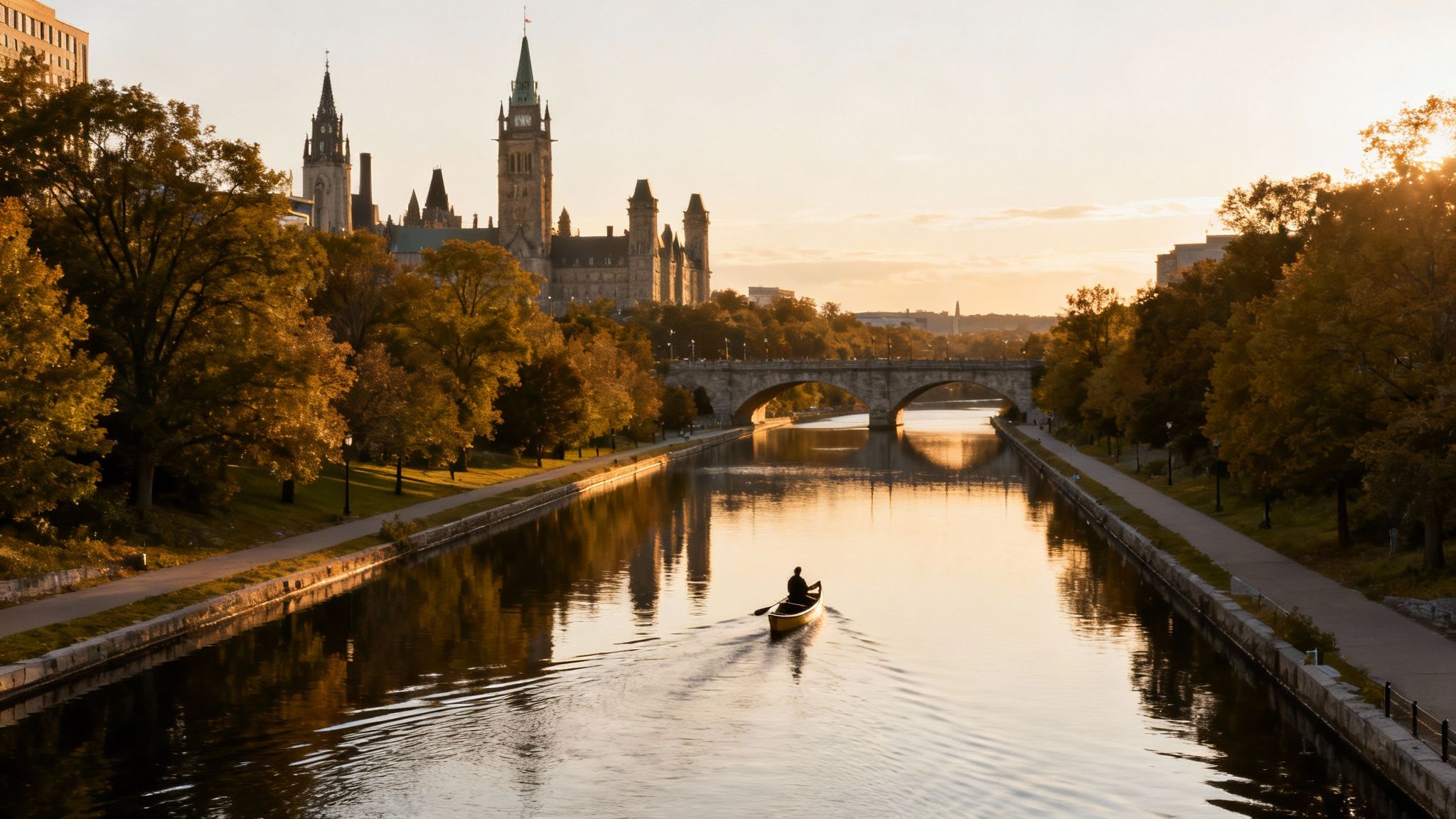
The Rideau Canal is a living piece of Canadian history and a defining feature of life in the National Capital Region. As a designated UNESCO World Heritage Site, it tells a story of ambition, military strategy, and incredible 19th-century engineering. It serves both as a functional waterway and a vibrant, year-round playground for locals and visitors.
The canal's story began after the War of 1812. A secure, inland supply route between Montreal and the Great Lakes was needed to defend Upper Canada. The result was one of the most ambitious construction projects of its time. Stretching 202 kilometres from Ottawa to Kingston Harbour, the Rideau Canal was a stunning feat of engineering, built in just six years between 1826 and 1832 under Lieutenant-Colonel John By.
From Military Route to Community Hub
Though built for defence, the canal never saw military action. It quickly became a vital commercial artery for moving goods and people long before railways dominated the landscape. While that commercial role eventually faded, the waterway found a new purpose.
Today, its legacy is part of the daily lives of Ottawans. The canal connects communities, provides a backdrop for festivals, and offers space for recreation all year. History feels present here, whether you are watching a lockmaster hand-crank a gate open or skating past Parliament Hill on a cold winter night.
The canal is fundamentally woven into the city's fabric. It’s not a monument you simply observe; it's a dynamic public space that you experience. This duality is what makes it so central to Ottawa's character.
What Makes the Rideau Canal Unique
The Rideau Canal's importance comes down to a few key things:
- Continuous Operation: It’s the oldest continuously operated canal system in North America. Many of its original structures are still in use today.
- Seasonal Transformation: The shift from a bustling waterway in summer to the world-famous Skateway in winter gives it a unique dual personality.
- Urban Integration: The Rideau flows right through the heart of Ottawa, making it an accessible part of the urban experience.
Its route offers a fantastic tour of the region's geography, winding from urban Ottawa through serene rural landscapes. As a central landmark, the canal is a perfect starting point for exploring the many other sights to see in Ottawa.
From Icy Skateway to Summer Paradise
One of the most remarkable things about the Rideau Canal is how completely it changes with the seasons. It's like the city has two different, equally iconic landmarks in one. In winter, it is a vibrant, frozen playground. In summer, it becomes a peaceful, green waterway offering a different way to experience Ottawa’s core.
The Winter Skateway Experience
Once the cold settles in, the Rideau Canal becomes the world’s largest naturally frozen skating rink. Known as the Rideau Canal Skateway, this sheet of ice winds 7.8 kilometres through downtown Ottawa, from near the Rideau Centre to Dow’s Lake.
It opens only once the ice is a solid 30 centimetres thick, a safety measure managed by the National Capital Commission (NCC). When ready, it becomes the heart of winter life in the capital, drawing an estimated one million skaters each year. It is a community highway where people skate to work, meet friends, and embrace the season. You can read more about its global reputation on sites like Britannica.com.
The Skateway season depends entirely on Mother Nature, usually starting in January and ending by early March. The NCC team works to maintain the ice, and their daily updates are essential for anyone planning a visit. Checking their official website for the ice condition report is a must before you go.
Getting on the ice is easy with amenities along the way. You will find heated change rooms, washrooms, and universal access ramps at key points. Skate and sleigh rentals are available at spots near the National Arts Centre and at Dow's Lake.
And you have not really skated the canal until you stop for a classic Canadian treat. Grabbing a hot chocolate and a fresh, warm BeaverTail pastry is a rite of passage.
The Skateway offers a perspective of the city you simply cannot get any other way. Gliding past landmarks like Parliament Hill and the Glebe neighbourhood provides a unique connection to Ottawa's landscape and its resilient spirit in winter.
Summer on the Waterway
When the ice melts, the canal prepares for its summer navigation season. This typically runs from the Victoria Day long weekend in May to Thanksgiving in October. The waterway reopens to boats, kayaks, canoes, and paddleboards, revealing a tranquil, green corridor through the city.
The whole vibe shifts. The energetic buzz of skaters gives way to the gentle hum of boats moving through the historic lock system. You will see paddlers exploring the urban scenery as the canal’s shorelines burst with greenery. It is the perfect backdrop for an afternoon on the water.
This transformation brings the canal back to its original purpose as a navigable route. While it’s mostly used for recreation, boating is very popular. You can plan a multi-day trip or just rent a kayak for an hour from a spot like the Dow's Lake Pavilion. Our guide on Ottawa canal ice skating dives into the winter fun, but summer on the water has its own magic.
To help you decide when to visit, here is a quick look at what each season offers.
Rideau Canal Seasonal Activity Guide
| Feature | Winter (Skateway) | Summer (Waterway) |
|---|---|---|
| Main Activity | Ice Skating, Sleigh Rides | Boating, Kayaking, Canoeing |
| Typical Season | January – Early March | Mid-May – Mid-October |
| Pace & Vibe | Energetic, bustling, social | Relaxed, scenic, leisurely |
| Key Attraction | World's largest skating rink | Historic lock system in operation |
| Must-Have Treat | BeaverTails & hot chocolate | Picnic by the water |
| Access | Free access for skating | Fees for lockage/mooring |
This annual shift from a frozen highway to a calm waterway is a defining part of Ottawa's rhythm. It is a constant reminder of the canal's adaptability and its place at the heart of the city.
How the Historic Lock System Works
A trip down the Rideau Canal is like travelling through time. The waterway is managed by 47 masonry locks across 24 lockstations. Many are still cranked open by hand, just as they were in the 1800s. This dedication to preserving the original engineering makes a journey along the canal special.
The science behind it is a simple solution to a big challenge: getting boats up and down hills. Each lock is a kind of water-filled elevator. When a boat needs to go up, it enters the lock chamber, the lower gates close, and water from the higher canal level is let in. The boat rises with the water until it is level with the next section.
To go down, it is the opposite. A boat enters the full lock chamber, the upper gates are sealed, and water is slowly drained until the boat lowers to the level of the waterway ahead. It is a slow, deliberate process that is fascinating to watch.
The Mechanics of 19th-Century Engineering
What makes the Rideau Canal’s locks feel alive is the human touch. Parks Canada staff, known as lockmasters, operate the system using original hand-cranked mechanisms. They turn massive "crabs" (winches) to haul the heavy wooden gates open and closed and to control the water flow.
This hands-on approach has been maintained for nearly 200 years, turning the canal into a living museum. The operation is a choreographed dance between lock staff and boaters, a mix of ropes, cranks, and water that has not changed much since 1832.
Watching the lockmasters at work is a core part of the canal experience. Their expertise and the sheer physicality of the process connect you directly to the waterway's incredible history. It’s not automated or hidden; it’s right there for everyone to see.
This flowchart gives you a simple snapshot of the canal's two main personalities throughout the year.
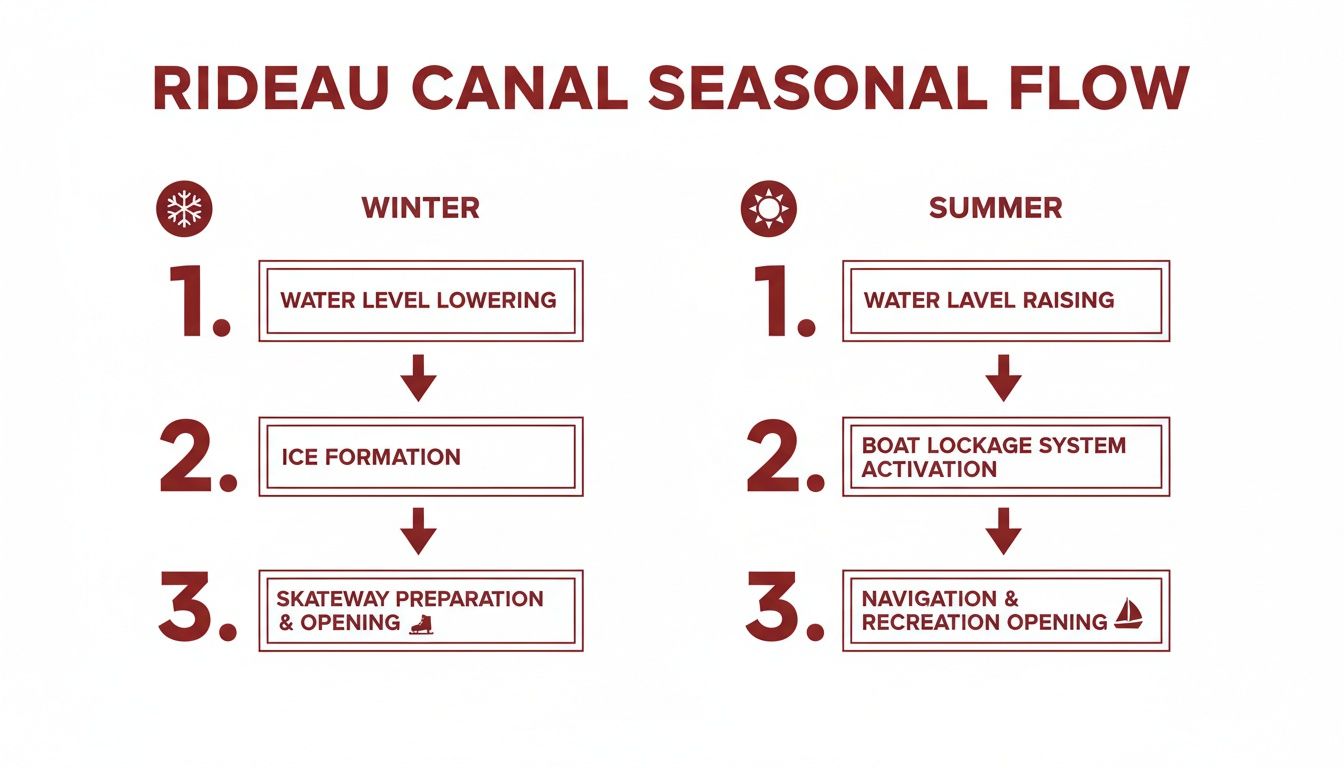
As you can see, the canal transforms from a frozen public park in winter to a functional waterway in summer, each with its own activities and rules.
Ottawa's Iconic Eight Locks
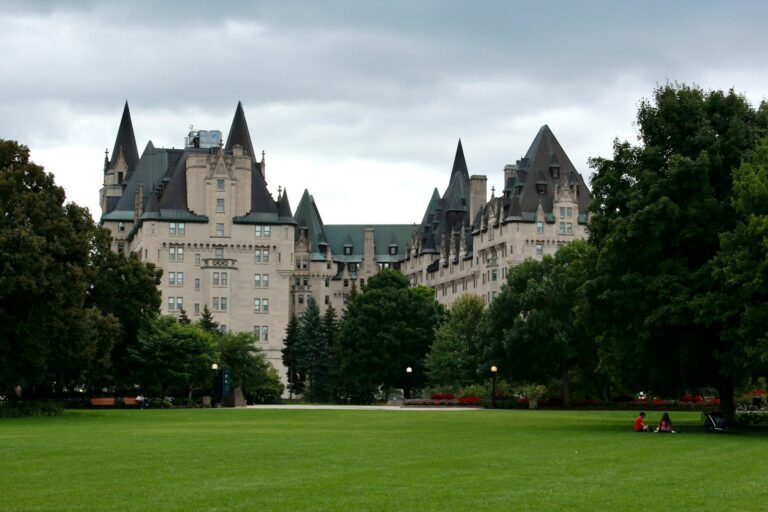
In the heart of downtown Ottawa, between Parliament Hill and the Fairmont Château Laurier, you will find the canal’s most dramatic feature: the Ottawa Locks. This is a set of eight locks stacked together in a flight, acting like a staircase for boats. They lift vessels 24 metres (79 feet) from the Ottawa River up to the canal’s downtown level.
It is one of the best places for spectators. The pathways alongside the locks give you a perfect view of the operation, and you can often watch several boats making their way through at once. For anyone walking or cycling, these paths offer a beautiful route connecting downtown to the rest of the canal system.
A Practical Guide for Boaters and Spectators
If you plan to navigate the canal, you will need a lockage permit from Parks Canada. You can get one for a single pass, a day, or the whole season. Check the Parks Canada website for the latest fees and hours, which usually run from late May to early October.
Going through a lock for the first time can feel a little daunting, but the staff are fantastic at guiding you. Here are a few tips:
- Approach Slowly: Hang back until the lockmaster signals you to enter the lock chamber.
- Follow Instructions: The staff will direct you where to position your boat and hand you lines to hold.
- Hold On Loosely: As the water level changes, you will need to adjust your lines to keep the boat stable. Crucially, do not tie your lines to the wall. Just loop them and hold on.
- Be Patient: This is not a race. The process takes time, so relax and enjoy the experience.
For those watching from shore, the best spots are usually the busiest lockstations. The Ottawa Locks, Hartwells Locks (near Carleton University), or the impressive locks at Jones Falls further south offer a front-row seat to the mechanics and teamwork that keep this waterway running. To learn more about the canal's history, its Wikipedia page is a great resource.
Exploring Neighbourhoods Along the Canal
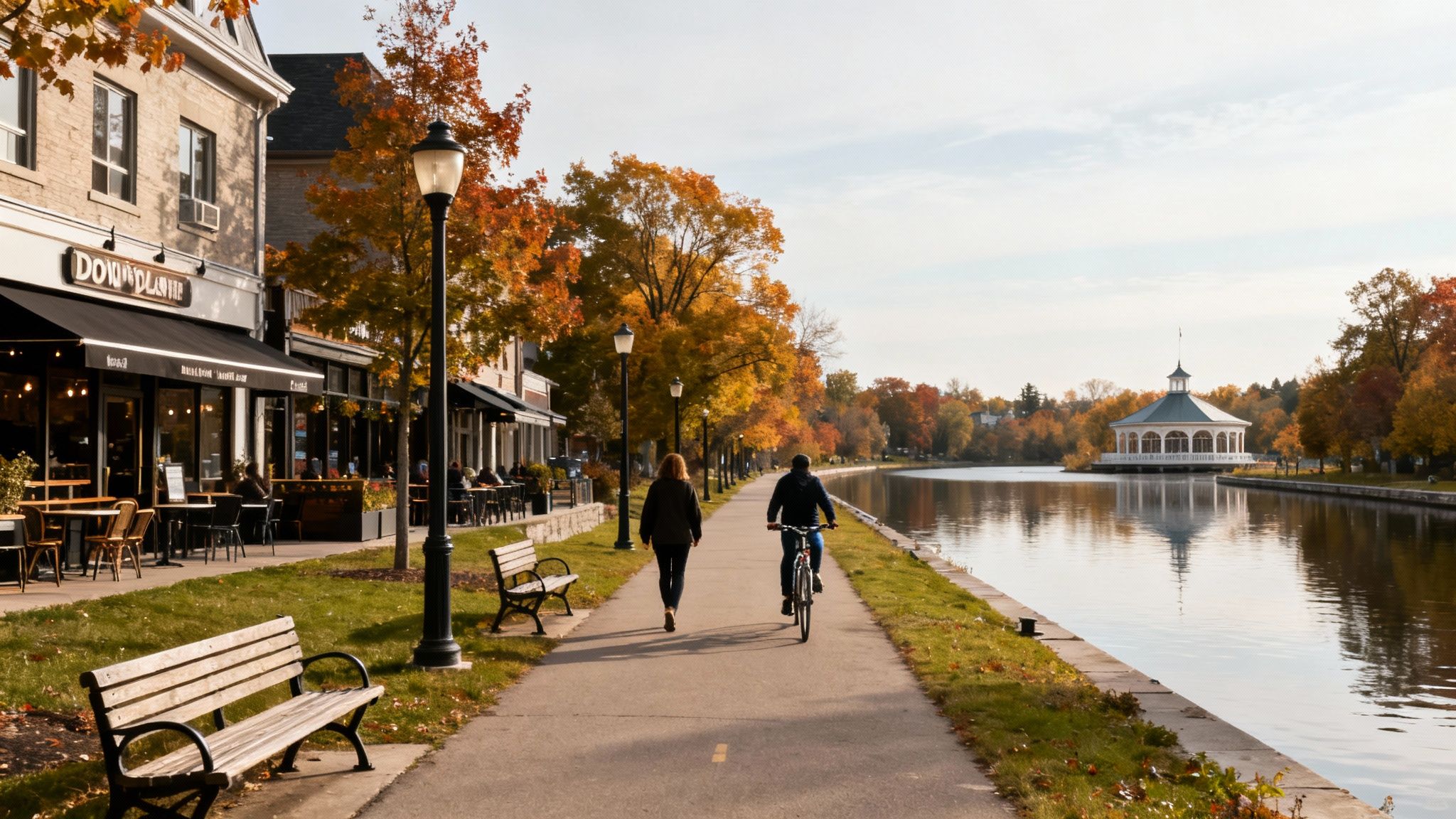
The Rideau Canal is Ottawa's social and cultural artery. It ties together some of our most vibrant neighbourhoods and gives you a real feel for the capital's personality. To understand how deeply the canal is woven into daily life, just explore the communities along its banks.
Your journey starts downtown, where the canal descends through eight locks to the Ottawa River. Here, you are at the city's epicentre, a short walk from Parliament Hill, the National Arts Centre, and the ByWard Market. This spot is the canal’s urban gateway, where historic engineering meets the political and cultural heart of the nation.
The Glebe and Old Ottawa South
Follow the canal south from downtown, and the city's buzz softens into the community vibe of the Glebe. The neighbourhood's pulse is Bank Street, which runs parallel to the canal and is packed with indie shops, cafes, and restaurants.
Here, the canal is part of life. Residents jog the paths at all hours, and Lansdowne Park, right on the water, is a hub for sports, concerts, and the Ottawa Farmers' Market.
Cross the Bank Street Bridge further south and you will find Old Ottawa South. It is a charming, residential area with a relaxed, village-like atmosphere. Here, too, life revolves around the water, with locals having instant access to the pathways.
What makes these central neighbourhoods so special is their direct relationship with the Rideau Canal. It's not just a view; it's their backyard, their gym, and their main route for a weekend stroll.
This proximity creates a unique lifestyle where you can step out your front door and be on a historic waterway in minutes.
Dow's Lake and the Central Experimental Farm
Further along, the narrow canal opens into the wide expanse of Dow's Lake. The Dow's Lake Pavilion is a year-round destination and a major hub for seasonal activities.
- Summer Fun: In warmer months, you can rent canoes, kayaks, and paddleboats. The restaurants here have patios with some of the best waterside views in the city.
- Winter Hub: In winter, this area is a key access point for the Skateway, with skate rentals and services. It is also a focal point during the Winterlude festival.
Next to Dow's Lake is the Central Experimental Farm, a large green space that feels like countryside in the middle of the city. Its peaceful gardens and pathways connect seamlessly with the canal’s route.
Mooney's Bay and Beyond
Keep heading south, and the canal will lead you to Mooney's Bay Park, home to one of Ottawa's most popular public beaches. In summer, this area is buzzing with activity like swimming, picnics, and events like the Ottawa Dragon Boat Festival. It shows another side of the canal’s personality, shifting from an urban corridor to a wide, recreational lake.
Each neighbourhood along the Rideau Canal gives you a different lens to see the city. From the political landmarks downtown to the local shops in the Glebe and the shores of Mooney's Bay, the canal is the thread that links them all. Take a step off the main path to grab a coffee or wander through a local market to find Ottawa's true character. For a taste of local flavour, check our guide to the historic ByWard Fruit Market, a perfect place to start a canal-side adventure.
Ottawa's Four-Season Celebration Spot
The Rideau Canal is not just a landmark; it is Ottawa’s grand outdoor stage. This is where the city comes together to celebrate, connect, and mark the seasons with festivals woven into our local identity. From winter to summer, the canal provides the backdrop for some of the capital's most treasured community events.
This historic waterway is a natural gathering place. Its shorelines and frozen surface transform to host everything from international competitions to local parties. It's a huge part of what makes living in Ottawa unique, shaping the rhythm of the city's cultural calendar.
Winterlude: A Frozen Festival
When the temperature drops, the Rideau Canal Skateway becomes the heart of Winterlude, Ottawa's annual celebration of winter. For three weekends every February, the Skateway is more than just a place to skate. It turns into a bustling festival ground, drawing crowds from across Canada and around the globe.
Here you will find ice carving competitions, with artists transforming blocks of ice into intricate sculptures. The whole place buzzes with live music, interactive displays, and the aroma of BeaverTails and hot chocolate. Winterlude shows that Ottawans do not just endure the cold, we embrace it, turning the frozen canal into the city’s liveliest party.
Spring Blooms with the Tulip Festival
As the ice melts, the canal’s banks undergo a stunning transformation. They burst into colour for the Canadian Tulip Festival, a world-famous event celebrating Ottawa’s friendship with the Netherlands. This legacy stems from the Second World War, when the Dutch royal family gifted tulips to Canada in gratitude.
Today, over one million tulips bloom across the city, and the areas around the Rideau Canal are some of the most spectacular viewing spots.
- Commissioners Park: Beside Dow's Lake, this park features the festival's most impressive display, with over 300,000 tulips in breathtaking garden beds.
- Canal-side Pathways: Walking or cycling along the canal paths in May offers endless views of colourful tulips planted along the route.
The festival turns the canal into a vibrant garden, drawing photographers, families, and anyone looking to enjoy the beauty of the season. It is a powerful symbol of renewal and friendship, with the Rideau Canal at its centre.
The canal’s ability to host such different major events like Winterlude and the Tulip Festival highlights its incredible versatility. It seamlessly shifts from a frozen playground of ice and snow to a lush, floral corridor in just a few short months.
Summer Celebrations on the Water
Once summer arrives, the focus shifts back to the water. The canal becomes a prime location for events that celebrate the season's energy. At Mooney's Bay, the Ottawa Dragon Boat Festival takes over, filling the water with teams paddling in fierce competition. It has grown into the largest dragon boat festival in North America, blending sport with a free concert series.
And, of course, there is Canada Day. While main festivities happen on Parliament Hill, the Rideau Canal is one of the best spots in the city to watch the fireworks display. Thousands of people line the banks and bridges, creating a magical atmosphere as colours explode over the water.
Practical Tips for Your Canal Visit
Whether you are planning a winter skate or a summer paddle, a little preparation can make a big difference. Think of this as your final checklist for a smooth and memorable trip.
Preparing for the Rideau Canal Skateway
Ottawa winters are serious, so dressing properly is the most important thing for an enjoyable skate. Layers are your best friend. Start with a thermal base, add a fleece or wool mid-layer, and top it with a windproof and waterproof outer shell.
Warm socks, waterproof gloves or mittens, a toque, and a scarf are essential. It is almost always colder and windier on the open ice of the canal than on sheltered city streets.
Before you even think about lacing up, your first move should be checking the National Capital Commission (NCC) website. Their daily ice condition report is the official word on which sections of the 7.8 km Skateway are open, closed, or have rough ice.
To avoid the biggest crowds, try skating on a weekday morning or later in the evening. Weekends, especially on a sunny afternoon, are peak times. The Skateway is open 24/7, and a quiet, moonlit skate can be a magical Ottawa experience.
Boating and Paddling Pointers
Planning is just as crucial for a summer trip. The navigation season usually runs from Victoria Day weekend to Thanksgiving, but it is wise to check the official Parks Canada hours for lock operations, as they can change.
Good lock etiquette is key to a stress-free journey. Approach lockstations slowly and wait for the lockmaster to signal you. Always follow their instructions, and remember to hold your mooring lines rather than tying them to the wall. This lets you adjust as the water level changes.
The weather on the water can turn quickly. Check the forecast before heading out, bring sun protection, and pack enough water and snacks.
Getting to the Canal
Since the Rideau Canal cuts through the heart of the city, getting there is straightforward.
- Public Transit: Ottawa’s O-Train is a great choice. The Rideau Station (Line 1) drops you near the downtown locks and the start of the Skateway. For Dow’s Lake, the Carling Station (Line 2) is a short walk away. Several OC Transpo bus routes also have stops near major canal access points.
- Parking: Finding street parking can be a challenge. Your best bet is to look for paid lots near City Hall, the National Arts Centre, or around Lansdowne Park.
- By Foot or Bike: The multi-use pathways alongside the canal are perfect for walking or cycling. You will find numerous access ramps and stairways connecting the paths to surrounding neighbourhoods.
Before you head out, this checklist can help you get ready for a perfect day on the canal.
Essential Visitor Checklist
| Checklist Item | Winter Tip | Summer Tip |
|---|---|---|
| Check Conditions | Visit the NCC website for daily Skateway ice status before leaving home. | Confirm lockage hours and fees on the Parks Canada website. |
| Dress Smart | Wear warm, windproof layers. Frostbite is a real risk. | Bring sunscreen, a hat, and sunglasses. The sun reflecting off the water is intense. |
| Plan Your Route | Know your entry and exit points. Plan for rest stops at the heated huts. | Map out your journey between lockstations and know where you can moor. |
| Stay Safe | Skate in the direction of traffic and be aware of changing ice conditions. | Always wear a life jacket and be mindful of larger boat traffic. |
A little foresight ensures you can focus on enjoying one of Ottawa's most incredible attractions.
Your Rideau Canal Questions Answered
Whether you are visiting for the first time or you are a local who has always been curious, a few questions about the Rideau Canal always seem to come up. Here are some quick, straightforward answers.
Is the Rideau Canal Man-Made?
Yes. While the canal connects a series of natural lakes and rivers, the 202-kilometre route was a massive construction project. All 47 locks and the channels linking the waterways were built between 1826 and 1832 as a secure military supply route. It is an incredible piece of 19th-century engineering that still works today.
Can You Swim in the Canal?
Swimming in the Rideau Canal is generally not permitted, particularly in the busy, narrow sections through downtown Ottawa. The canal is a navigation channel for boats and paddlers in the summer. If you want to cool off, your safest bet is a designated public beach like Mooney's Bay.
Is It Free to Skate on the Rideau Canal Skateway?
Absolutely. Skating on the Rideau Canal Skateway is completely free and open to the public 24/7 once the National Capital Commission (NCC) officially opens the ice. You only need to pay for extras like skate rentals or a BeaverTail from vendors along the ice.
How Deep Is the Canal?
The depth changes along its length. To keep things safe for boaters, Parks Canada maintains the navigation channel at a minimum depth of about 1.5 metres (5 feet). In the wider lake sections that are part of the system, it can get much deeper.
Parks Canada's ongoing maintenance is what keeps this nearly 200-year-old route safe and navigable. Their work ensures thousands of boaters can enjoy this historic waterway every single summer.
How Long Is the Skating Season?
This is entirely up to Mother Nature. The length of the skating season is unpredictable because it depends completely on the weather. Historically, we get anywhere from 35 to 50 days of skating, usually starting in January and ending in late February or early March. In recent years, climate change has made the seasons shorter and more variable.
At NCR Now, we believe understanding our city's landmarks helps us connect with our community. For more local guides and stories that matter to Ottawa, visit us at https://ncrnow.ca.
About The Author