

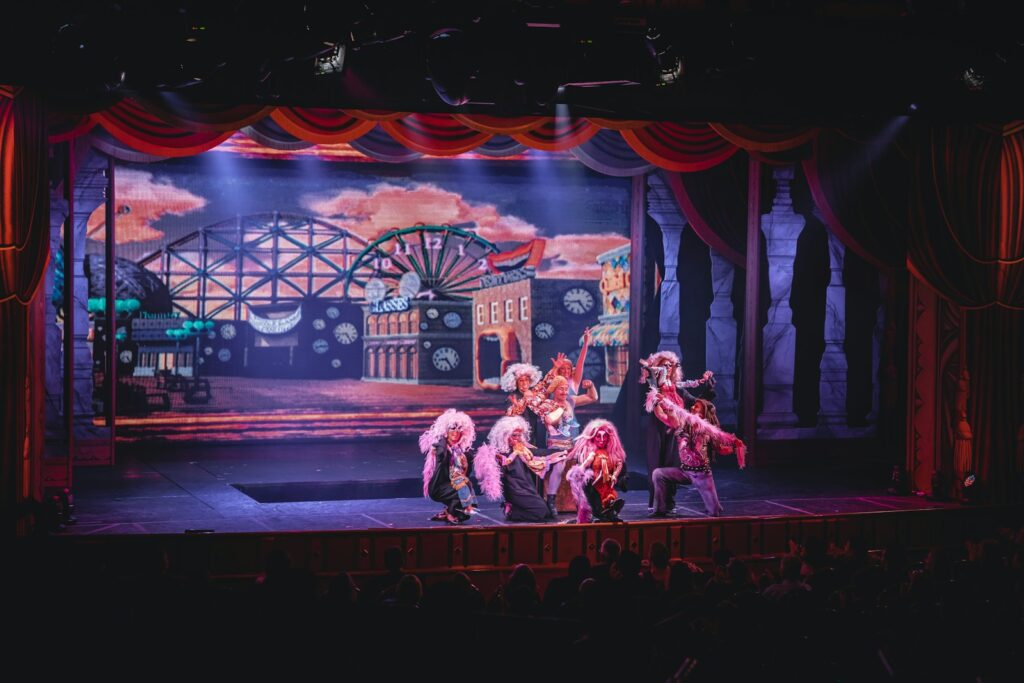
Ottawa theater and performances offer a surprising variety: intimate community plays, experimental dance, large-scale musicals, bilingual productions, and summertime outdoor shows. For people across Ontario curious about how a capital city stages its cultural life, Ottawa provides a clear example of how professional companies, grassroots groups, and civic venues co-exist to create a lively performing arts ecosystem.
What Makes Ottawa’s Live Scene Stand Out?
Ottawa’s performing arts scene blends provincial reach with a local feel. The city hosts touring productions that draw regional audiences, while community theatres, university troupes, and youth companies keep a steady flow of homegrown work. Bilingual programming is also common, so audiences can expect English, French, and sometimes multilingual or surtitled performances. That balance helps the city serve both residents and visitors across the National Capital Region.
Types of Performances to Look For
Professional Theatre
These are typically full-scale productions with unionized casts, professional designers, and larger budgets. Expect polished sets, season subscriptions, and a mix of classics, contemporary plays, and commercial musicals.
Community and Amateur Theatre
Local companies and community groups often stage plays that reflect neighborhood stories, local talent, and hands-on involvement. These productions are great for supporting emerging actors and seeing creative risks that bigger houses might avoid.
Dance, Music, and Multidisciplinary Work
Contemporary dance companies, chamber music performers, and ensembles that combine theatre with visual art or film broaden the menu. These shows often appear in smaller black-box venues or nontraditional spaces like galleries and warehouses.
Fringe, Experimental, and Site-Specific Shows
Smaller festivals and independent artists use the Fringe model to test new ideas. These performances can be raw, inventive, and sometimes interactive—perfect for adventurous audiences.
Family and Youth Productions
Theatre for younger audiences and school-based performances provide accessible, often shorter shows that introduce families to live storytelling.
How to Find Shows and Choose Tickets
Finding the right performance is part research, part instinct. Start by checking venue calendars and subscribing to mailing lists. Local publications and community noticeboards (online and physical) will point to smaller events that larger ticketing sites might miss. Social media follows for venues, artists, and local arts organizations also reveal last-minute additions or special offers.
When buying tickets, compare fees and delivery methods. Student, senior, and group discounts are common. Pay-what-you-can nights, rush tickets, and subscription packages can lower costs and encourage trying new companies. For popular productions, buying early reduces the chance of sold-out performances; for experimental works, last-minute decisions often work fine.
Practical Tips for Attending Performances
- Arrive early: It’s easier to get settled, visit the coat check, and read program notes before the lights go down.
- Plan transport: Many central venues are accessible by public transit, cycling, or a short walk. For suburban venues, check parking options in advance.
- Know the house rules: Some shows request silence, while others invite audience participation. Venue policies on late seating and photography vary.
- Dress smart-casual: Most places are relaxed, but a neat outfit makes an evening feel special.
Accessibility and Languages
Accessibility has become a key consideration for venues across Ontario. Many theatres offer wheelchair seating, assistive listening devices, and sensory-friendly performances that reduce loud noises and bright lights for neurodiverse audiences. Captioning or surtitles can appear for shows performed in another language, making bilingual programming more accessible. Always check venue accessibility pages or contact box offices to confirm accommodations.
Getting Involved Beyond Sitting in the Audience
There are plenty of ways to participate. Volunteering at a community theatre, auditioning for a youth play, or joining a backstage crew are practical ways to get hands-on experience. For those who prefer support, memberships or patron programs help sustain local companies. Educational programs, workshops, and talkbacks—post-show discussions with artists—offer deeper insight into the craft.
Making the Most of a Night Out
A night at the theatre can be a full sensory experience. Pair a performance with dinner at a nearby restaurant, or arrive early to browse a gallery exhibit if the venue shares a cultural complex. Reading the program notes before the show adds context; attending a post-show Q&A turns a fleeting experience into a learning opportunity. For families, look for pre-show activities or shorter run-times to keep younger attention spans happy.
Where Local Coverage Helps
Local guides and explainers make planning simpler. Publications that focus on the National Capital Region, like NCR Now, provide evergreen guides to venues, explain typical ticketing practices, and highlight how regional services support the arts. That kind of local context helps residents and newcomers find performances that match their interests and practical needs.
Conclusion
Ottawa theater and performances cover a wide spectrum, from community-driven shows to high-production touring musicals. Audiences across Ontario can expect bilingual opportunities, diverse formats, and many ways to get involved—whether as ticket-holders, volunteers, or participants. With a little planning—checking venue accessibility, exploring discounts, and reading local guides—attending live performances becomes an easy and rewarding part of city life.
Frequently Asked Questions
What types of theatre are common in Ottawa?
Ottawa hosts professional companies, community and school productions, contemporary dance, music ensembles, fringe and experimental shows, and family-oriented performances. The mix means there’s something for most tastes and age groups.
How can someone find affordable tickets?
Look for student or senior discounts, subscription packages, pay-what-you-can nights, rush tickets, or community box-office deals. Following venue mailing lists and social channels often reveals special offers.
Are performances bilingual or available in French?
Yes. Many venues and companies include French-language productions or offer surtitles and captioning to serve both English and French audiences in the National Capital Region.
What accessibility options are typically available?
Common accommodations include wheelchair seating, assistive listening devices, sensory-friendly performances, and captioning. Contact venues directly to confirm specific services and seating arrangements.
How can a newcomer get involved in local theatre?
Volunteering, attending workshops, auditioning for community productions, or joining crew and tech teams are accessible ways to participate. Local arts organizations often list opportunities on their websites or through community notices.
About The Author