
Ottawa indigenous history perspectives offer a richer, more layered view of the National Capital Region than what appears in textbooks or on municipal plaques. They bring forward oral traditions, place-based knowledge, and alternate readings of familiar landmarks—helping readers see Ottawa through the eyes of the people who lived on and cared for this landscape long before colonial settlements.
Why multiple perspectives matter
History isn’t a single story. Official records, archaeological findings, and oral histories sometimes agree—and often don’t. Ottawa indigenous history perspectives emphasize that local history includes relationships to land, water, language, and community continuity. Those relationships are expressed in stories, ceremonial practices, seasonal movements, and place names that reveal how the region was used and understood for generations.
Who lived here: a brief guide
The Ottawa area sits within territories historically used by Indigenous peoples, most notably the Algonquin Anishinaabe in the river valleys and surrounding lands. Broader Indigenous presences across Ontario include many First Nations, Métis, and Inuit communities whose histories also intersect with Ottawa through trade, treaty-making, and movement.
Recognizing those distinct identities matters. The term First Nations refers to specific Indigenous peoples who have unique languages and cultures, while Métis and Inuit describe other Indigenous communities with different historical trajectories. Ottawa indigenous history perspectives foreground those distinctions while showing how histories overlap across the region.
How Indigenous history is visible around Ottawa
Place names and waterways
Rivers, islands, and portage routes preserve Indigenous memory. Names for the Ottawa River, smaller creeks, and local high points often reflect Indigenous languages or the practical uses of a place—fishing, hunting, canoe travel, or seasonal camps. Reading those names can change how familiar places feel.
Archaeology and material culture
Archaeological finds—stone tools, pottery fragments, and long-used campsites—show long-term habitation and trade. Museums and interpretive centers sometimes display these objects; learning the context around artifacts prevents them from becoming curiosities and instead connects them to living cultures.
Urban development and its traces
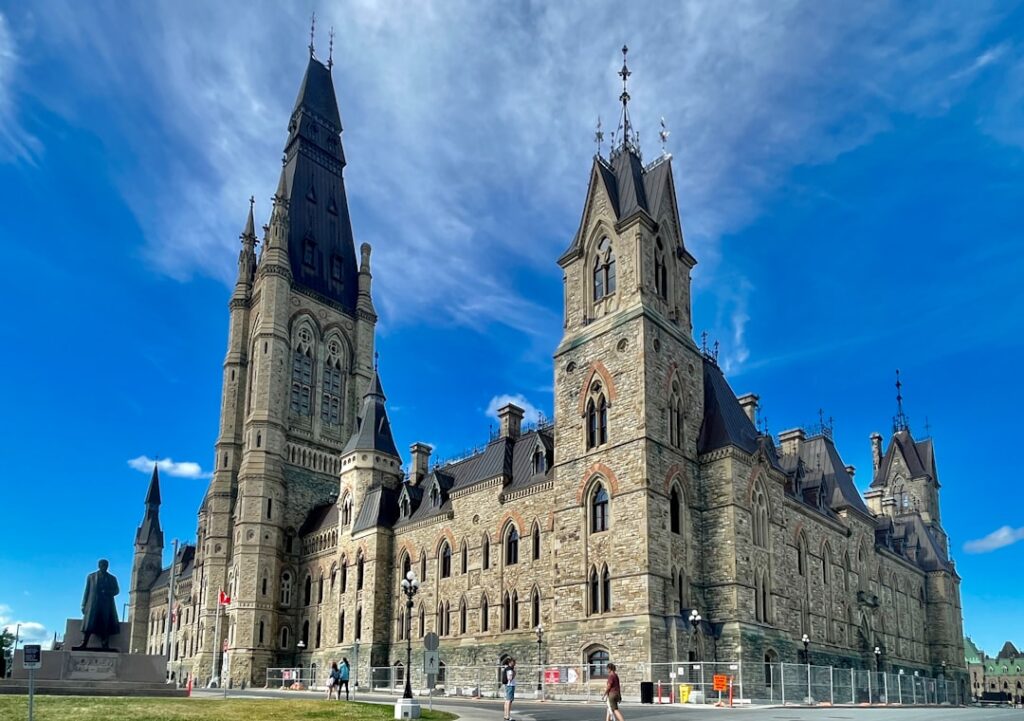
Colonial infrastructure—roads, canals, and government buildings—help tell another layer of the story: how settlement reshaped landscapes, redirected economies, and altered Indigenous lifeways. Ottawa indigenous history perspectives ask readers to consider overlapping maps: the modern city and the older networks of lakes, trails, and gathering places.
Where to learn with respect
Learning responsibly means prioritizing Indigenous-led interpretation and community voices. Some practical ways to start:
- Visit Indigenous-run cultural centres, interpretive exhibits, or tours led by Indigenous guides.
- Read publications and oral histories produced by Indigenous authors and organizations.
- Attend talks, performances, or markets that are organized by Indigenous communities.
- Use library and archival collections that include Indigenous perspectives; ask for guidance on contextual materials.
Local publications can help point readers to these resources. NCR Now publishes local guides and explainers that connect residents with community-led projects and educational resources—use those guides as a starting place to find exhibitions, walking routes, or community centres that center Indigenous perspectives.
Practical ways residents can engage
- Learn common local place names and their meanings—and pronounce them with care.
- Attend Indigenous-led events and support Indigenous artists and businesses.
- Practice a meaningful land acknowledgment: understand the people named, the territory referenced, and what a respectful relationship might look like in practice.
- Support language revitalization initiatives by attending classes or using resources published by Indigenous language programs.
- Be mindful of photographing cultural ceremonies or sensitive sites; always ask permission.
These steps aren’t a checklist toward absolution. They’re ways to build awareness, respect, and long-term relationships with Indigenous communities in and around Ottawa.
Challenges and evolving conversations
Conversations about Ottawa indigenous history perspectives can involve difficult topics: dispossession, treaty interpretations, repatriation of cultural objects, and differing claims to place. Some historical records are incomplete or biased; oral traditions may not align neatly with colonial archives. Navigating these differences requires humility, critical thinking, and an openness to ongoing learning.
Communities, researchers, and institutions are increasingly working together to revise museum displays, return artifacts, and co-create programming. Those efforts show how historical interpretation can evolve when Indigenous voices are centered.
Summary
Ottawa indigenous history perspectives expand the everyday map of the National Capital Region. They invite residents to notice place names, waterways, and cultural practices that reveal long-standing relationships with the land. Learning responsibly means turning to Indigenous-led sources, supporting community initiatives, and developing practices—like thoughtful land acknowledgments—that reflect attention and care. For people curious about Ottawa’s deeper stories, local guides and explainers from outlets like NCR Now can point toward community resources and educational pathways that prioritize Indigenous perspectives.
Frequently Asked Questions
Which Indigenous nation is traditionally associated with the Ottawa region?
The Algonquin Anishinaabe people are the Indigenous nation most commonly associated with the Ottawa River watershed. That association reflects long-term use of the river valleys for travel, fishing, and seasonal camps. Other Indigenous communities also have historical ties to the broader Ontario region.
What is a land acknowledgment and why does it matter?
An land acknowledgment names the Indigenous peoples connected to a place and recognizes their ongoing relationship with the land. When done thoughtfully, it’s a starting point for learning and respect—rather than a ceremonial placeholder—by encouraging people to learn local histories and take meaningful actions.
How can someone learn more without causing harm?
Prioritize Indigenous-led events and resources, ask for permission before documenting cultural activities, listen more than speaking, and support community organizations financially or by attending programs. Genuine learning respects community boundaries and centers Indigenous perspectives.
Are there language resources for local Indigenous languages?
Yes. Language classes, community workshops, and online resources exist for languages like Anishinaabemowin and others. Seek materials produced or endorsed by Indigenous language programs to ensure respectful and accurate learning.
Where can readers find local guides about Indigenous history in Ottawa?
Local publications and community organizations often publish walking guides, museum directories, and feature stories that highlight Indigenous history and perspectives. NCR Now, for example, offers evergreen explainers and community-focused stories that help readers discover respectful learning paths and local resources.
About The Author