
Before we get into the latest headlines, it's worth understanding the biggest challenge facing Canada's passenger rail service. Much of the recent VIA Rail news is really about solving a single, decades-old problem that messes with everything from daily schedules to long-term expansion plans. Getting a grip on this context is key to seeing why the current developments are such a big deal.
The Reality of Canadian Train Travel
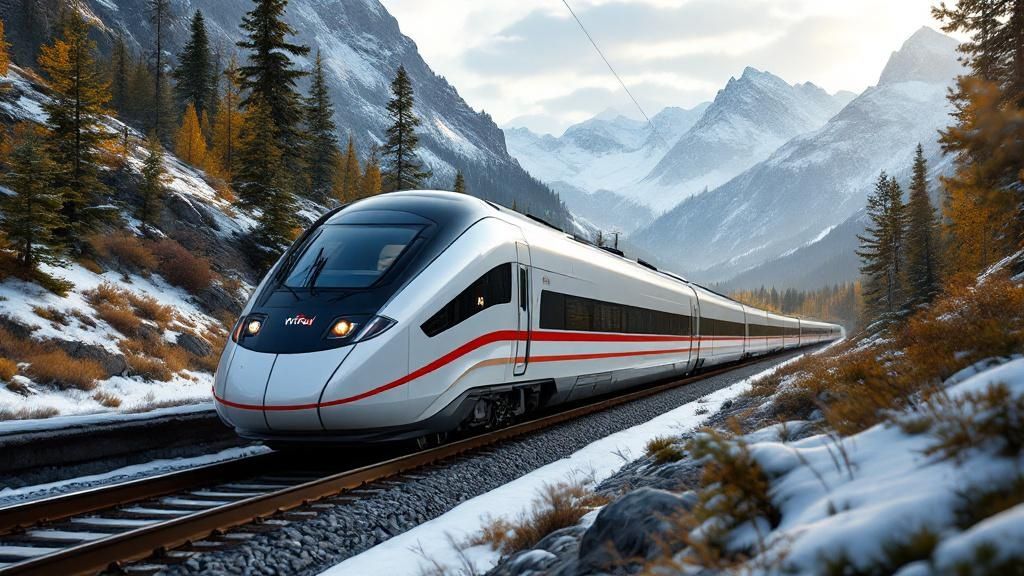
VIA Rail is our national passenger service, linking communities from coast to coast. Its most vital route is the Québec City-Windsor corridor, a busy stretch connecting major hubs like Montréal, Ottawa, and Toronto. For millions of Canadians, this network is the backbone of inter-city travel.
But here’s the rub: VIA Rail faces a persistent hurdle that most passenger rail systems in other countries don't. It doesn’t actually own the majority of the tracks it uses. Instead, it runs its trains on rail lines owned by freight giants like CN and CPKC.
The Problem With Sharing The Tracks
This one fact is the root cause of many frustrations that passengers—and probably you—have experienced, especially when it comes to delays. On these shared lines, freight trains get top priority, which means passenger trains are often forced to pull over onto a siding and wait.
Imagine driving on a highway where transport trucks always have the right-of-way, and your car has to constantly pull over to let them pass. That’s the daily reality for VIA Rail. It’s a constant juggling act, and it’s why on-time performance can be so hit-or-miss.
This isn't a new problem. According to its annual reports, VIA's on-time performance in the corridor hit a high of 83% back in 2009, but has fluctuated since, sliding to 76% in its 2023 report as freight traffic and other factors took a toll. This shows just how much their service is at the mercy of factors outside their control.
The bottom line: The core challenge for VIA Rail isn't its trains or its staff. It's the fact that they don't have control over their own tracks. This fundamental issue of track ownership is the backdrop for almost every piece of VIA Rail news you'll see, from minor schedule tweaks to massive infrastructure projects.
Once you understand this, it’s easier to see the real significance of what’s happening now. Big-ticket projects aimed at building dedicated passenger tracks aren't just small upgrades; they’re about completely changing how passenger rail could work in Canada. We’re talking about a future with more reliable and efficient travel, which has huge implications for the quality of life in Canada.
What's New With VIA Rail Service and Schedules
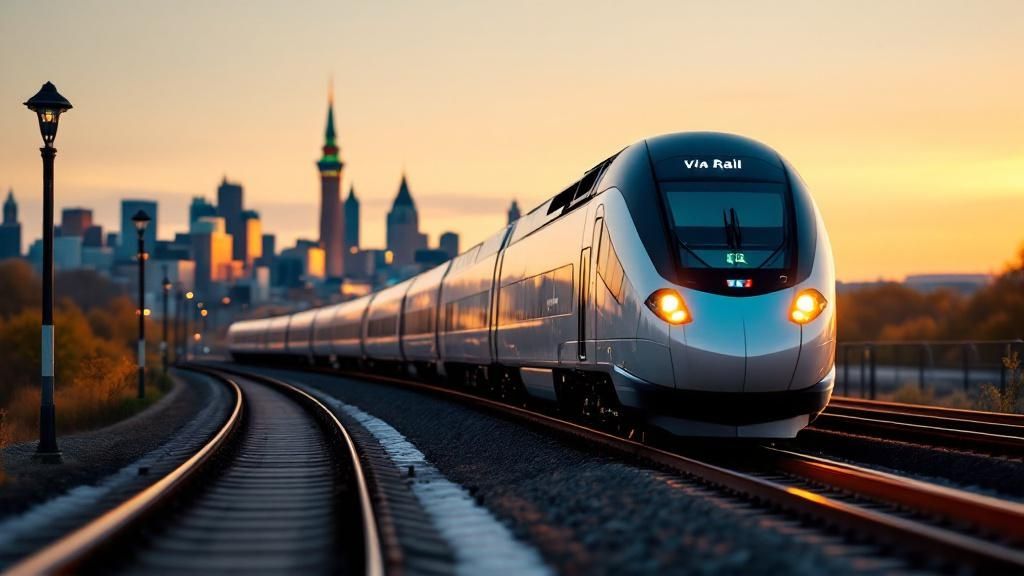
If you’re a regular on the rails in the Ottawa-Toronto-Montréal triangle, you know that staying on top of VIA Rail’s updates is key to a smooth trip. The biggest news for passengers lately has been the rollout of the new Siemens Venture fleet, which is steadily replacing the older trains on these core routes.
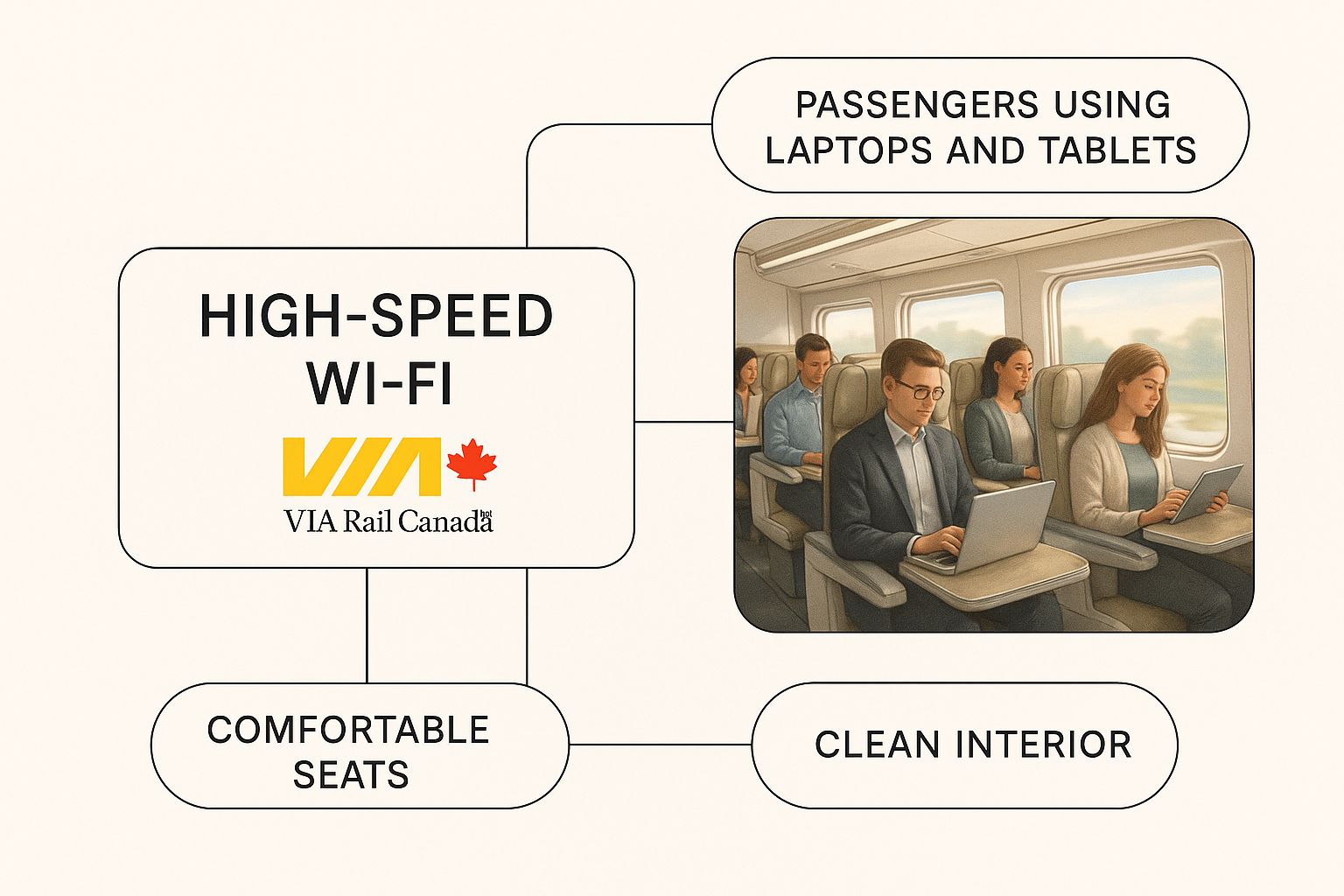
This is more than just a fresh coat of paint. The new cars are a massive upgrade to the whole travel experience. Think more comfortable, ergonomic seats, much larger windows for taking in the view, and a serious improvement in accessibility. We're talking wider aisles and fully accessible washrooms, making the journey better for everyone.
A Modern Travel Experience
The upgrades are about more than just a comfier seat. Here’s what the Venture fleet brings to the table:
- Enhanced Onboard Amenities: Finally, reliable high-speed Wi-Fi and power outlets at every single seat. It’s a standard feature now, whether you're commuting for work or just scrolling on a weekend getaway.
- A Smoother, Quieter Ride: Thanks to modern engineering, these new cars offer a journey that's noticeably less bumpy and a lot quieter, so you can arrive feeling more refreshed.
- Improved Accessibility: The design puts accessibility front and centre, with features that help passengers with mobility challenges get from the platform to their seat with ease.
These aren't just random upgrades; they’re a direct response to what passengers have been asking for and a big part of VIA's push to modernize its busiest lines.
For many of us, the best part is simply the reliability and comfort of the new fleet. Knowing you can count on modern amenities makes a huge difference, whether you're on your daily commute or heading out on vacation.
To give you a clearer picture of just how vital this corridor is, here's a quick look at the numbers from VIA Rail's 2023 Annual Report.
VIA Rail Corridor Financial and Ridership Snapshot (2023)
This table breaks down key figures for VIA Rail's entire network, illustrating the relationship between revenue, costs, and public subsidy. The Québec City-Windsor Corridor accounts for the vast majority of these numbers.
| Metric | Figure |
|---|---|
| Passenger Revenues | $432.8 million |
| Operating Expenses | $485.6 million |
| Government Funding | $355.3 million |
| Total Passengers | 4.8 million |
Source: VIA Rail 2023 Annual Report. Note: Operating expenses and government funding cover all of VIA Rail's services, not just the corridor.
These figures highlight why modernizing the fleet and improving service in this region is such a high priority for VIA Rail. It's the economic engine of their entire network.
Alongside the new trains, VIA Rail is always tweaking schedules to better match demand and, where possible, improve on-time performance. While the big shifts are tied to massive infrastructure projects, it's always smart to check for minor timetable updates before you book. These small changes are all part of the complex puzzle VIA manages every day. Keeping an eye on these details is just as important as following other national news, like the ongoing efforts to avert a potential Canada Post strike.
Ultimately, for anyone travelling in the region today, the introduction of the Venture fleet is the most immediate and positive piece of VIA Rail news affecting your trip.
The High Frequency Rail Project Explained
When people talk about VIA Rail news, the High Frequency Rail (HFR) project is the one that really gets people excited—and for good reason. It’s arguably the most important plan for passenger rail in a generation, designed to tackle the single biggest headache VIA has faced for decades: not owning its own tracks.
But let’s be clear about what HFR is and, just as importantly, what it isn’t.
Despite the name, this isn’t about building a network of European-style bullet trains zipping across the countryside. The focus is on something far more practical and, frankly, more critical for Canadian travellers: creating a service that’s frequent and incredibly reliable. The plan is to build new, dedicated passenger tracks, almost entirely separate from the busy freight lines.
A New Path Forward
The proposed route will link up the major hubs of Toronto, Ottawa, Montréal, and Québec City. Think of it as giving passenger trains their own exclusive highway. That means no more getting stuck behind a three-kilometre-long freight train when you’re trying to get to a meeting in Montréal.
This vision isn't just about getting there faster; it's about making the entire journey better, more comfortable, and more productive.
The core idea is simple but powerful: by separating passenger and freight trains, VIA Rail can finally take control of its own schedule. This would be a game-changer for punctuality, which often takes a hit when VIA has to yield to freight traffic.
Right now, the project is in the procurement phase. The federal government has requested proposals from private-sector consortia to design, build, and run the new service. We're still a few years away from a final timeline, but the wheels are definitely in motion.
Here’s what HFR aims to deliver:
- More Trains, More Often: A big increase in daily trips between the major cities, giving you more flexibility to travel when you want.
- Rock-Solid Reliability: The goal is an on-time performance of over 95%. That's a massive improvement from where things stand today.
- Shorter Trips: While not "high-speed," having dedicated tracks means trains can run at consistently faster speeds, trimming down travel times.
Ultimately, HFR is all about making the train the no-brainer choice for getting between Canada's busiest cities.
What This All Means for the National Capital Region
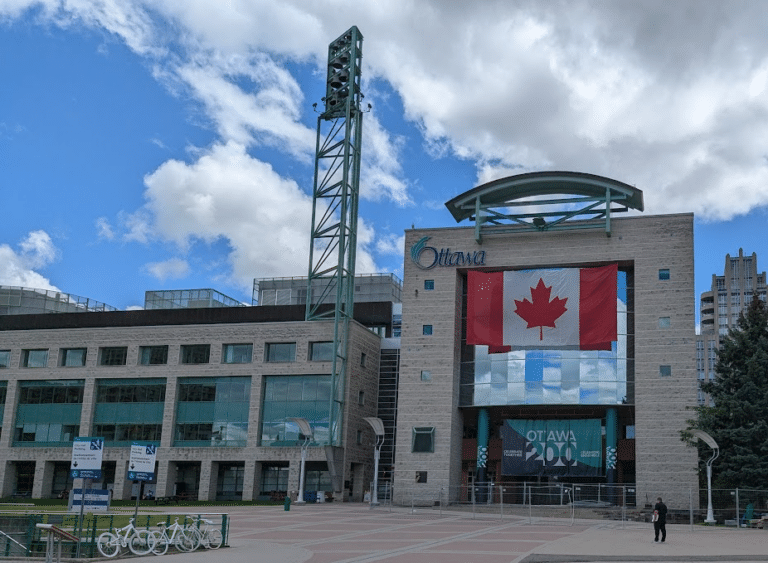
So, what does all this VIA Rail news actually mean for folks in Ottawa and Gatineau? Put simply, it’s about a more connected future. The National Capital Region (NCR) is set to be one of the biggest winners from both the High Frequency Rail (HFR) project and the ongoing service upgrades.
These aren't just minor tweaks; they're set to completely change how we think about travel. Picture a day where catching a train to Montréal for a business meeting or Toronto for a weekend getaway is as second-nature as hopping on a city bus. This kind of frequency makes day trips a real possibility and cuts down our reliance on highway gridlock between Canada’s major hubs.
A Central Hub for Eastern Canada
The HFR plan, in particular, really puts Ottawa on the map. It’s not just about running more trains. It’s about turning Ottawa Station into a genuine nerve centre for a modern Eastern Canadian transit network.
For the region, this shift brings some serious perks:
- An Economic Jolt: Better connections make the NCR a much more appealing spot for businesses to set up shop and for professionals to put down roots. Knowing that major markets are just a reliable train ride away is a huge draw.
- A Boost for Tourism: When rail travel from Toronto and Montréal is dependable and frequent, more tourists will be tempted to explore Ottawa. That’s great news for our local hotels, restaurants, and cultural spots.
- Less Traffic Headaches: By making the train a truly competitive option to driving, these upgrades could finally offer some relief for the notoriously clogged Highway 417 and Highway 401.
When you boil it all down, these big-ticket projects are about more than just convenience. They’re a major step toward weaving the National Capital Region more tightly into the economic and cultural life of the Québec City-Windsor corridor, making it an even better place to live and work.
Understanding the Economics Behind Your Ticket
Ever glanced at your train ticket and wondered what exactly you're paying for? The answer isn't as simple as you might think. VIA Rail’s finances are a huge part of its story, explaining everything from fare prices to why the government steps in with funding. It doesn't run like a private company chasing profits; it’s a Crown corporation with a national mission.
Think of it more like a public service. While your ticket covers a slice of the trip's cost, it doesn't cover the whole pie. Federal funding fills that gap, making sure essential passenger routes stay open even if they don't make money on their own. It’s a model you’ll find with passenger rail systems all over the world.
Balancing The Books in The Corridor
The busy Montréal-Ottawa-Toronto corridor is the perfect real-world example of this economic reality. According to VIA Rail's 2023 Annual Report, the Québec City-Windsor Corridor generated $397.7 million in revenue. Sounds like a lot, right? But the direct operational costs for the corridor were $446.5 million, leaving a shortfall of nearly $49 million before accounting for other corporate expenses. Those numbers really highlight why public investment is so crucial.
This financial setup is the backstory for most of the VIA Rail news you hear about.
The government support isn't just a top-up; it's a foundational part of VIA's existence. This funding allows VIA to serve communities, connect regions, and plan for major upgrades like the HFR project, which wouldn't be possible if it relied solely on ticket sales.
This investment keeps the trains on the tracks, supports local economies, and gives everyone a greener way to travel. It also helps bring tourists to town for the many amazing events happening in Ottawa and other cities along the corridor. At the end of the day, the price of your ticket reflects a much bigger national commitment to keeping Canada connected by rail.
Why VIA Rail's History Still Shapes Today's News
To really get what’s going on with VIA Rail news today, you need to jump back to the 1970s. Back then, passenger rail in Canada was teetering on the edge of extinction. The country’s two railway giants, Canadian National (CN) and Canadian Pacific (CP), were losing interest in the people-moving business, focusing instead on the far more lucrative work of hauling freight.
As routes were cut and services dwindled, the federal government had a choice to make: let passenger rail fade into history or step in and save it. They chose to intervene, recognizing just how vital a national passenger network was for the country.
Two Decisions That Define Today's Challenges
That rescue mission, however, came with a couple of foundational decisions that still ripple through every modern VIA Rail headline. These choices, made decades ago, are the very root of the biggest headaches the service faces today.
First, when the government created VIA, it didn't actually buy the tracks. This seemingly small detail left VIA as a permanent tenant, forced to run its passenger trains on railways owned and controlled by freight companies. As anyone who has waited for a delayed train knows, this is the main reason for the punctuality problems that plague travellers.
The decision to not own the tracks created a fundamental conflict that persists to this day. It's the central problem that ambitious projects like High Frequency Rail are designed to finally solve.
The second critical decision was how VIA Rail was created. VIA Rail Canada was officially established as a Crown corporation on January 12, 1977, taking over passenger services from CN and, later, CP. But because it was formed by an order-in-council rather than through specific legislation, it was built in a way that keeps it from raising money on public markets like other Crown corporations can.
This historical quirk has massive modern consequences. It makes VIA entirely dependent on government funding for everything from daily operations to major capital projects. You can dig deeper into its corporate structure and history to understand this unique setup.
These two issues—lack of track ownership and financial limitations—aren't just historical footnotes. They're the driving force behind the constant cycle of news about funding, reliability, and modernization that defines VIA Rail today.
Your Top VIA Rail Questions, Answered
With so much happening around VIA Rail, it’s natural to have questions. We’ve put together some clear, straightforward answers to the ones we hear most often from travellers in the National Capital Region.
Is High-Frequency Rail the Same as High-Speed Rail?
That's a great question, and the short answer is no. They solve two very different problems.
High-speed rail is all about raw speed—think trains rocketing along specialized tracks at over 250 km/h. The High-Frequency Rail (HFR) project, on the other hand, is focused on reliability and frequency. By building new tracks dedicated only to passenger trains, HFR will untangle VIA from the freight train traffic jams, allowing for more departures and, most importantly, on-time arrivals at conventional speeds.
Why Are VIA Rail Trains So Often Delayed?
If you’ve ever sat on a stopped train wondering what’s going on, the reason is usually track congestion.
Most of VIA Rail's services run on tracks owned by freight companies like CN and CPKC. Since freight trains get priority on these lines, passenger trains often get stuck waiting for them to pass. It’s a major source of delays and something that’s largely out of VIA's direct control.
When Will the New Venture Fleet Be on All Routes?
VIA Rail is rolling out its sleek new Venture fleet in stages, with the top priority being the busy Québec City-Windsor corridor.
You may have already spotted or ridden on these new trains for many key departures, including those between Ottawa and Toronto. However, swapping out the entire fleet across the network is a massive undertaking that will take time. For the most current information on which routes have the new trains, your best bet is to check VIA Rail’s official website.
For more local news and updates on what's happening in Ottawa and the surrounding area, stay connected with ncrnow at https://ncrnow.ca.
About The Author