
Exploring local heritage sites Ottawa reveals the layers of stories that shape everyday life in the National Capital Region. From industrial waterways and grand civic buildings to tucked-away neighbourhoods and Cold War relics, these places make history tangible. This guide explains what those sites are, why they matter, and how residents and visitors can experience them with curiosity and respect.
What Counts as a Heritage Site?
A heritage site can be a building, landscape, structure, or even an archaeological place that has cultural, historic, architectural, or social value. In Ontario, many important places are protected through municipal or provincial processes; terms like heritage designation or conservation plan describe the tools used to recognize and manage them. In Ottawa, heritage ranges from nationally significant landmarks to local streetscapes that matter most to nearby communities.
Why Local Heritage Sites Matter
Heritage sites do more than decorate a city. They:
- Provide a sense of continuity with the past.
- Anchor community identity and memory.
- Offer educational value—schools, families, and lifelong learners benefit.
- Contribute to tourism, placemaking, and sometimes economic regeneration.
Understanding local heritage sites Ottawa helps residents appreciate how infrastructure, architecture, and public spaces evolved and why certain places still feel meaningful.
Key Local Heritage Sites in Ottawa
Below are examples that highlight the variety of heritage in Ottawa. This list mixes well-known landmarks with different kinds of heritage assets.
- Rideau Canal — A working waterway with historic locks and engineering heritage. It’s valued for both its technical achievement and its role in shaping settlement patterns.
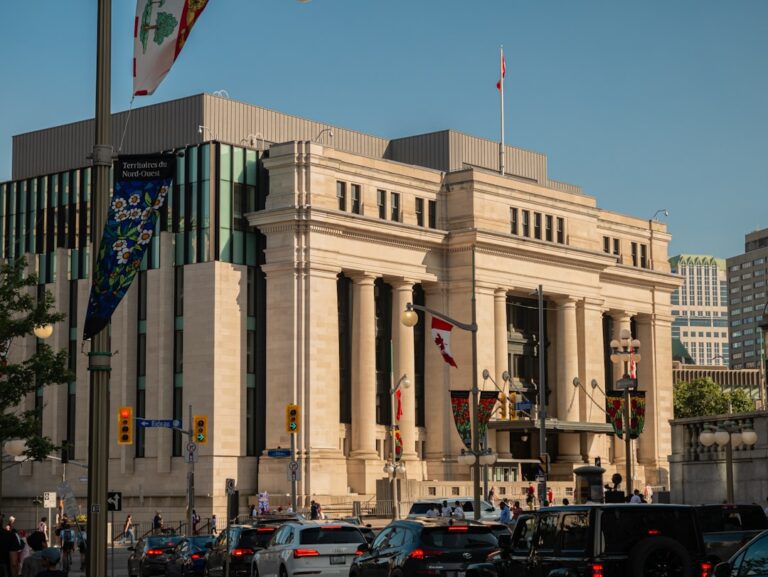
- Parliament Buildings and Surrounding Grounds — Monumental architecture and ceremonial landscape that serve national functions and civic life.
- ByWard Market and Historic Neighbourhoods — Streetscapes and markets where commerce, food culture, and small-scale heritage combine.
- Notre-Dame Cathedral Basilica — A major religious and architectural landmark in the downtown core.
- Diefenbunker (Cold War Museum) — An example of industrial/military heritage with an unusual story and strong interpretive potential.
- Industrial and Railway Sites — Former mills, stations, and warehouse districts that remind visitors of the city’s economic history.
These examples show different scales and types of heritage: engineering works, civic institutions, religious architecture, military facilities, and vernacular neighbourhoods.
How Sites Are Protected and Managed
Heritage protection is typically a mix of legislation, municipal policy, and community action. Designation can limit changes to a building’s exterior or require conservation standards. Other tools include heritage easements, interpretive programming, and listing on heritage registers. Local historical societies and community groups also play a big role in advocacy and storytelling.
How to Explore Local Heritage Sites Ottawa
Discovering heritage is part sightseeing, part slow observation. Practical ways to explore include:
- Take a walking route through a historic neighbourhood—slow down and read plaques, window signs, or interpretive panels.
- Use official heritage registers or municipal heritage inventories to find designated sites and learn why they’re important.
- Join guided tours—heritage organizations and museums often offer focused walks or talks on specific topics.
- Visit interpretive centres or small museums to get deeper context about less visible stories.
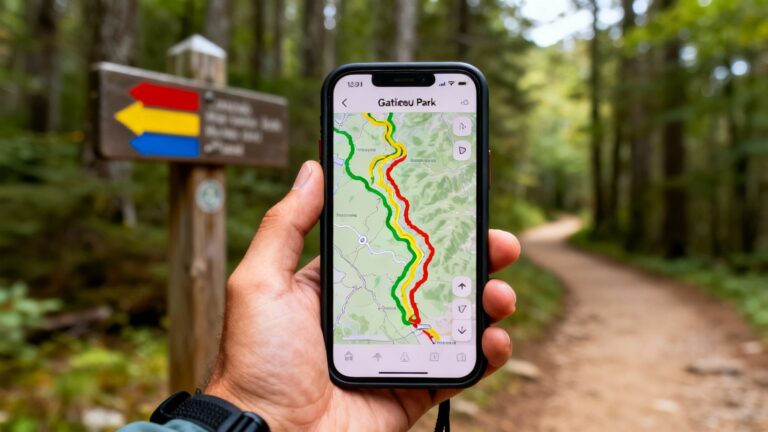
- Look for thematic trails (industrial heritage, architecture, Indigenous history) if available.
Photographing details—like stonework, signage, or old storefronts—helps notice craftsmanship and changes over time. When visiting privately owned sites, respect access rules and property boundaries.
Tips for Respectful Visits
- Observe posted hours and access information.
- Stick to public paths and avoid disturbing fragile materials or landscaping.
- Ask before photographing people or private interiors.
- Support local businesses near heritage areas—cafés and shops often benefit from heritage tourism.
Get Involved: How Residents Can Help
Local heritage sites rely on community care. Residents can help by:
- Attending public consultations on heritage proposals and planning decisions.
- Volunteering with local historical societies or heritage committees.
- Sharing stories and photographs that document neighbourhood history.
- Supporting adaptive reuse projects that give old buildings new life while respecting heritage value.
Participation at the neighbourhood level often has the most immediate impact. Simple acts—like nominating a place for a plaque or helping with a local archive—keep stories alive.
Where to Find More Reliable Information
Research tools that help locate and understand heritage include municipal heritage registers, national historic site listings, and library or archive collections. Independent local outlets, such as NCR Now, publish guides and explainers tailored to the National Capital Region, offering context and practical tips for residents curious about their city’s past.
Frequently Asked Questions
What is the difference between a heritage site and a historic site?
Heritage site is a broad term covering places with cultural, social, or architectural value. Historic site often refers specifically to locations recognized for their historical significance, sometimes with formal designation at the municipal, provincial, or national level.
Can owners alter a heritage building?
Alterations depend on the type of protection in place. Designated properties usually require review or approval for changes that affect heritage attributes. Owners often work with heritage planners to find solutions that balance conservation and reuse.
Are all old buildings considered heritage?
Not necessarily. Age can contribute to heritage value, but significance also depends on associations, design, rarity, or community meaning. Some newer places may be designated for social value, while many older buildings remain undesignated.
How can schools use local heritage sites for learning?
Heritage sites make excellent outdoor classrooms. Schools can organize guided walks, scavenger hunts focused on architecture or local stories, and projects that connect students with archives or oral history resources.
Local heritage sites Ottawa are living parts of the city—places to learn, reflect, and connect. Whether exploring a canal lock, admiring a carved cornice, or tracing a street’s changing uses, visitors who pay attention will find stories at every corner. For practical guides and neighbourhood-focused explainers, local resources like NCR Now offer useful, region-specific information to help residents make the most of the city’s heritage.
About The Author