
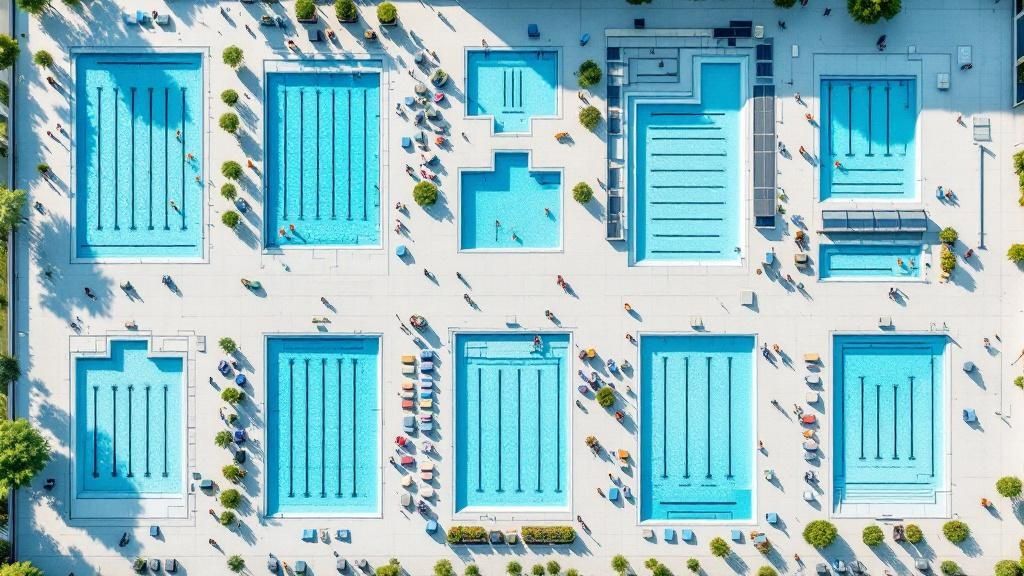
As temperatures rise, community swimming pools become essential hubs for family fun, fitness, and relaxation. These public facilities offer a vital escape from summer heat, providing a central place for everything from dedicated swim training to safe, kid-friendly splashing. But the world of public aquatics is more diverse than many realize. Beyond the traditional rectangular basin, municipalities and community groups are investing in specialized facilities designed to meet specific local needs. Whether for competitive sports, accessible therapy, or eco-friendly recreation, the modern community swimming pool is a targeted investment in public well-being.
This guide explores nine distinct models of community swimming pools. We will fact-check the purpose, design, and benefits of each type, moving beyond a simple list of locations to analyze why these different facilities exist and who they serve. From large-scale multi-purpose centres to innovative natural pools, this breakdown provides up-to-date information on the trends shaping public aquatic infrastructure. Let's dive into the models that define today's community swimming pools.
1. Multi-Purpose Aquatic Centers: The All-in-One Family Destination
Unlike a traditional, single-basin pool, a multi-purpose aquatic centre is a comprehensive recreational hub designed for diverse community needs. These large-scale facilities combine standard lap swimming with leisure elements like water slides, lazy rivers, wave pools, and dedicated splash pads for toddlers. By segmenting activities, they can safely accommodate competitive training, swimming lessons, and family fun simultaneously, making them a true all-in-one destination.
This model transforms the concept of a local pool into a year-round attraction. Facilities like the Mi'kma'ki-Wolastoqey Centre for Friendship and Recreation in Bridgewater, Nova Scotia, successfully demonstrate this approach, offering a wide array of aquatic programming alongside other recreational services. The key benefit is their ability to generate revenue from various user groups, from serious athletes to families seeking a day of entertainment, ensuring financial sustainability and broad community appeal.
Maximizing Community Engagement
The success of these community swimming pools hinges on flexible design and programming. Creating distinct zones for different activities is crucial. For instance, separating a quiet, multi-lane lap pool from a high-energy wave pool and a zero-depth entry children's area allows for simultaneous, conflict-free use.
To get the most out of such a significant investment, consider these strategies:
- Plan for Flexible Spaces: Use moveable bulkheads to reconfigure lap pools for different events, such as water polo matches or synchronized swimming competitions.
- Invest in Energy Efficiency: Incorporate high-efficiency water filtration and heating systems, along with pool covers, to manage long-term operational costs.
- Ensure Full Accessibility: Design all areas, including change rooms, pool decks, and water access points (with ramps or lifts), to exceed basic compliance and welcome all community members.
The following infographic highlights the core components that define a successful multi-purpose aquatic centre.
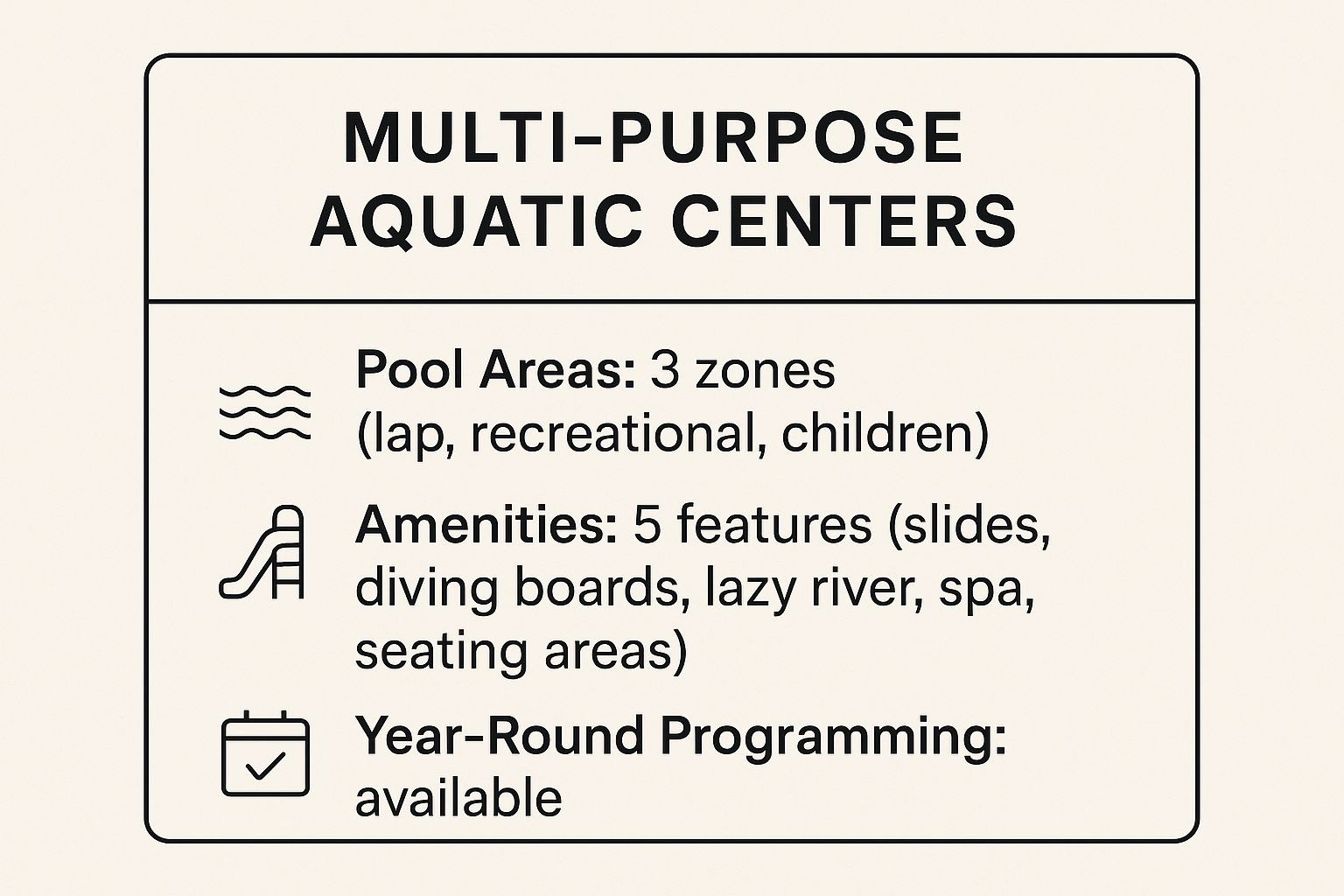
As the summary shows, the strength of this model lies in its layered approach, offering distinct zones, diverse amenities, and the potential for year-round programming that serves the entire community.
2. Therapeutic/Rehabilitation Pools: A Focus on Health and Accessibility
Distinct from recreational facilities, therapeutic and rehabilitation pools are specialized community swimming pools designed primarily for health and wellness. These venues prioritize physical therapy, low-impact exercise, and adaptive aquatic programs. Key features include warmer water temperatures (typically 32-35°C), extensive accessibility features like ramps and chair lifts, and specialized equipment such as underwater treadmills and resistance jets.
This model serves a critical need within the community, offering a safe and effective environment for individuals recovering from injury, managing chronic conditions like arthritis, or requiring adaptive fitness options. A prime example is the Holland Bloorview Kids Rehabilitation Hospital pool in Toronto, which provides hydrotherapy programs that would be impossible in a standard, cooler-temperature pool. The value of these community swimming pools lies in their ability to improve health outcomes and quality of life for users who might otherwise have limited options for physical activity.
Maximizing Community Health Impact
The success of a therapeutic pool is measured by its ability to provide targeted, effective aquatic therapy. This requires a purpose-built environment and highly trained staff. The design must focus on creating a calm, supportive atmosphere where users can work toward their specific health goals with confidence.
To ensure these facilities deliver maximum benefit, consider these strategies:
- Partner with Healthcare Providers: Form collaborations with local hospitals, physiotherapy clinics, and doctors to create a direct referral pipeline, integrating the pool into the community's healthcare network.
- Train Staff in Adaptive Aquatics: Certify instructors and lifeguards in specialized areas like hydrotherapy techniques and working with clients with disabilities to ensure safety and program effectiveness.
- Prioritize Full Accessibility: Design goes beyond basic compliance. Ensure every aspect of the facility, from parking and change rooms to pool access, is barrier-free to welcome all community members.
- Plan for Specialized Equipment: Allocate dedicated, secure storage for therapeutic equipment like flotation devices, weights, and mobility aids, ensuring it is well-maintained and readily accessible.
By focusing on these elements, a therapeutic pool becomes more than just a place to swim; it transforms into a vital piece of community health infrastructure.
3. Natural Swimming Pools: Sustainable, Chemical-Free Swimming
Natural swimming pools are an eco-friendly alternative to traditional chlorinated community swimming pools, using biological filtration instead of harsh chemicals. These pools are designed to mimic natural ponds or lakes, incorporating aquatic plants and beneficial microorganisms within a separate "regeneration zone" to purify the water. The result is a crystal-clear, chemical-free swimming experience that feels more like taking a dip in a pristine, natural body of water.
This innovative model emphasizes sustainability and harmony with the local ecosystem. By eliminating chlorine, these facilities offer a healthier option for swimmers with sensitive skin or respiratory issues and reduce the environmental impact associated with chemical use and disposal. Pioneering examples like the Borden Park Natural Swimming Pool in Edmonton demonstrate how a large-scale public facility can operate effectively without traditional chemicals, setting a new standard for sustainable public recreation.
Maximizing Community Engagement
The success of a natural swimming pool depends on public education and specialized design. It is essential to communicate how the biological filtration system works so the community understands and trusts the water's cleanliness. The visual appeal of the aquatic plants and naturalistic design can become a key attraction, turning the pool into a beautiful community centrepiece.
To successfully implement this type of community swimming pool, consider these strategies:
- Work with Experienced Designers: Partner with architects and engineers who specialize in natural swimming pool technology to ensure the biological filtration system is correctly sized and designed for public use.
- Educate the Community: Develop clear signage and programming that explains the science behind the pool, highlighting the benefits of chemical-free swimming to build user confidence.
- Plan for Seasonal Maintenance: The regeneration zone requires ecological management, such as trimming plants and managing sediment, which differs significantly from standard pool maintenance.
- Engage Local Environmental Groups: Collaborate with local conservation authorities or environmental organizations to promote the pool's ecological benefits and create educational opportunities.
The following infographic highlights the core components that define a successful natural swimming pool.
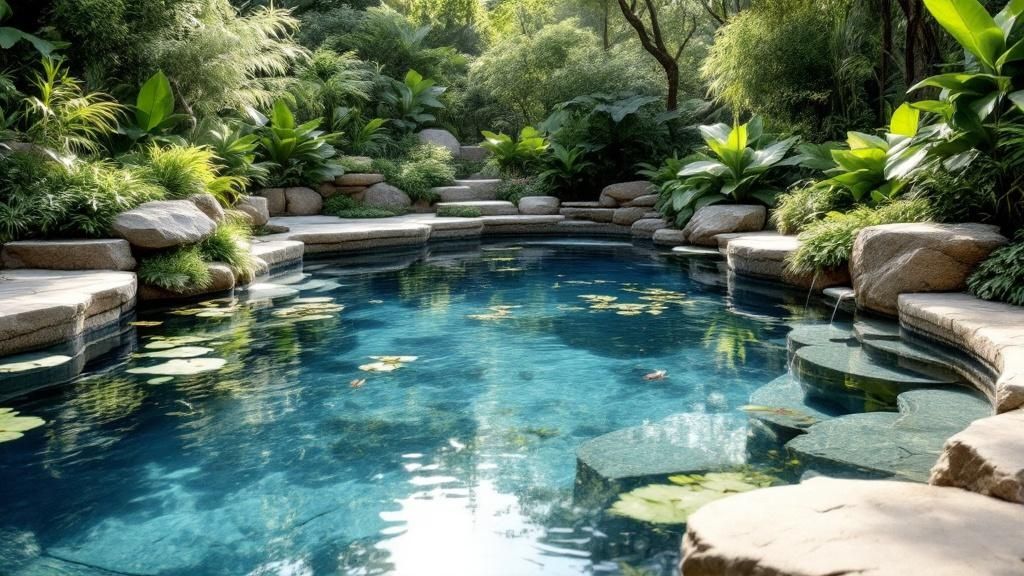
As the summary shows, the strength of this model lies in its sustainable approach, offering a unique, chemical-free experience that connects the community with nature while providing a refreshing and healthy place to swim.
4. Seasonal/Portable Pool Systems: Flexible Aquatic Solutions for Every Community
Not every community can support a year-round, permanent aquatic facility. Seasonal or portable pool systems offer a practical and cost-effective alternative, providing temporary swimming infrastructure perfect for areas with limited budgets, short summer seasons, or space constraints. These installations range from large, above-ground framed pools to modular systems that can be assembled on a suitable flat surface like a park or community centre lot, then disassembled and stored during the off-season.
This model allows municipalities to pilot aquatic programs and gauge public demand before committing to a multi-million-dollar permanent structure. For instance, temporary pool programs in rural communities or seasonal setups in Canadian prairie towns demonstrate how this approach can deliver vital recreational opportunities where they might otherwise be unfeasible. These community swimming pools bridge the gap, ensuring residents have access to swimming lessons and a safe place to cool off during warm months.
Maximizing Community Engagement
The success of a seasonal or portable system relies on meticulous planning and efficient logistics. Unlike permanent pools, the setup and takedown process becomes a critical part of the annual operational cycle. Proper site preparation and off-season storage are paramount to ensuring the longevity of the equipment and the safety of its users.
To get the most out of this flexible model, consider these strategies:
- Evaluate Site Suitability: Ensure the chosen location is level, has access to water and power, and can support the weight of a full pool. Proper ground preparation is essential.
- Develop Efficient Logistics: Create a detailed plan for assembly, daily operation, disassembly, and off-season storage. This minimizes downtime and protects the investment.
- Prioritize Safety and Supervision: Even temporary pools require rigorous safety protocols, including certified lifeguards, secure fencing, and clear rules, to create a safe environment for all swimmers.
By embracing this adaptable approach, communities can provide valuable aquatic services without the immense financial and infrastructural commitment of a permanent build, making it a powerful tool for responsive community recreation.
5. School-Community Partnership Pools: A Model for Shared Resources
A school-community partnership pool is a strategic collaboration where aquatic facilities are jointly funded, developed, and operated by an educational institution and a local municipality. This model provides dedicated access for students for curriculum-based programs, like swimming lessons and team training, during school hours. In the evenings, on weekends, and during school holidays, the facility opens to the public, transforming into a vibrant hub for community recreation and wellness.
This approach offers a cost-effective solution for communities that may lack the funds to build a standalone aquatic centre. By sharing construction and operational costs, both partners achieve their goals without duplicating expensive infrastructure. Successful examples, like the joint-use facilities in many Ontario school districts, showcase how these partnerships can maximize asset utility. These community swimming pools become invaluable local resources, serving a broad demographic from young learners to active seniors.
Maximizing Community Engagement
The success of a shared-use facility hinges on a robust and clearly defined partnership agreement. This legal framework must outline responsibilities for everything from capital costs and daily maintenance to programming schedules and liability, ensuring a smooth and sustainable operation for both parties. Without this clarity, conflicts over access and upkeep can undermine the entire project.
To get the most out of such a significant investment, consider these strategies:
- Establish Clear Partnership Agreements: Formalize every aspect of the collaboration upfront, including financial contributions, maintenance protocols, and a conflict-resolution process.
- Plan for Flexible Scheduling: Implement sophisticated scheduling software that can manage complex timetables, seamlessly transitioning between school-only and public-access hours.
- Design Separate Entrances: If possible, create distinct entrances for school users and the general public to enhance security, streamline access, and manage user flow effectively.
- Ensure Full Accessibility: Design the facility to meet the diverse needs of both students and community members, incorporating features like zero-depth entries, accessible change rooms, and spectator seating.
6. Senior-Focused Aquatic Centers: Promoting Health and Social Connection
Unlike facilities designed for high-energy recreation, a senior-focused aquatic centre prioritizes wellness, accessibility, and social engagement for older adults. These specialized community swimming pools feature therapeutic warm-water pools, extensive accessibility modifications, and programming tailored specifically to enhance mobility and health. The focus shifts from recreation to rehabilitation and maintenance, providing a safe, low-impact environment for seniors to stay active and connected.
This model serves a critical and growing demographic. For instance, many YMCA locations across Canada offer specialized senior aquatic programs, and dedicated active adult communities often build their recreational programming around such facilities. The core benefit is providing a targeted service that directly addresses the health needs of seniors, from arthritis relief to post-operative recovery, fostering both physical well-being and a strong sense of community.
Maximizing Engagement for Older Adults
The success of these community swimming pools depends on creating an environment that is not just physically accessible but also welcoming and socially engaging. The design must go beyond basic compliance to anticipate the specific needs of its users, from water temperature to class structure.
To effectively serve this demographic, consider these strategies:
- Partner with Healthcare Providers: Collaborate with local physiotherapy clinics, doctors, and senior centres to create referral programs and integrated wellness plans.
- Invest in Specialized Staff: Hire instructors certified in aquatic therapy and fitness programs designed for seniors, such as Aqua-Chi or Arthritis Foundation Aquatics.
- Ensure Full Accessibility: Implement features like zero-depth or "beach" entries, submersible aquatic wheelchairs, and stable, well-lit railings throughout the facility.
- Create Adjacent Social Spaces: Design comfortable lounge areas near the pool with seating and refreshments to encourage social interaction before and after classes.
7. Indoor Year-Round Community Pools: Defying the Seasons
Indoor year-round community pools offer a climate-controlled solution for uninterrupted aquatic programming, making them essential hubs in regions with harsh winters or unpredictable weather. Unlike seasonal outdoor facilities, these enclosed structures guarantee that swimming lessons, lane swimming, and aquatic fitness classes can continue regardless of external conditions. This reliability establishes them as dependable community anchors for health and wellness.
This model is particularly vital for maintaining consistent training schedules for competitive swim teams and providing year-round therapeutic programming for seniors and individuals with disabilities. For example, recreation centres in nearly every major Canadian city rely on their indoor pools to serve diverse demographics throughout the year. The primary benefit is their capacity to provide a stable, predictable environment for skill development and recreation, fostering a strong sense of community that doesn't hibernate in the winter.
Designing for Longevity and Comfort
The success of these community swimming pools depends on creating a high-quality indoor environment that is both efficient and pleasant for users. Proper long-term planning is essential to manage operational costs and ensure the facility remains a welcoming space for decades.
To get the most value from an indoor facility, municipalities should prioritize these strategies:
- Invest in Superior Air Quality: Plan for robust dehumidification and ventilation systems to control humidity, prevent mould growth, and manage chloramine levels for a comfortable breathing environment.
- Prioritize Natural Lighting: Incorporate large windows, skylights, or translucent wall panels to reduce the need for artificial lighting, lower energy costs, and create a more open, inviting atmosphere.
- Plan for Flexible Programming: Design the space with community needs in mind, including features like accessible ramps, warm-water therapy pools, and multi-purpose rooms for meetings or parties.
These design considerations ensure the facility not only serves its immediate purpose but also remains a sustainable and cherished community asset for years to come.
8. Splash Pads and Interactive Water Features
Splash pads, also known as interactive water features or spray parks, offer a safe and accessible alternative to traditional community swimming pools. These zero-depth aquatic play areas eliminate the risks associated with standing water, making them ideal for young children and individuals with mobility challenges. Instead of a pool basin, they feature dynamic ground-level fountains, spray jets, water cannons, and dumping buckets that create an engaging sensory experience.
This model provides a lower-cost, high-impact solution for municipalities looking to add aquatic recreation. Facilities like Toronto's Sugar Beach or the many spray parks throughout Calgary showcase how these features can become vibrant community gathering spots. By focusing on interactive play rather than swimming, they serve a distinct demographic and can be installed in parks and public squares where a full pool would be impractical, broadening access to water-based fun.
Maximizing Community Engagement
The success of a splash pad lies in its thoughtful design and integration into the surrounding environment. An effective layout encourages exploration and social interaction while ensuring safety and comfort for all users, particularly supervising parents and caregivers.
To get the most out of these popular community swimming pool alternatives, consider these strategies:
- Design for Multiple Age Groups: Create distinct zones within the splash pad. A gentle, low-pressure area for toddlers can be separated from more dynamic, high-energy features for older children.
- Include Ample Shade and Seating: Install shade structures like canopies or large trees around the perimeter, along with plenty of benches, to provide comfortable resting areas for families.
- Plan for Efficient Water Management: Incorporate water recycling and advanced filtration systems. This not only conserves a vital resource but also significantly reduces long-term operational costs.
- Incorporate Community-Inspired Themes: Engage local residents in the design process to choose themes that reflect the community's character or history, fostering a stronger sense of ownership and pride.
9. Competition and Training Pools: Fostering Athletic Excellence
Competition and training pools are specialized community swimming pools engineered to meet the rigorous standards of aquatic sports. While serving the public for recreational swimming, their primary function is to support local swim teams, host official competitions, and provide a high-performance environment for athletes. These facilities are characterized by precise dimensions, lane configurations, and starting blocks that comply with regulations from governing bodies like FINA or Swimming Canada.
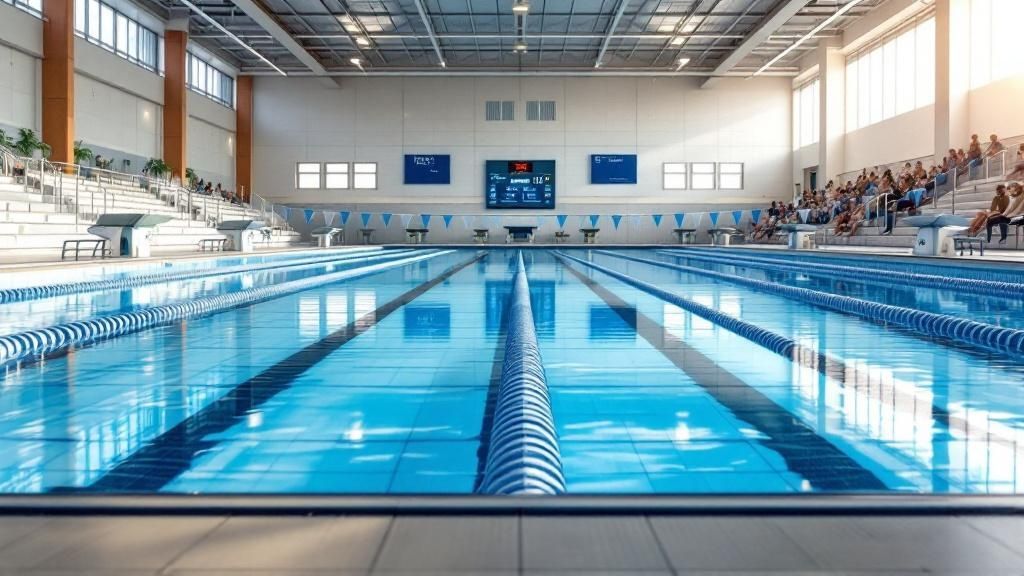
This model builds community pride and provides a crucial pathway for athletic development. Facilities such as the Toronto Pan Am Sports Centre and the Kinsmen Sport Centre in Edmonton serve as prime examples, becoming national hubs for major swimming events. The key benefit is their ability to nurture local talent and attract sports tourism, generating economic activity while promoting health and discipline.
Maximizing Athletic and Community Use
The success of these community swimming pools depends on balancing elite training needs with public access. The design must accommodate both high-stakes competitions and daily recreational use without compromising the integrity of either. Thoughtful planning ensures the facility remains a valuable asset for the entire community, not just competitive swimmers.
To get the most out of a competition-focused facility, consider these strategies:
- Plan for Flexible Configurations: Install moveable bulkheads to transform a 50-metre Olympic pool into multiple 25-metre sections, allowing simultaneous training sessions, lessons, and public swimming.
- Prioritize Spectator Experience: Design spectator seating with clear, unobstructed sightlines to the entire pool. Ensure adequate deck space for officials, coaches, and athletes during meets.
- Integrate Timing Systems: Embed the necessary infrastructure, like touchpads and scoreboard conduits, into the initial construction to avoid costly retrofitting and ensure professional-grade event hosting.
As the summary shows, this model is a strategic investment in a community's athletic future, creating a space where aspiring athletes can train and compete at the highest levels.
Community Pools: 9-Option Feature Comparison
| Type | Implementation Complexity 🔄 | Resource Requirements ⚡ | Expected Outcomes 📊 | Ideal Use Cases 💡 | Key Advantages ⭐ |
|---|---|---|---|---|---|
| Multi-Purpose Aquatic Centers | High – complex design, multiple zones | High – specialized staff, maintenance, costs | Diverse recreation & fitness, community health support | Large communities needing varied aquatic amenities | Broad age appeal, year-round programming |
| Therapeutic/Rehabilitation Pools | Medium-High – specialized accessibility | Medium-High – trained staff, heating, equipment | Support rehabilitation, inclusive programs | Medical rehab, adaptive aquatic therapy | Low-impact exercise, medical partnerships |
| Natural Swimming Pools | High – specialized biological systems | Medium – ecological expertise, seasonal care | Eco-friendly swimming, education on ecosystems | Eco-conscious communities, natural aesthetics | Chemical-free, sustainable, attractive design |
| Seasonal/Portable Pool Systems | Low – modular, temporary setup | Low – less staff and infrastructure | Flexible, temporary aquatic access | Limited budgets, seasonal climates | Low upfront costs, relocatable |
| School-Community Partnership Pools | Medium – dual scheduling, shared facilities | Medium – joint operation & maintenance | Maximize utilization, support education & recreation | Schools partnering with communities | Cost-sharing, community engagement |
| Senior-Focused Aquatic Centers | Medium – warm water, accessibility features | Medium – heating, staff specialized in seniors | Health support for seniors, social engagement | Aging populations needing tailored aquatic programs | Low-impact exercise, chronic condition management |
| Indoor Year-Round Community Pools | High – climate control, complex systems | High – energy, HVAC, maintenance | Consistent year-round usage, stable programming | Regions with harsh climates | Weather-independent, high utilization |
| Splash Pads & Interactive Water Features | Low – simple zero-depth design | Low – minimal staff, maintenance | Safe water play for children, family recreation | Families with young children | Low cost, safe, no lifeguards needed |
| Competition and Training Pools | High – competition specs, advanced facilities | High – timing systems, maintenance, staff | Support swim competitions, athlete training | Swim teams, competitive events | Elite training, revenue from meets |
Dive In and Discover Your Local Pool's Purpose
Across the country, communities are rich with aquatic opportunities that offer far more than just a place to cool down. As we've explored, the network of community swimming pools is a vibrant tapestry of specialized facilities, each designed to serve a unique purpose and a diverse population. From the sprawling, family-friendly fun of multi-purpose aquatic centres to the quiet, restorative calm of therapeutic pools, there is a model designed for every resident's needs.
This guide has showcased the sheer variety available. We've seen how school-community partnerships expand access and foster local engagement, and how seasonal splash pads provide safe, accessible joy for our youngest residents. For the dedicated athlete, competition-grade pools offer a space to train and excel, while senior-focused centres provide a welcoming environment for maintaining health and social connections. The common thread is clear: these facilities are fundamental hubs of community life.
Key Takeaways for Your Next Swim
To make the most of your local aquatic scene, remember these key points:
- Define Your Purpose: Are you looking for fitness laps, family fun, or gentle rehabilitation? Identifying your primary goal will immediately narrow down the best options, pointing you toward a competition pool, a splash pad, or a therapeutic centre.
- Embrace the Variety: Don't limit yourself to just one type of pool. Consider trying a natural swimming experience where available, or visit a large indoor facility during the winter months to keep your routine going year-round.
- Plan Ahead for Success: The most critical step before you pack your towel is to verify details. Schedules for public swims, lane swims, and lessons can change seasonally. Always check the official website for your municipality or the specific facility's direct page for the most current hours, fees, and any special programming notices. This small step ensures a smooth, hassle-free visit.
Beyond the Splash: The Impact of Community Pools
Investing your time in exploring these local gems does more than just provide recreation. It supports vital community infrastructure that promotes public health, encourages active lifestyles across all age groups, and builds social cohesion. Each visit contributes to the sustainability of these centres, ensuring they remain available for generations to come. By engaging with your local community swimming pools, you are actively participating in the wellness and vitality of your neighbourhood.
So, take this guide as your starting point. Use it to identify promising locations in your area, check their current schedules, and get ready to dive in. Whether you're rediscovering an old favourite or exploring a new facility for the first time, a world of aquatic adventure awaits. Make this the season you create new memories, achieve your fitness goals, and connect with your community—one splash at a time.
Stay informed about all the latest events, openings, and community news happening across the National Capital Region with ncrnow. We provide up-to-the-minute coverage on everything from new business developments to local guides just like this one. Visit ncrnow to discover what's happening in your city today.
Article created using Outrank
About The Author