
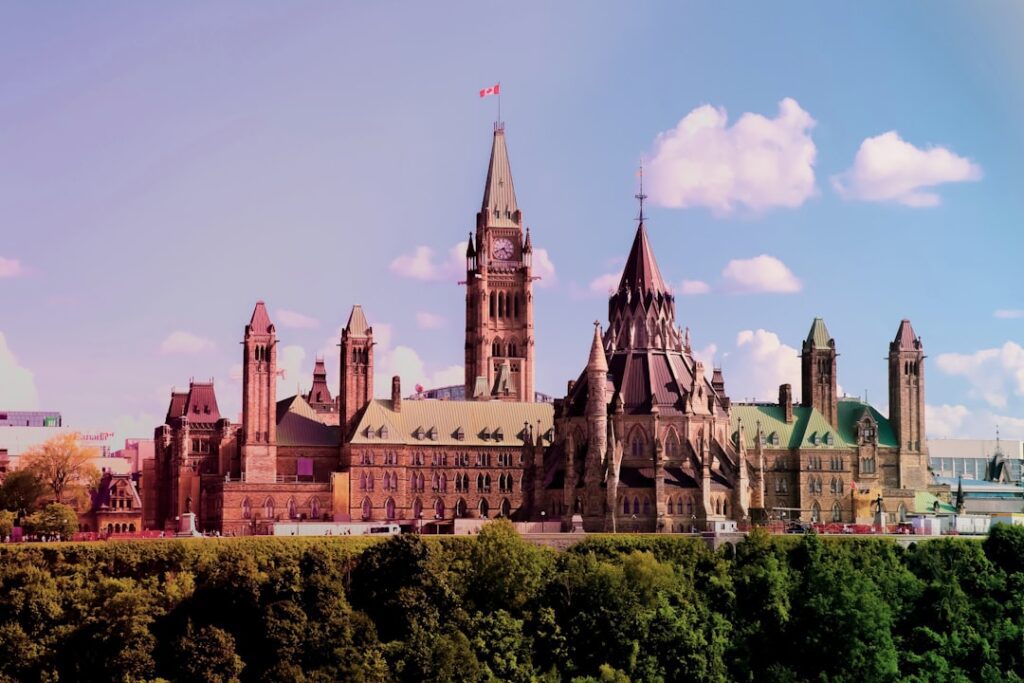
The phrase key political figures Ottawa points to a simple idea: knowing who makes decisions that shape daily life in the National Capital Region. This guide explains which offices matter, what those people actually do, and how residents can engage with the officials who influence everything from road repairs and transit to healthcare and federal policy.
Levels of Government and Who Holds Power
Ottawa sits at the intersection of three levels of government — municipal, provincial, and federal — and each level has its own set of key political figures. Understanding those roles clarifies where to direct questions, complaints, or suggestions.
Municipal: Mayor, City Councillors, and the City Manager
The municipal government handles the stuff people notice every day: potholes, garbage collection, local parks, zoning, local transit, and community programs. The mayor is the most visible municipal figure and sets the public agenda, chairs council meetings, and represents the city at official events. City councillors represent wards and bring local concerns to council debates; they vote on bylaws, budgets, and local policies.
The city manager is a non-elected but powerful figure: the chief administrative officer who implements council’s decisions and oversees municipal staff. Committees — for planning, transit, finance, and more — play major roles too, and councillors often participate in those groups to shape specific policy areas.
Provincial: Members of Provincial Parliament (MPPs) and the Ontario Government
Provincial leaders handle services like hospitals, education, highways, and many aspects of housing and social services. Residents are represented at Queen’s Park by a Member of Provincial Parliament (MPP) for each riding. MPPs raise constituent concerns, propose legislation, and work with provincial ministries to influence services that affect Ottawa-area residents.
Federal: Members of Parliament (MPs), Cabinet, and National Institutions
The federal government, headquartered in Ottawa, deals with national defense, immigration, federal taxes, and larger infrastructure and economic policies. Each Ottawa-area riding has a Member of Parliament (MP) who sits in the House of Commons and represents constituents’ federal-level issues. MPs, ministers, and parliamentary committees can all affect local outcomes when federal funding, regulation, or national programs are involved.
Other Influential Local Leaders
Beyond elected officials, several appointed and institutional leaders shape civic life:
- Police Chief: Oversees public safety priorities and police services board relations.
- School Board Trustees: Decide local education policy, budgets, and school boundaries.
- Hospital CEOs and Health Board Chairs: Influence hospital services and regional health planning.
- Heads of Local Agencies and Crown Corporations: Run transit agencies, conservation authorities, and developer review boards that affect planning and mobility.
Community leaders, nonprofit executives, and Indigenous representatives also play essential roles by shaping public debate and partnering with governments on programs.
How Residents Can Engage With Key Political Figures
Knowing who the key political figures Ottawa residents should contact is half the battle. The other half is engagement. Practical steps make outreach more effective:
- Find the right representative by postal code — that determines your councillor, MPP, and MP.
- Be concise and specific in emails or letters: state the issue, where it impacts you, and the action requested.
- Use public consultations, committee meetings, and ward clinics to speak directly to decision-makers.
- Attend city council or school board meetings to observe debates and speak during public delegations when allowed.
- Follow officials’ official channels for updates and timelines; many post agendas, reports, and consultation materials online.
- Partner with local nonprofits or community associations to amplify a concern — collective voices often move policy faster than lone calls.
Local publications and explainers can help decode council agendas and government procedures. NCR Now, for example, offers guides and community-focused explainers that make it easier to find contacts, understand municipal processes, and prepare for public meetings.
Why Knowing These Figures Matters
Familiarity with key political figures Ottawa residents may interact with leads to better outcomes. It shortens response times for service issues, helps residents find funding or program resources, and makes participation in policy decisions more likely. Civic engagement also improves transparency — when officials hear from informed constituents, decisions tend to reflect community needs more closely.
Practical Examples
Someone with a recurring flooding problem on a local street will usually start with the ward councillor and the municipal public works department. A parent concerned about school programming should contact the relevant school board trustee and the superintendent. Questions about federal support for a local museum or heritage building go to the MP and possibly a federal department. Each path is different, so matching the issue to the level of government saves time and increases the chance of meaningful action.
Summary
Understanding the roster of key political figures Ottawa residents should know — municipal leaders like the mayor and councillors, provincial MPPs, federal MPs, and influential institutional heads — makes civic life less confusing. Knowing who does what, how to contact them, and where to show up for public consultations turns passive frustration into productive civic engagement. Local resources, including NCR Now’s guides and explainers, can help residents navigate the process and make their voices heard.
Frequently Asked Questions
How can someone find who represents them at each level?
Use an address lookup tool on the City of Ottawa, Ontario government, or federal Parliament websites. Entering a postal code typically returns your councillor, MPP, and MP contact details.
What’s the difference between an MP and an MPP?
An MP represents constituents in the federal House of Commons and handles national issues like immigration and federal funding. An MPP represents a provincial riding in the provincial legislature and deals with matters such as healthcare, education, and provincial roads.
When should someone contact their city councillor instead of their MP or MPP?
Contact the city councillor for local services and bylaws — things like planning approvals, garbage pickup, local roads, and parks. If the issue involves provincial or federal regulation or funding, contact the MPP or MP respectively.
Are there easy ways to follow what officials are doing?
Yes. City and provincial governments publish agendas, minutes, and recordings of meetings online. Many councillors, MPPs, and MPs maintain newsletters or social media profiles that summarize their work and upcoming consultations.
About The Author