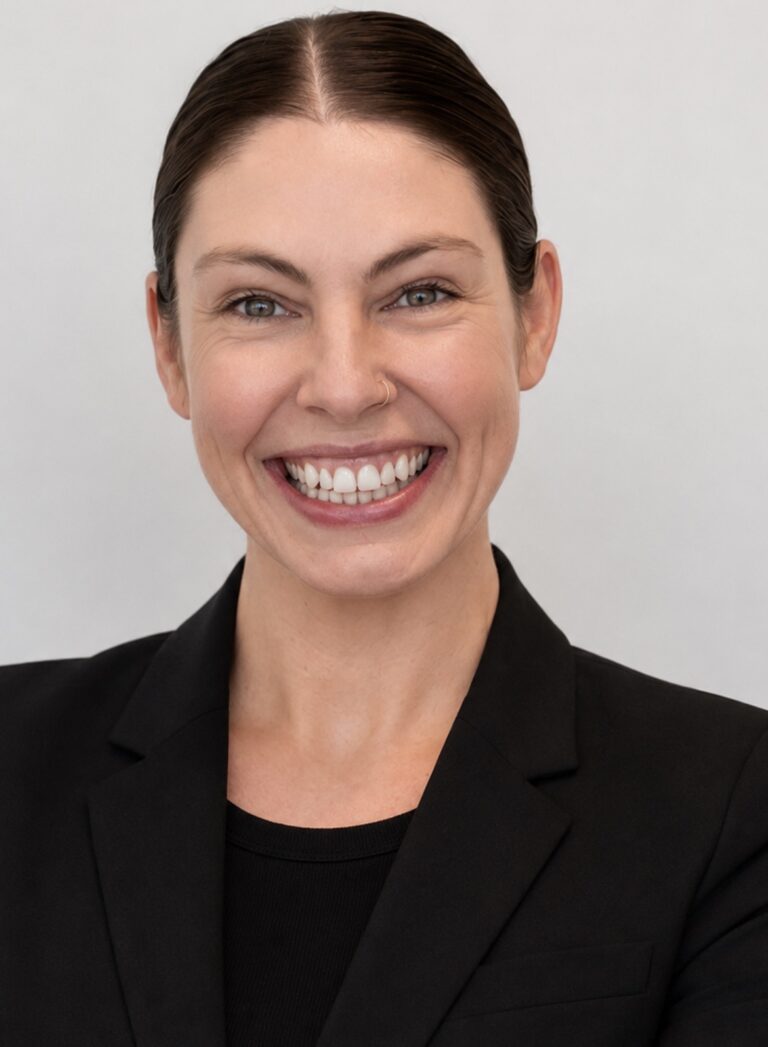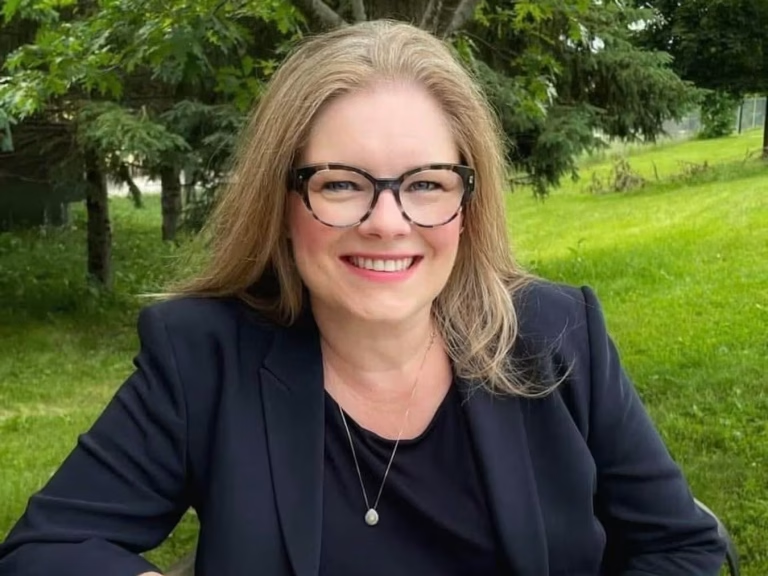

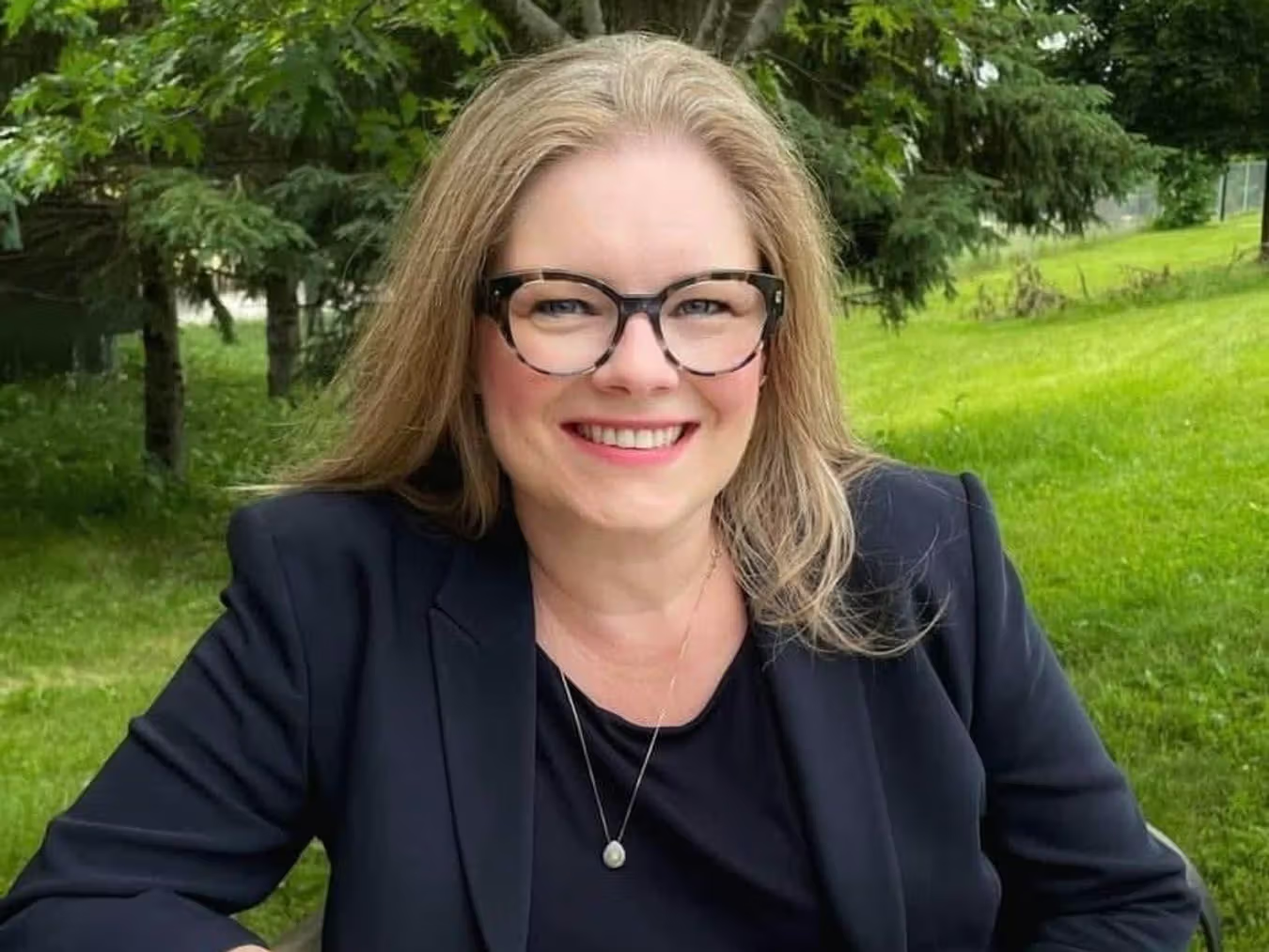
Erin Coffin. Photo courtesy of erincoffin.ca
The following are 5 questions that we sent out to every Ottawa City Council candidate in hopes of getting to know them better. We publish the responses exactly as we receive them, in the order that they were sent to us. Here are the responses from Kanata South (Ward 23) Council candidate Erin Coffin.
1. Who are you? Where are you from? What relevant experience do you have for the job?
I’m Erin Coffin. I moved to Bridlewood in 1990, and it’s been home ever since. My husband, Jeremy, and I are raising our two sons here. Over the years, I’ve been involved in the things that bring a neighbourhood together—as President of the Bridlewood Community Association, on school council, with outdoor rinks and community events, and with local organizations working on food security.
I’ve also spent nearly 30 years in the federal public service, working on policy and legislation in areas including public health, infrastructure, transportation, public safety and emergency response. That work taught me how to listen, bring people together and keep working through a problem. I’d bring that experience—and my years of living and volunteering here—to the job of councillor.
2. The city spends nearly $1B/y on OC Transpo, though many constituents remain dissatisfied with the state of Ottawa’s public transportation. What would you do as a councillor to improve the city’s transportation system?
For people who rely on transit, the question is simple: did the bus come, did the connection work, and did I get where I needed to go? I want OC Transpo to report on those things route by route, including cancellations, missed connections, travel times and whether people are completing their trips.
In Kanata South, I would listen to riders and local businesses about which routes and connections need attention, then push for practical, costed fixes—whether that means better schedules, transit priority or changes at a bottleneck. I would also work for safer, more predictable travel on our roads by pressing for decisions grounded in current traffic and safety information. I’ve committed to working toward 25 per cent fewer cancellations on priority routes by 2030, measured against a first-year baseline. Residents should be able to see whether service is improving. A councillor can’t run the buses, but can keep asking the questions and making the case for riders.
3. In a December 2025 poll from Abacus Data, 37% of respondents said that cost of living was the most important issue facing the city; another 19% responded ‘housing affordability.’ What would you do as a councillor to make the city of Ottawa more affordable?
The City can’t control every household bill, but its choices affect what people pay in taxes and fees, and what they get in return. I would support more housing choices in places where roads, water, transit and community services can support growth. I’d also work with other levels of government and community partners to support affordable and supportive housing.
Reliable transit matters to affordability too. When people can count on the bus, they have more choice about whether they need a car for every trip. I want the City to make careful choices with public money and be open with people about the trade-offs, so residents can see what a budget decision costs and what it delivers.
4. Certain city services like OC Transpo and the OPS have run significant deficits in recent years. Is there anything that you would do as a councillor to try to balance the city’s budget?
I’d want to understand what is driving the pressure: what it costs to provide a service, what residents are getting and whether the problem is temporary or ongoing. I don’t think automatic cuts are the answer, and spending more by itself doesn’t guarantee better service.
I see 3.75 per cent as a ceiling for planning, not an automatic increase or a promised number. Before supporting a major commitment, I’d want to know the full cost, who is paying, what result we expect and what other needs might have to wait. Then I’d want regular updates so residents can see whether the investment is delivering. If the City finds a real efficiency, it should explain what changed and where the savings are going.
5. Why are you running for Council? What do you think is the biggest issue facing your ward today?
Kanata South has been my home since 1990. I ran for council in 2022 and finished second. I’m running again because I care about this community and believe residents deserve a councillor who listens, follows things through and tells them what happened. I’ve spent years working alongside neighbours, and I’m ready to bring that experience to City Hall.
The biggest challenge is making sure the roads, transit and services people rely on keep pace as our community grows. Many of the same concerns have been raised for years. As Kanata South grows, I believe it’s time for a fresh approach to hearing those concerns and following through on them. Within my first 100 days, I would publish a Community Charter explaining how my office will listen, respond and report back. Kanata South deserves more than “I guess it’s OK.”
About The Author