

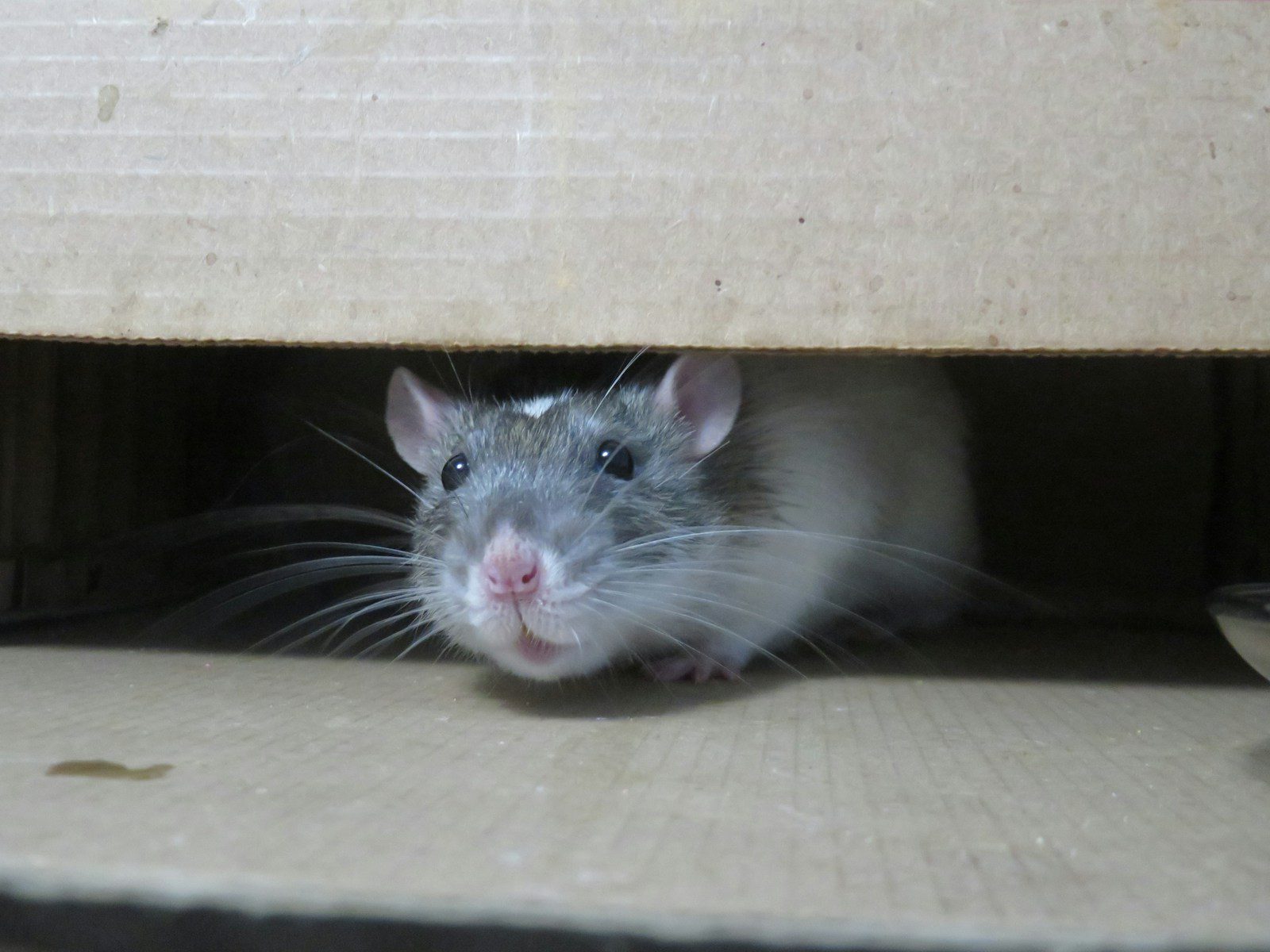
Rodents, including mice and rats, are among the most common and destructive pests in homes and businesses. Beyond being a nuisance, they can cause significant property damage and pose serious health risks. Understanding their habits and implementing effective control measures is essential for maintaining a safe living environment.
Why Rodents Are a Problem
Rodents are notorious for chewing through wires, insulation, and furniture. This behavior can lead to electrical fires, structural damage, and costly repairs. Additionally, rodents carry diseases such as Hantavirus, Salmonella, and Leptospirosis, which can contaminate food and surfaces. They reproduce quickly, making early detection and control vital.
Signs of Rodent Infestation
Identifying a rodent problem early is key. Common signs include:
- Droppings along baseboards, cupboards, or pantries
- Gnaw marks on food packaging, furniture, or electrical wiring
- Scratching or scurrying sounds in walls, attics, or ceilings
- Nests made from shredded paper, cloth, or insulation
Spotting these indicators can prevent a small infestation from becoming a larger, more difficult problem.
Rodent Control Methods
1. Prevention: Preventive measures are the first line of defense. Seal cracks, gaps, and entry points in walls, doors, and foundations. Keep food sealed in airtight containers, maintain clean kitchens, and remove clutter where rodents may nest. Proper garbage management and composting practices also deter rodents.
2. Traps and Baits: Snap traps, electronic traps, and bait stations are effective tools for controlling rodents. Baits often include anticoagulant chemicals that target rodents while minimizing exposure to humans and pets. Strategic placement along walls and near nesting areas is essential for success.
3. Professional Rodent Control: For larger infestations, professional pest control services provide expert inspection and treatment. Professionals use specialized rodenticides, monitoring devices, and exclusion techniques to remove rodents safely and prevent their return. Many also offer long-term prevention plans to protect your property year-round.
Eco-Friendly Rodent Control
Sustainable pest management practices are increasingly popular. Humane traps, natural repellents, and integrated pest management (IPM) approaches reduce reliance on harmful chemicals. For example, peppermint oil and ultrasonic repellents can deter rodents in sensitive areas. IPM focuses on combining preventive measures, monitoring, and targeted interventions to minimize environmental impact while maintaining effective control.
Health and Safety Considerations
Rodent infestations can pose significant health risks. In addition to disease transmission, droppings and urine can trigger allergies and respiratory issues. Electrical damage caused by chewing can lead to fire hazards. By addressing infestations promptly and responsibly, homeowners protect both property and personal health.
Conclusion
Rodent control is an essential part of home and business maintenance. By combining preventive measures, monitoring, traps, baits, and professional services, property owners can minimize damage, health risks, and long-term costs. Staying vigilant and proactive ensures a rodent-free, safe environment for your family or employees.
For professional rodent control services in Canada, visit Pestline.
About The Author