

For hundreds of thousands of Ontarians, finding reliable primary care has become one of the most frustrating parts of the health system. Family doctors are retiring faster than they’re being replaced, waitlists remain long in many regions, and walk-in clinics are often stretched thin. The Ontario government says it has a plan to change that, and this week it put more money behind it.
On January 14, the province announced up to $8 million in planning funding to support 16 new and expanded primary care teaching clinics across Ontario. Once fully operational, the clinics are expected to connect 300,000 additional people to primary care, while also training the next generation of family doctors and health-care professionals.
The funding is part of Ontario’s $2.1 billion Primary Care Action Plan, a multi-year strategy aimed at ensuring that everyone in the province can access primary care by 2029.
“These new primary care teaching clinics will further protect our health-care system by training the next generation of primary care clinicians, right here in Ontario,” said Deputy Premier and Minister of Health Sylvia Jones. “This builds on our government’s unprecedented investments in primary care that will ensure anyone who wants to connect to a primary care clinician can have reliable access to primary care, no matter where they live.”
Training and care, at the same time
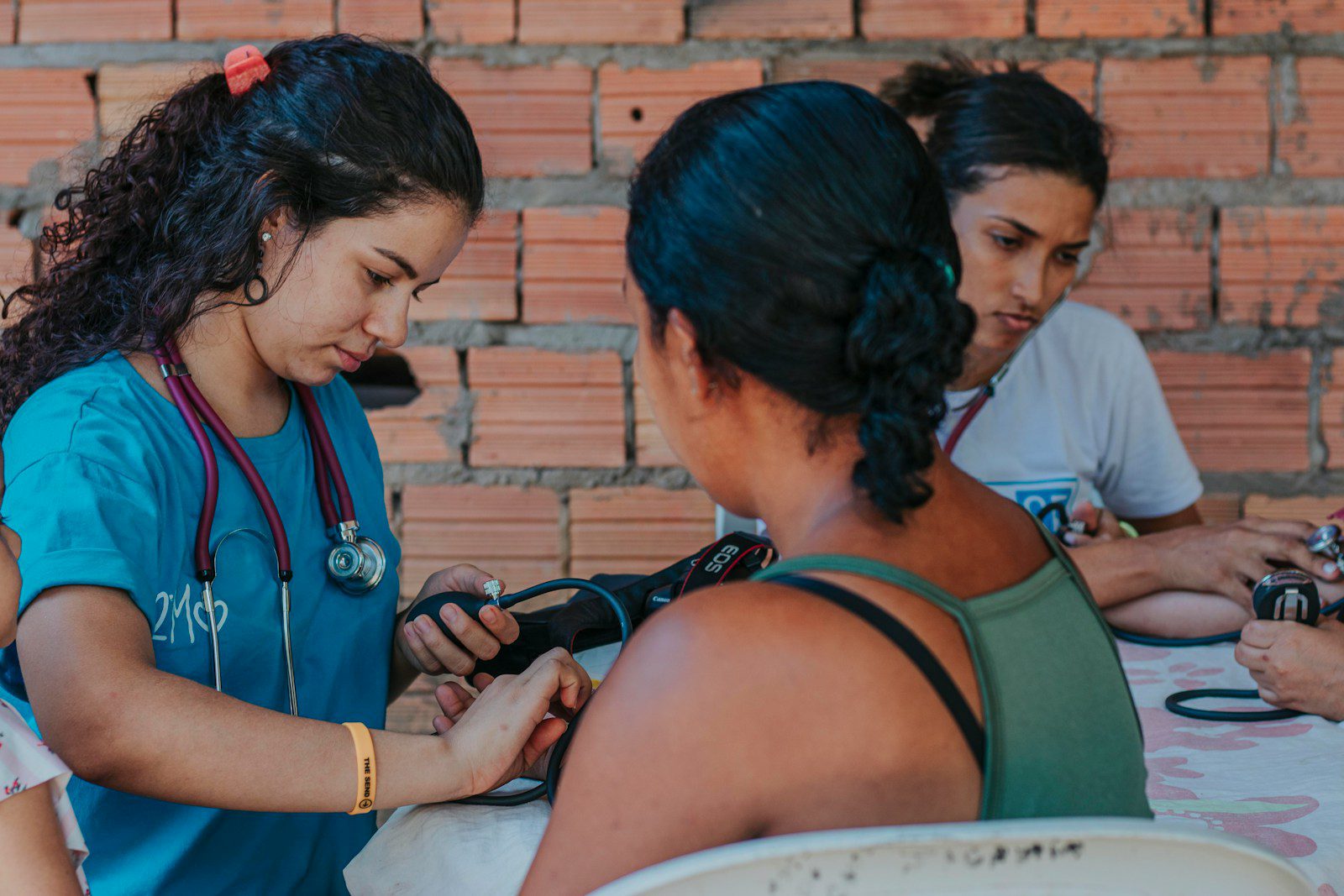
Unlike traditional family medicine offices, primary care teaching clinics operate as training environments tied directly to medical schools. Family medicine residents work alongside nurse practitioners, physician assistants, registered nurses, and other professionals in a team-based model that mirrors how modern primary care is increasingly delivered.
Each clinic will receive up to $500,000 for planning, with the first wave expected to open in 2027–28. The clinics are designed to balance two goals at once: expanding patient access to primary care and giving health-care trainees hands-on experience in real community settings.
“Hands-on learning is critical to ensuring our health care students can hit the ground running and provide exceptional care upon graduation,” said Nolan Quinn, Minister of Colleges, Universities, Research Excellence and Security. “The new and expanded primary care clinics will not only equip our future doctors and nurses with the skills they need to thrive, but also connect more people in Ontario to compassionate health care, close to home.”
Where the clinics will be located
The 16 new or expanded clinics will be affiliated with medical schools across the province, including McMaster University, Queen’s University, the University of Ottawa, Western University, NOSM University, and the University of Toronto.
Sites include communities such as Milton, Niagara, Kingston, Belleville, Oshawa, Sarnia, Woodstock, London East, and multiple northern communities including Thunder Bay, Sudbury, Sault Ste. Marie, Timmins, and North Bay. Two additional clinics at Toronto Metropolitan University bring the total number of new and expanded sites to 18.
The geographic spread reflects an effort to address areas with high rates of residents who are not attached to a regular primary care provider, a growing problem in both urban and rural parts of Ontario.
Clearing waitlists and growing the workforce
The teaching clinic expansion is one piece of a much larger puzzle. The province says it has already reduced the Health Care Connect waitlist by more than 75 per cent since January 1, 2025, and plans to continue expanding primary care teams.
Ontario is also investing heavily in medical education. By 2028–29, the province will have added 340 undergraduate medical seats and 551 postgraduate positions, representing a 67 per cent increase in family medicine graduates per year. Since 2018, nearly 20,000 physicians have been added to Ontario’s health-care workforce.
At the same time, regulatory changes have made it easier for U.S.-licensed nurses and physicians to practise in Ontario. So far this year, more than 1,700 nurses and 450 doctors from the United States have already made the move.
Dr. Jane Philpott, Chair of Ontario’s Primary Care Action Team, says the teaching clinics are a critical part of long-term system stability.
“This investment in critical infrastructure will strengthen team-based primary care in Ontario,” she said. “These new teaching clinics will train the next generation of family physicians, nurse practitioners, physician assistants and other health professionals to work in teams while delivering vital care to patients who currently lack access.”
Support from across the sector
Health organizations across the province welcomed the announcement, pointing to the dual benefit of improved access and stronger training environments.
“As an academic hospital, Women’s College Hospital is deeply committed to advancing primary care education and training the clinicians of the future,” said Heather McPherson, President and CEO of Women’s College Hospital. “Strengthening team-based, hands-on learning environments is essential to preparing family physicians and other clinicians to deliver exceptional, connected care from day one.”
The Ontario Medical Association also voiced support.
“The Ontario Medical Association welcomes the government’s investment in primary care teaching clinics,” said Dr. Zainab Abdurrahman, OMA President. “Expanding these clinics will give the next generation of family doctors practical, hands-on experience delivering care directly to patients.”
The Ontario College of Family Physicians echoed that sentiment, with President Dr. Jobin Varughese calling the move “an important step toward supporting family physicians to thrive in practice.”
Nurse practitioners, who play a growing role in primary care delivery, also see the expansion as a positive shift.
“NPAO welcomes the investments that expand the education and training capacity for Nurse Practitioners,” said Dr. Michelle Acorn, CEO of the Nurse Practitioners’ Association of Ontario. “Supporting teaching clinics ensures that the next generation of NPs can train in team-based environments that reflect the realities of modern primary care.”
What it means for patients
While many of the clinics won’t open for another year or more, the province is positioning this investment as foundational rather than quick-fix. The idea is that by strengthening primary care training today, Ontario can stabilize access for decades to come.
For patients still searching for a regular provider, the promise of expanded primary care can’t come soon enough. Whether these investments deliver the scale and speed needed will become clearer as the first clinics open and attachment numbers continue to be tracked.
About The Author