
Paint is the cheapest way to change a room and the easiest place to waste money, because almost all of the durability comes from work you cannot see once the job is done. This guide covers what interior painting costs in Ottawa, how cabinet refinishing compares with replacing kitchen cabinetry, what proper surface preparation involves, how to choose sheen room by room, and why winter is the sensible time to book interior work. It is aimed at homeowners from Barrhaven and Riverside South to Westboro and The Glebe weighing a single room refresh against a whole-home repaint.
What Interior Painting Costs in Ottawa
Local pricing for interior work generally falls between $400 and $900 per room, with whole-home interiors landing in the $3,500 to $9,000 range. The spread is driven by ceiling height, the number of coats the colour change needs, trim and door counts, and how much repair the walls need before a brush touches them.
Timelines are more predictable than prices. A single room is usually a one-day job. A three-bedroom home takes roughly three to five working days. Cabinet refinishing runs one to two weeks, and most of that is cure time rather than active labour.
What Changes the Number
Dark-to-light colour changes need an extra coat or a tinted primer. Textured or previously repaired walls need skim coating. Homes built before 1980 may have oil-based trim paint that needs a bonding primer before latex will hold. High ceilings in a two-storey foyer or a Centretown loft add staging costs. None of these are upsells; they are the difference between a finish that lasts and one that peels.
Cabinet Refinishing Versus Replacement
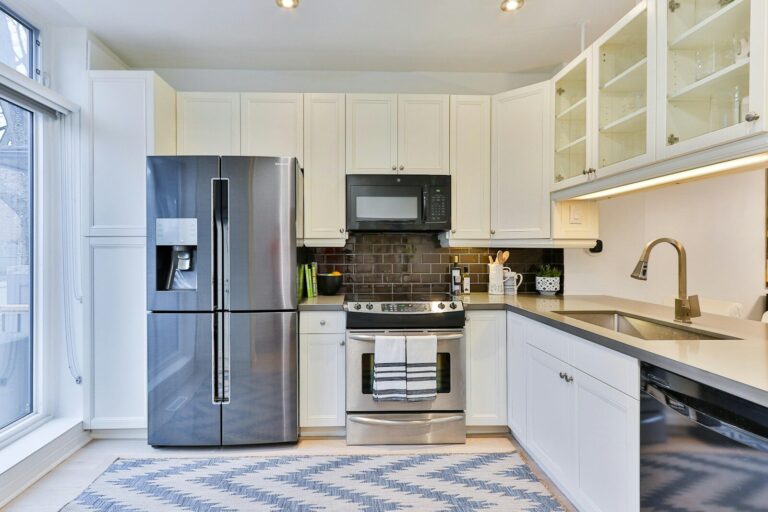
Refinishing existing kitchen cabinets is one of the few renovation decisions where the arithmetic is genuinely lopsided. Replacing cabinetry in an average Ottawa kitchen runs into five figures once you count boxes, doors, hardware, counter removal and reinstallation, and the plumbing and electrical work a full tear-out drags along with it. Refinishing what you already have costs a fraction of that and takes one to two weeks rather than a month with no kitchen.
The deciding factor is the carcass. If the boxes are solid, square and free of water damage or delaminated particleboard, and if the layout still works for how you use the kitchen, refinishing is the better buy. Plywood and solid-wood boxes from the 1990s and 2000s are frequently in excellent shape behind dated doors. Replacement makes sense when the boxes are failing, when you want to change the footprint, or when the doors are a thermofoil or laminate that will not accept a coating reliably. If the layout is wrong, no finish fixes it.
The Actual Cabinet Process
A properly done cabinet job follows a fixed sequence. Doors and drawer fronts are removed, labelled and taken to a controlled space. Every surface is degreased, because kitchen cabinets carry a film of cooking residue that will reject paint no matter how good the product is. Then everything is sanded to give the primer mechanical grip, cleaned again, primed with a bonding primer, and sprayed rather than brushed so the finish has no stipple or brush marks.
Then it cures. Cabinet coatings reach handling hardness in a day or two but continue hardening for considerably longer, and doors rehung and slammed too early will show impressions and edge damage. The one-to-two-week window quoted by companies like PaintExperts Ottawa, reachable at (613) 801-7316, is mostly this cure period rather than idle time.
Why Preparation Is Where Quotes Diverge
Read two painting quotes side by side and the paint line will be nearly identical. The labour line will not. A crew that budgets a full day to sand, fill, caulk and prime will quote higher than one planning to roll two coats over whatever is there, and that gap shows up two years later at the trim joints and along the ceiling line.
Proper prep means moving and covering furniture and floors, washing surfaces to remove dust and grease, scraping and sanding any failing paint, filling nail holes and cracks, taping and mudding drywall damage, sanding those repairs flush, caulking gaps at trim and casing, spot-priming every repair and any stain that would bleed through, and removing switch plates rather than cutting around them. On older homes it also means correcting whatever the previous painter left behind, often the largest single variable.
PaintExperts Ottawa is locally owned and says it uses in-house crews rather than subcontractors, carries liability coverage and WSIB, and provides free written estimates. Its painting services cover interior and exterior work, commercial and office spaces, condos, popcorn ceiling removal, and deck and fence staining alongside cabinet refinishing.
Choosing Sheen by Room
Sheen is a durability decision disguised as an aesthetic one. Higher sheen means more resin at the surface, so better washability and more reflected light, but also more visible wall imperfections.
Flat and matte hide surface flaws best and belong on ceilings and in low-traffic bedrooms. Eggshell and matte-washable products are the practical default for living rooms, dining rooms and hallways, giving reasonable cleanability without spotlighting every drywall seam. Satin suits kids’ rooms, laundry rooms and bathrooms. Semi-gloss belongs on trim, doors and cabinetry, where you want a hard, wipeable film.
One caution for older housing stock in the Glebe, Hintonburg and Alta Vista: plaster walls and heavily patched drywall look considerably worse in eggshell than in matte. If the walls have history, drop the sheen or budget for skim coating.
Why Winter Is the Easy Season to Book
Exterior painting in the National Capital Region runs roughly May through October, because coatings need both surface and air temperatures above the manufacturer’s stated minimum for the entire cure window, not just at the moment of application. An October afternoon can be warm enough to apply and far too cold overnight for the film to form properly, which is how exterior jobs fail the following spring.
Interior work has no such constraint. From November through March, crews are not competing with the exterior season, so lead times are shorter and you get a team’s full attention rather than days split between your dining room and someone’s siding in Stittsville. Modern low-VOC products have largely solved the odour problem that once made people wait for open-window weather, so if you have been putting off interior painting for the main floor, winter is the least contested time of year to get it done.
Frequently Asked Questions
How much does it cost to paint a room in Ottawa?
Typical interior pricing runs $400 to $900 per room, with whole-home interiors generally between $3,500 and $9,000. Ceiling height, trim and door counts, the extent of drywall repair, and whether the colour change needs an extra coat move a room within that range. Free written estimates are standard, so get two or three and compare the preparation described rather than the totals.
Is refinishing kitchen cabinets worth it, or should I replace them?
Refinishing is worth it when the boxes are structurally sound, free of water damage, and the layout still works for you. It costs a fraction of replacement and takes one to two weeks instead of a month without a kitchen. Replace when the carcasses are failing, when you want to change the footprint, or when the doors are a laminate or thermofoil that will not hold a coating.
How long does a whole-home interior painting job take?
A single room is usually one day. A three-bedroom home typically takes three to five working days depending on trim, ceilings and the amount of wall repair required. Cabinet refinishing is quoted separately at one to two weeks, most of it curing rather than active work.
Can interior painting be done in an Ottawa winter?
Yes, and it is often the better time to book. Interior work is unaffected by outdoor temperatures, while exterior painting is limited to roughly May through October because coatings need surface and air temperatures above the manufacturer’s minimum through the full cure. Booking interior work between November and March usually means shorter lead times.
What should a painting estimate include?
A written estimate should name products and sheens by room, describe the preparation being performed, state the number of coats, list what is being moved or protected, and confirm insurance and WSIB coverage. If two quotes differ significantly the gap is almost always preparation scope, so ask each contractor what specifically they will do to the walls before the first coat.
About The Author