
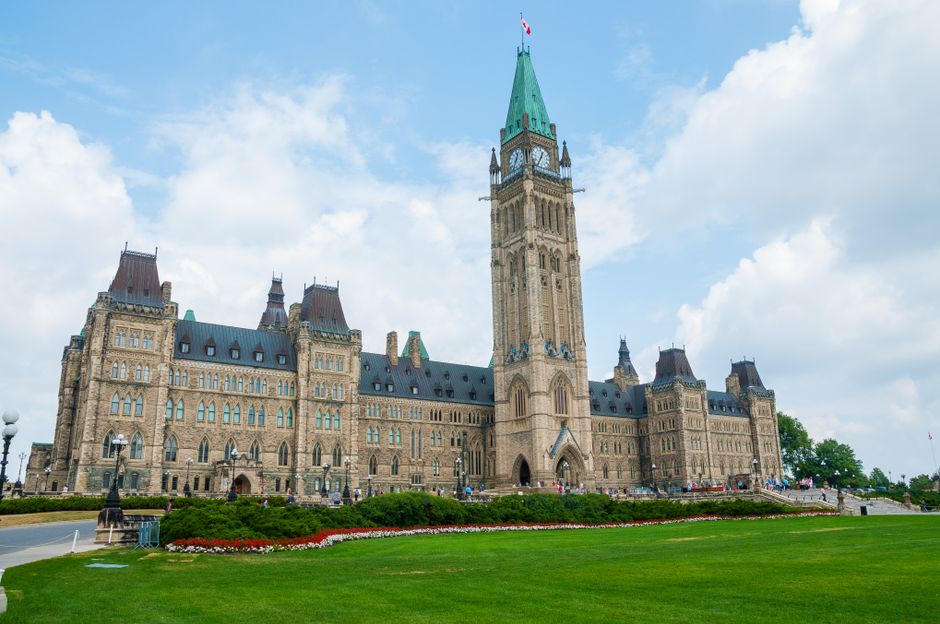

Ottawa city council has been busy with a wide range of critical decisions this year, from financial planning and public safety to housing and transportation. For residents trying to keep up with what their local representatives are doing, we have gathered the most significant updates from recent council meetings. This roundup covers the key votes, debates, and discussions that will affect life in the National Capital Region.
Return-to-Office Policy Stands for Municipal Employees
In a closely watched decision, Ottawa city council voted to leave a controversial return-to-office policy for municipal employees in place. A motion that sought to change the five-day in-office requirement was brushed aside, with council choosing to support the approach set by the city manager. The decision means that thousands of city staff will continue to report to their workplaces five days a week, a policy that has generated debate among workers and some councillors. The specifics of the motion that was set aside were not disclosed in public reports.
Transparency Push for Alto, the Crown Corporation
Council voted unanimously to send a clear message about transparency to Alto, the Crown corporation that oversees certain federal real estate and development projects in the region. The approved plan calls on Alto to provide more information about how its activities may affect private land in Ottawa. While the vote itself does not compel any action from the Crown corporation, it signals council’s desire for better communication and accountability as development projects move forward. Residents and property owners with land near Alto-managed sites should watch for any future public consultations.
Long-Range Financial Plan Approved
Ottawa city council approved a long-range financial plan intended to guide the city’s budgeting and spending priorities over many years. Supporters of the plan argue that it provides needed fiscal discipline and a clear roadmap for infrastructure investment and service delivery. However, critics have raised concerns that the plan could place a heavy financial burden on future councils, limiting their flexibility to respond to unexpected needs or changing economic conditions. The full details of the plan, including specific spending projections and revenue assumptions, are available through the City of Ottawa’s official budget documents.

Councillors Call for More Data on Unsheltered Encampments
Councillors have called for more comprehensive data and enhanced supports to address the growing number of unsheltered encampments across Ottawa. The request comes as municipalities across Ontario operate in legally uncertain waters. Recent court decisions upheld the rights of unsheltered residents to maintain a long-standing encampment in downtown Kitchener, setting a precedent that may influence how cities manage similar sites. Ottawa councillors are seeking better information to inform their approach while balancing public health, safety, and the rights of residents experiencing homelessness.
OC Transpo Compensation for Service Disruptions Under Review
Council directed OC Transpo to explore the possibility of offering compensation to riders when major service disruptions occur. The move responds to long-standing frustrations among transit users who have faced delays, cancellations, and reduced service levels, particularly related to ongoing issues with the O-Train light rail system. While no specific compensation plan or amount has been proposed yet, the direction to explore options is a notable step toward greater accountability for the transit agency. Riders can expect updates as OC Transpo develops its recommendations.
Five Per Cent Police Budget Increase Approved
Councillors approved a five per cent increase to the Ottawa Police Service budget for the coming year. The increase adds $26.2 million to the city’s contribution, which translates to an additional $36 on the tax bill for a property at the average municipal assessment. The decision follows debate over whether the increase is sufficient to address community safety concerns or excessive given other pressing budget priorities. The approved funding is intended to support police operations, recruitment and retention efforts, and community safety initiatives.
Closed-Door Briefing on Extremism Risks
Councillors received a classified briefing on extremism-related risks from senior representatives of the RCMP, CSIS, and the Ottawa Police Service. The closed-door session was held to ensure councillors had a full picture of potential threats facing the city, including risks related to ideologically motivated violence and foreign interference. Details of the briefing were not made public due to security concerns, but the fact that council sought such a briefing reflects the seriousness with which local leaders are approaching the issue of extremism in the National Capital Region.
Public Debate on Proposed Bubble Bylaw
Council heard from all sides during a public discussion about the constitutionality of a proposed bubble bylaw that would restrict protests near schools, hospitals, and healthcare facilities. The bylaw is intended to protect access to these essential institutions while balancing the right to peaceful assembly. Legal experts and advocates presented arguments for and against the measure, with some raising concerns about potential Charter implications. Council has not yet voted on the bylaw; the hearings were part of the deliberative process to inform a final decision. Residents interested in this issue should follow City of Ottawa meeting schedules for updates.
Wastewater Drug Testing Referred to Board of Health
A proposal to expand wastewater testing for drugs has been forwarded to the Ottawa Board of Health for further study and potential implementation. The testing program would analyse sewage samples to track the presence of various substances, providing public health officials with real-time data on drug use trends in the community. Similar programs have been used in other Canadian cities to monitor for opioids and other dangerous substances, helping to guide harm reduction strategies and public health responses. The Board of Health will now examine the feasibility and scope of such a program in Ottawa.
Renoviction Bylaw – Councillors Seek Details
Councillors have expressed a strong interest in seeing Ottawa’s draft renoviction bylaw, which would regulate evictions carried out to allow for major renovations. Tenant advocacy groups have long called for such a bylaw, arguing that bad-faith renovictions displace vulnerable renters and contribute to the city’s housing crisis. While a draft has been prepared by city staff, it has not yet been released publicly or formally considered by council. Councillors want to review the text before any decisions are made, and the public can expect consultations once the draft is made available.
Infrastructure and Seasonal Updates
Lane Closures on Riverside Drive
Lane closures on Riverside Drive westbound will begin on July 13, 2026. The closures are required for infrastructure work and will affect traffic patterns in the area. Motorists should plan for delays and consider alternate routes during the construction period. The City of Ottawa has indicated that the work is part of ongoing efforts to maintain and improve the city’s road network.
Heat Warning Issued
The City of Ottawa issued a heat warning on July 9, 2026, in response to forecasted high temperatures and humidity levels. Residents were advised to take precautions, including staying hydrated, avoiding strenuous outdoor activity during peak heat hours, and checking on vulnerable neighbours and family members. Cooling centres were opened at various city facilities to provide relief from the heat. The warning remains in effect until conditions improve.
Frequently Asked Questions
How can I watch Ottawa city council meetings?
Ottawa city council meetings are streamed live on the City of Ottawa’s official YouTube channel and can also be viewed on the city website. Archived recordings are available for those who miss the live broadcast. Meeting schedules and agendas are posted on ottawa.ca in advance.
What is the status of the bubble bylaw?
Council has heard public submissions on the proposed bubble bylaw but has not yet voted on it. The bylaw would restrict protests near schools, hospitals, and healthcare facilities. A final decision will come after further deliberation, and residents can monitor the city’s meeting calendar for updates on when a vote may occur.
Will OC Transpo riders actually get compensation?
Council has directed OC Transpo to explore compensation options for service disruptions, but no plan has been finalized. The transit agency will develop recommendations for council to consider at a later date. Riders should watch for public consultation opportunities and official announcements as the process moves forward.
How will the police budget increase affect my property taxes?
The approved five per cent police budget increase adds $36 to the tax bill for a property at the average municipal assessment in Ottawa. This is calculated based on the $26.2 million increase in the city’s contribution to the Ottawa Police Service budget. Individual impacts will vary depending on your property’s assessed value.
Ottawa city council continues to shape the future of the National Capital Region through regular meetings, votes, and public consultations. Residents are encouraged to stay informed by visiting the City of Ottawa’s official website, attending council meetings in person or online, and reaching out to their local councillors with questions or concerns. By keeping up with these decisions, Ottawans can better understand how their city is being governed and what changes are on the horizon.
About The Author