
It is easy to feel a sense of relief watching the American electorate turn bluer in the 2026 midterms. I am happy to see Americans voting for change, but let us not mistake an electoral backlash for a conscious, unified effort to fix a democracy in peril. People voted for many reasons, including the rising cost of living, dissatisfaction with the war in Iran, concerns about corruption and opposition to Donald Trump. Some were undoubtedly motivated by a desire to protect democratic institutions. But voting against a government is not necessarily the same as voting for fundamental change.
That distinction leaves me deeply skeptical about what comes next. While Donald Trump and his coterie represent, in my opinion, one of the most corrupt and self-serving political movements in modern American history, the uncomfortable truth is that both major parties have spent decades accommodating the interests of corporate America and the billionaire class.
There are exceptions, particularly among progressive Democrats who support policies rooted in social democracy. I believe these politicians offer the best hope for a fairer America, just as similar movements offer hope here in Canada. But winning an election and changing a political and economic system are two very different things.
The Positives: A Crack in the Status Quo
Credit must be given where it is due. The 2026 midterms delivered several historic firsts and progressive victories that offer genuine hope.
In Michigan, Abdul El-Sayed became the first Muslim elected to the U.S. Senate, running on a progressive platform championing Medicare for All, reducing corporate influence in politics and limiting U.S. military support for Israel.
Down in Texas, James Talarico defeated Ken Paxton, becoming the first Democrat elected to the U.S. Senate from Texas since 1988. Talarico’s economic populism, including universal childcare, paid family leave, reversing tax advantages for the wealthiest Americans and capping credit card interest rates, suggests that policies aimed at improving working people’s lives can resonate even in traditionally Republican territory.
Maine’s Troy Jackson, backed by more than 40 labour unions, defeated longtime Republican Senator Susan Collins. A former logger and union member, Jackson campaigned to improve wages, protect workers, and shift more of the tax burden toward wealthy individuals.
We also witnessed important victories for representation. In Minnesota, Peggy Flanagan, a citizen of the White Earth Nation, became the first Indigenous woman elected to the U.S. Senate. In Georgia, Keisha Lance Bottoms defeated businessman Rick Jackson to become the first Black woman elected governor in the United States.
These victories matter. They demonstrate that progressive economic policies can win elections, even in unlikely places. But these new leaders are stepping into a political system that has repeatedly resisted efforts to redistribute wealth and power.
The Illusion of Power: What Can They Actually Do?
Democrats have won control of both the House of Representatives and the Senate. This is no small achievement. They can block much of Trump’s legislative agenda, investigate his administration, control congressional committees and influence federal spending.
The Senate can also refuse to confirm presidential nominees, including federal judges and senior officials. Congressional committees can subpoena documents, question witnesses and investigate suspected corruption, conflicts of interest and misuse of public funds.
As a result of the midterms, Democrats now have the power to expose wrongdoing, including potential efforts by Trump and his associates to enrich themselves through political office.
But will they?
What concerns me most is whether Democrats have the political will to pursue accountability, even when it becomes uncomfortable for members of their own party.
There are also serious limits to what Congress can accomplish. Congressional investigations can uncover evidence of crimes, but Congress cannot prosecute or imprison anyone. Democrats could impeach Trump, but removing him from office would require a two-thirds vote in the Senate.
Trump can also pardon federal offences, although not state crimes. Congress cannot simply legislate away that constitutional power.
Reversing Trump’s policies presents another challenge. He can veto new legislation, and overriding that veto requires a two-thirds majority in both chambers. The Senate filibuster also allows a minority of senators to block most ordinary legislation unless 60 senators agree to end debate.
Even a few moderate Democrats siding with Republicans could prevent significant progressive reforms from advancing.
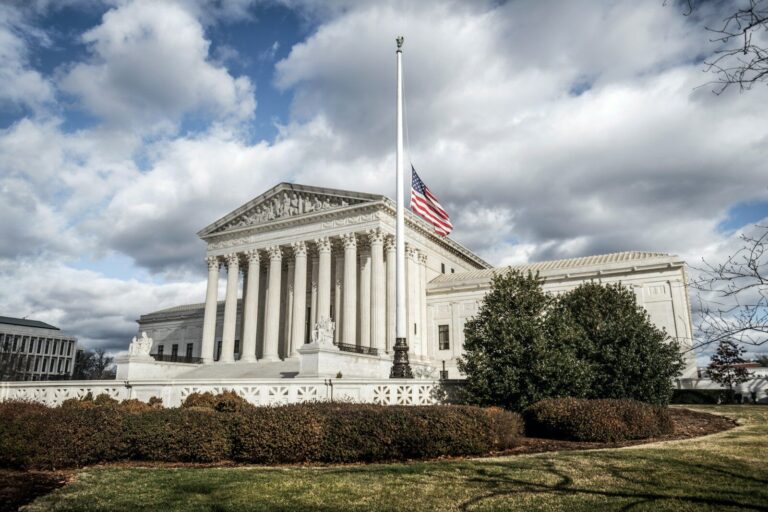
Add a conservative-majority Supreme Court and a federal judiciary shaped by years of Republican appointments, and the obstacles become even greater.
Democrats have gained considerable power, but whether they can use it to make lasting changes remains another matter.
Also read: In Politics, Respect is a Privilege
What About the States?
At the state level, Democratic governors may have more immediate opportunities to act, especially in states where Democrats also hold enough seats in the legislature to pass new laws.
They can strengthen environmental protections, defend healthcare access and limit certain forms of cooperation with federal immigration enforcement.
One area deserving attention is the rapid expansion of data centres.
Beyond the environmental damage they inflict, data centres support increasingly powerful AI systems and enormous collections of personal and corporate information. While they serve legitimate purposes, I worry about their potential to enable mass surveillance and concentrate technological power in the hands of a few corporations and governments.
States can regulate their environmental impact and establish stronger privacy protections, although governors often need legislative support to do so. These measures are important, but they do little to address my deeper concern about the growing concentration of technological power in the hands of a few corporations.
The Lame-Duck Period and Billionaire Evasion
The midterms are done, and the new Congress will not take office until January 3, 2027. Until then, Republicans retain control, giving Trump and his allies an opportunity to push through appointments and other measures before Democrats assume power.
Trump himself remains president until January 2029. He will continue to have substantial authority, including the ability to issue executive orders and grant federal pardons.
Meanwhile, the billionaire class has no reason to surrender its influence simply because voters have chosen a different party.
Wealthy individuals and corporations can protect their interests through lobbying, legal challenges, shifting investments and restructuring their businesses. I expect them to resist reforms that threaten their wealth and influence, just as they have in the past.
They do not even need to defeat progressive politicians directly. Persuading a handful of moderate Democrats to oppose particular reforms may be enough to block legislation or water it down.
This is why I remain skeptical that an electoral victory, however impressive, will produce the economic transformation so many Americans desperately need.
The Canadian Context: A Temporary Reprieve?
For Canadians, Democratic control of Congress may bring some relief from Trump’s confrontational approach to trade. Democrats could challenge some of his policies, while governors in border states may encourage closer economic cooperation.
But Democrats are not uniformly opposed to tariffs or protectionism, and Trump retains substantial authority over trade policy. The threat to Canadian businesses remains.
There is also a lesson here for Canada. Our political system is hardly immune to corporate influence. Whether we are discussing healthcare privatization, housing or public services, we face many of the same questions about whose interests governments ultimately serve.
Changing governments does not necessarily mean changing the economic priorities that guide them.
A Victory Is Not a Revolution
The 2026 midterms have delivered a desperately needed injection of progressive leaders who genuinely appear committed to improving the lives of working people. Their victories deserve recognition, and I hope they succeed.
But a wave election is only as powerful as the strength of the structures it washes over.
Democrats now have meaningful tools to investigate corruption, constrain presidential power, influence government spending and defend democratic institutions.
What they do not automatically possess is the ability, or perhaps even the collective willingness, to fundamentally change an economic system that has allowed enormous wealth and political influence to accumulate in so few hands.
In my opinion, that is the deeper problem.
I believe social democracy offers a more equitable alternative, one that places greater value on public services, workers’ rights, economic security and the collective wellbeing of society. But achieving those goals requires more than electing a few progressive representatives. It requires sustained public pressure, stronger labour organizations, campaign finance reform and a population willing to demand more than temporary relief from the worst excesses of the system.
I am encouraged by the election results. But I am not yet convinced that America has experienced a fundamental political awakening. The electorate has rejected much of what Trump and the Republicans have done. Whether that rejection translates into lasting support for a fairer society remains to be seen.
The billionaire class is not going away. Corporate influence will not disappear. The courts, the filibuster, presidential powers and divisions within the Democratic Party will continue to shape what is politically possible.
And perhaps, rather than simply celebrating what Democrats have won, we should begin asking what they are prepared to do with it.
About The Author