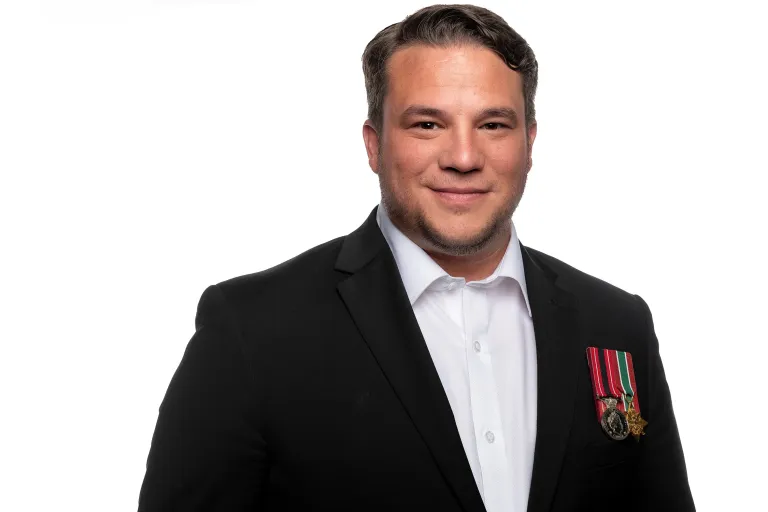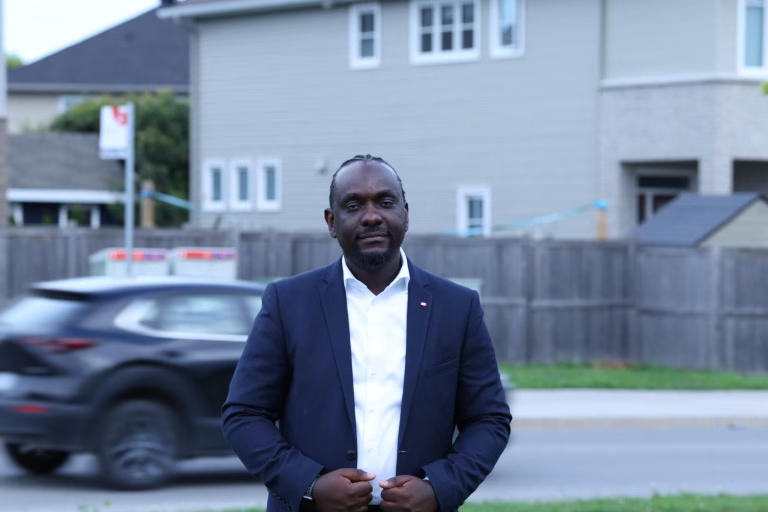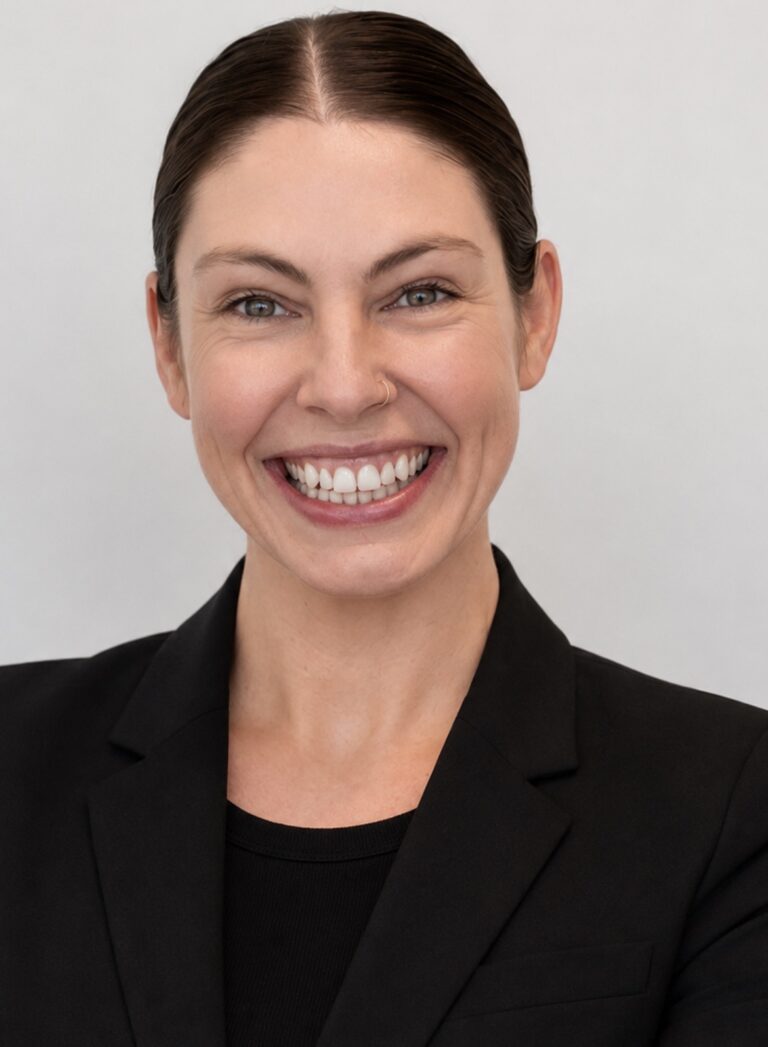

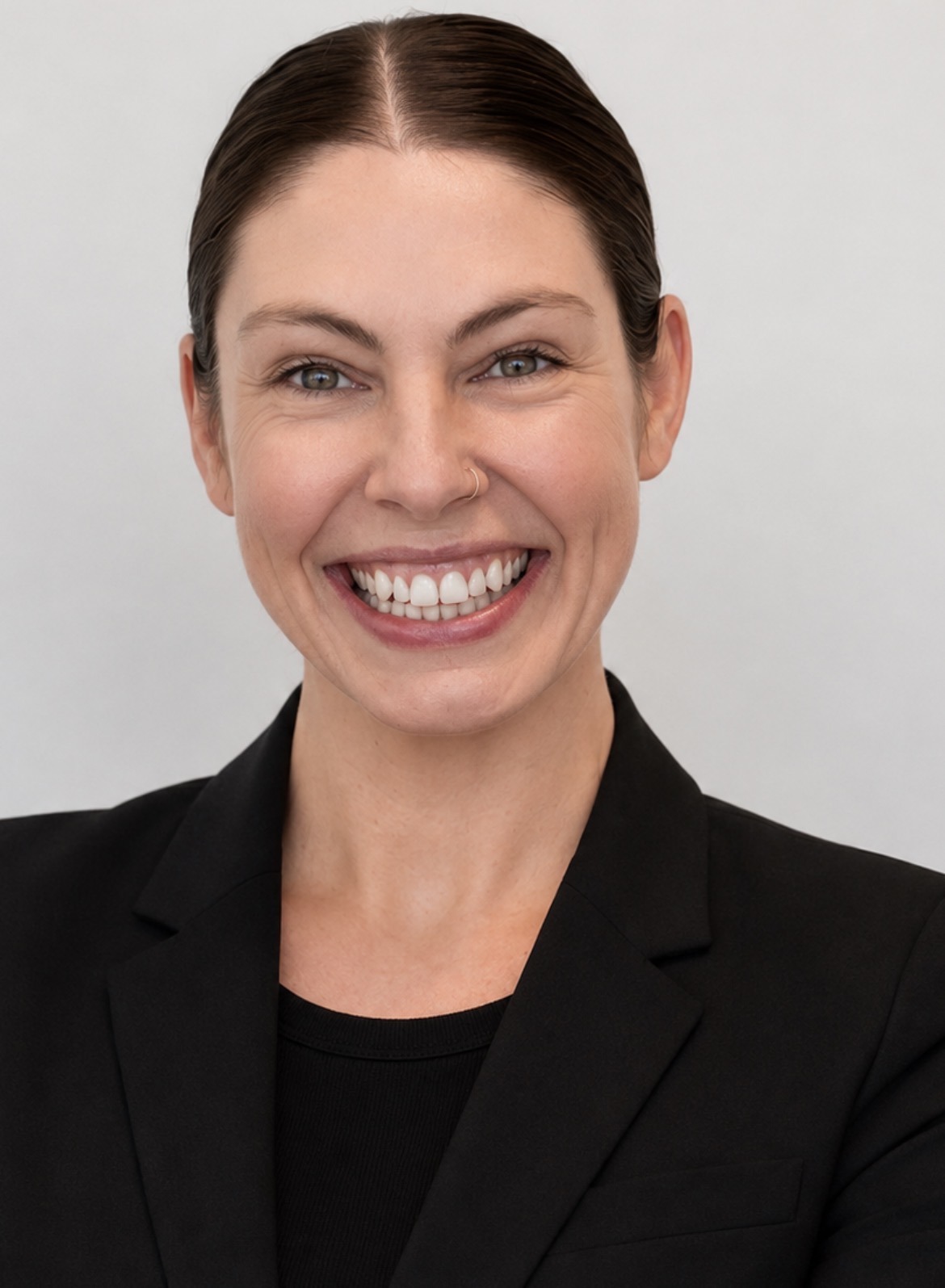
Megan Strazds-Esenbergs. Photo courtesy of Megan Strazds-Esenbergs campaign
The following are 5 questions that we sent out to every Ottawa City Council candidate in hopes of getting to know them better. We publish the responses exactly as we receive them, in the order that they were sent to us. Here are the responses from Kanata South (Ward 23) Council candidate Megan Strazds-Esenbergs.
1. Who are you? Where are you from? What relevant experience do you have for the job?
My name is Megan Strazds-Esenbergs. I’m a wife, mom of two teenagers, public servant, researcher, and policy analyst living in Bridlewood in Kanata South.
My background is in psychology, community psychology, political science, research, and public policy. I have an Honours degree in Psychology, a Master’s in Community Psychology, and a Master’s in Applied Politics. I have 10 years of experience in research and policy across community organizations and government.
That experience has taught me how to listen to different perspectives, analyze evidence, engage stakeholders, and turn complex information into practical recommendations for decision-makers. My community psychology background in particular has shaped how I approach this campaign: start by listening to people, understand their experiences and needs, and develop solutions with the community rather than assuming I already have all the answers.
2. The city spends nearly $1B/y on OC Transpo, though many constituents remain dissatisfied with the state of Ottawa’s public transportation. What would you do as a councillor to improve the city’s transportation system?
Transit has been one of the most consistent concerns I have heard throughout my listening-campaign.
My transit commitment has two parts. First, we need to address the needs residents have now. I would advocate for increased bus fleet capacity, continued expansion of express routes with a focus on bringing service back into communities, improved Para Transpo capacity and reliability, and more affordable transit, including starting the Pre-teen and Youth discount service (ages 11–18) at 3:00 p.m. instead of 5:00 p.m. and exploring reduced fares for older adults.
Second, Ottawa needs a stronger long-term vision for transit that meets people’s needs. We need to plan around how and where people actually travel and improve connections between bus service and the LRT. Reliable local service within Kanata and better transit access to schools have also been recurring concerns I’ve heard from residents.
3. In a December 2025 poll from Abacus Data, 37% of respondents said that cost of living was the most important issue facing the city; another 19% responded ‘housing affordability.’ What would you do as a councillor to make the city of Ottawa more affordable?
On housing, we need to continue working with our provincial and federal partners to increase the supply of affordable housing and strengthen rent protections for tenants. At the municipal level, I would support continued efforts through initiatives such as the City’s Affordable Housing Community Improvement Plan, which is designed to encourage the development of more affordable rental housing.
We also need to think about affordability through how we plan and grow our city. I support focusing more growth inward and building complete communities based on concepts such as 15-minute neighbourhoods, where residents have better access to housing, public services, amenities, transit, parks, and other everyday needs closer to where they live. Better community planning can reduce reliance on cars and some of the costs that come with them.
Transit is another important part of affordability. My transit commitments include improving access to reliable bus service so that commuting by transit is a more practical option and residents can rely less on cars and paid parking. I have also committed to starting the Pre-teen and Youth discount service (ages 11–18) at 3:00 p.m. instead of 5:00 p.m. and exploring reduced transit fares for older adults.
Finally, affordability also means ensuring residents receive value for the taxes they pay. I would focus on prioritizing needs, using evidence to guide spending decisions, and being transparent about how public dollars are being used.
4. Certain city services like OC Transpo and the OPS have run significant deficits in recent years. Is there anything that you would do as a councillor to try to balance the city’s budget?
Balancing the budget requires more than simply cutting services or setting an arbitrary limit on taxes. I think Council needs to take a closer look at how money is being spent and whether investments are actually achieving their intended outcomes.
My approach would be evidence-based. What is the need? What options have been considered? What does each option cost? What outcomes are we getting for that investment, and are there unintended or longer-term costs we need to consider?
I would also like to see stronger coordination and project management across the City to reduce situations where work has to be redone or projects result in avoidable additional costs.
Residents expect Council to be responsible stewards of public money. That means prioritizing needs, identifying efficiencies where they exist, demanding accountability for significant investments, and being transparent with residents about the choices and trade-offs involved in City spending and investments.
5. Why are you running for Council? What do you think is the biggest issue facing your ward today?
I’m running because I want to improve the quality of life in Kanata South and across the City of Ottawa through balanced and realistic commitments, while also improving the experience residents have with their City Councillor. I believe Kanata South needs leadership that is approachable, responsive, accountable, transparent, and connected to the people it represents.
I deliberately started this campaign without deciding on a platform or predetermining what the community’s biggest issues were. Instead, I started by listening. Over the course of the campaign, I have visited thousands of homes and spoken directly with residents about their experiences and priorities.
Three issues have been identified by residents. First, residents want a better experience with their municipal government, including greater responsiveness, accountability, transparency, and follow-through. Second, roads, traffic, and safety are significant concerns, particularly speeding, congestion, and the condition and capacity of our existing infrastructure. Third, residents are concerned that our transit system is not meeting their needs, particularly when it comes to reliability, accessibility, routes, and frequency.
Those conversations have directly shaped my priorities and commitments. I’m running to bring a listening-first approach to City Hall, one that keeps residents involved, makes evidence-informed decisions, follows through, and puts people before politics.
About The Author