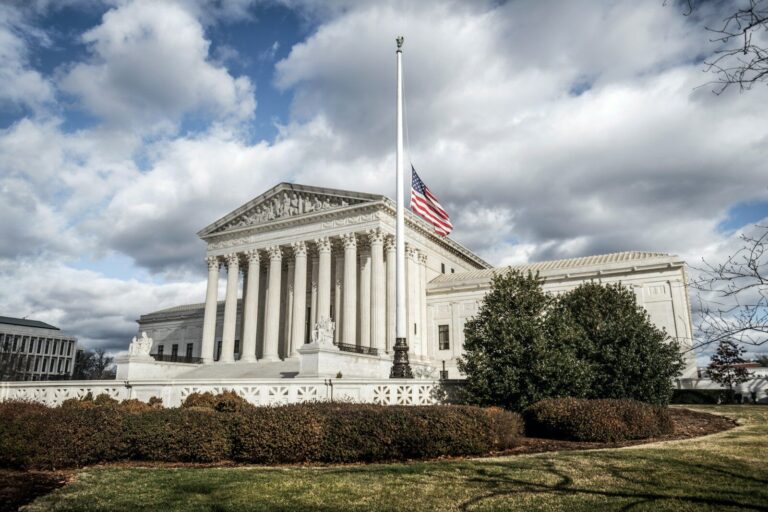

What are we supposed to do when polite protest is either not acknowledged or has no effect? When we see our governments doing the wrong thing or acting against the will of the people? When our governments ignore the needs of the majority to line the pockets and further empower a tiny minority who already have incredible wealth and power?
Most people want stable, affordable housing while governments and corporations continue to treat housing as an investment vehicle. They offer tax loopholes, bailouts, and subsidies to corporate landlords and developers, while ordinary people face historic rent spikes, skyrocketing mortgage payments and homelessness.
In Canada (and elsewhere), the vast majority of citizens want functional public healthcare while governments like Doug Ford’s deliberately underfund public systems to manufacture a crisis, creating desperation and paving the way for private, for-profit clinics and corporate healthcare delivery.
Broad majorities of North Americans (and others) are deeply concerned over environmental collapse, extreme weather, and the long-term habitability of the planet, consistently stating they want a swift transition to clean, renewable energy. And yet both U.S. and Canadian governments continue to hand billions of dollars in public subsidies, tax breaks, and infrastructure funding to oil, gas, and pipeline conglomerates.
Most ordinary citizens overwhelmingly prioritize domestic stability, funding for local infrastructure, education, and healthcare over foreign interventions and military escalations and yet billions to trillions of dollars of public money are continuously funnelled into the military-industrial complex, weapons manufacturing, and foreign wars to line the pockets of defence contractors and corporate arms dealers. This can lead governments to become entrenched in war mentality. If they’ve paid for it, are they now more inclined to use it? It also sets the stage for global paranoia, which is not conducive to negotiating. (Who negotiates with a gun pointed at their head?). There is absolutely nothing sane about stockpiling world-ending weapons under the guise of “deterrence.”
I could go on and on with examples of public will and public good versus government action. And all of it illustrates that our governments don’t appear to be hearing us or to care if they do.
So, I can’t help but ask myself whether I’m a manipulated patsy for writing endless LTEs and informational articles, and for protesting politely? I’m so sick of it because I don’t think we are being effective. The “message” is not getting through.
They don’t care.
The Illusion of Safety Among the Very Wealthy
When I look at the utter recklessness of policies that gamble with nuclear war or a dangerously warming planet, I can’t help but feel that the people clinging to extreme wealth and power are deluded. They seem to think their money will shield them from the very crises they create and that we will just “let them” do it.
But let’s look at it up close: what’s to prevent your pilot from seizing your plane while you jet to your fortress in New Zealand? What prevents your private army from seizing the supplies in your well-stocked bunker (and worse, killing you)? What makes you think you are safe– from us?
There appears to be an illusion that goes hand in hand with immense power and wealth: the idea that the rest of us are powerless and will just sit back and let them burn the house down. History has repeatedly shown us that when extreme inequality reaches the point where ordinary people can no longer meet their basic needs, the consequences can be explosive. The wealthy may believe their money and power will protect them, but there is no guarantee that they will survive the instability their actions help create.
Also read: The US Midterms: Why Democratic Victories Won’t Save Us Just Yet
Why Polite Protest is a Trap
The constant accumulation of extreme amounts of money and power isn’t just selfish; it’s a sickness. But instead of wasting more of my time trying to psychoanalyze why they do this and why they don’t care about us (and I’ve done a lot of that), I think we have to focus on the catastrophic results of their actions and what we can do about it.
What Comes Next? Total-Spectrum Pushback
If polite, permission-based dissent hasn’t moved the needle, what comes next? We are forced to ask if it is time for a systemic shift toward un-polite strategies—a collective reevaluation of tactics that prioritize making life deeply uncomfortable for the people who ignore our basic needs.

Disrupting the Elite Bubble (Visibility & Discomfort)
The idea is to cause maximum discomfort to the Elite whenever they choose to appear in public. This includes interrupting their leisure activities and challenging their social standing by staging unannounced, highly disruptive demonstrations at exclusive country clubs, private charity galas, corporate retreats, and private airports. By interrupting their events, activists make the abstract consequences of extreme wealth an unavoidable, daily discomfort.
This includes relentlessly confronting politicians, lobbyists, and corporate leaders in their everyday public lives to visibly demonstrate their unpopularity to the world. It also means disrupting their staged, comfortable media appearances by forcing them to answer unscripted questions on camera, effectively ruining their polished public image. One example (there are many) is Walter Masterson who is a digital creator, comedian, and in-your-face crusader.
To strip away elite anonymity, activists are increasingly using open-source intelligence databases to force hidden wealth and dirty secrets into the public eye. Using databases like ADS-B Exchange and MarineTraffic, citizens can track the unfiltered movements and massive carbon footprints of billionaires’ private jets and mega-yachts. To unmask the real owners behind the numbered shell companies buying up local real estate, they turn to registries like OpenCorporates and provincial land databases like ONLAND. Meanwhile, platforms like OpenSecrets and Elections Canada follow the money funding political campaigns, legal databases like CanLII expose the court histories of serial evictors, and the Wayback Machine recovers deleted digital evidence that PR firms try to scrub from the internet. By connecting the dots with these public records, everyday people can ensure the ruling class has nowhere left to hide.
Economic Disruption & Sabotage
Economic disruption and sabotage move beyond simple consumer boycotts to directly target the financial lifelines of powerful institutions. Through targeted divestment, activists pressure pension funds, universities, and municipal budgets to pull billions out of harmful industries like the military-industrial complex and fossil fuels, while “guerrilla shareholders” purchase minimum stock just to crash private annual meetings and force accountability votes.
On the retail level, tactics like logistical “shop-ins” or trolley boycotts involve hundreds of activists filling shopping carts with boycotted goods and abandoning them at checkout, paralyzing store operations and costing the company significant labour without spending a single cent.
By organizing debt strikes and coordinated defaults on predatory medical or student loans, large numbers of people can collectively threaten the underlying financial instruments and securities that banks and investors rely on for their guaranteed returns. See The Debt Collective.
The ultimate escalation of economic friction is the general strike. If rent strikes and trolley boycotts target specific bad actors, a general strike targets the entire system. By coordinating mass, cross-industry walkouts—from logistics and transit to retail and sanitation—citizens can instantly paralyze the economy. A general strike drops the polite request for change and instead leverages the one undeniable power the majority holds: the ability to completely halt the flow of capital and grind the daily comfort of the ruling class to a sudden, unavoidable halt.
The Digital Asymmetry Tactic (How to Hijack the News Cycle)
Activists using the new digital guerrilla playbook ignore someone’s claims entirely. They do not offer to fact-check official rhetoric because debating it gives this narrative oxygen. Instead, they launch an immediate, raw, and highly emotional counter-attack to hijack the algorithm.
Example: Imagine a scenario in which a billionaire developer (like Toronto’s Michael Klein) is caught secretly lobbying to demolish a low-income neighbourhood to make way for a luxury golf course. When his PR firm releases a slick, well-funded video framing the project as positive “urban renewal,” traditional activists often fall into the trap of polite, defensive pushback. They might publish long, meticulously researched posts citing zoning laws and economic data to fact-check his claims. Because social media algorithms ignore long-form, unemotional content, this polite rebuttal gains no traction, allowing the billionaire’s corporate narrative to dominate the news cycle and algorithmic trends unchecked.
Activists using a digital asymmetry tactic ignore the developer’s claims entirely, recognizing that debating his facts only gives his narrative oxygen. Instead, they coordinate a massive, decentralized network to launch a rapid, highly emotional counter-attack—such as flooding platforms with a raw, unedited selfie video of a distressed tenant facing eviction. By instructing thousands of supporters to simultaneously push a provocative hashtag and explicitly ordering them not to engage with the opponent’s original posts, the swarm manipulates platform trends through sheer volume. This high-velocity outrage instantly buries the corporate PR spin, hijacking the mainstream news cycle and forcing the developer (and others like him) onto the defensive.
Conclusion
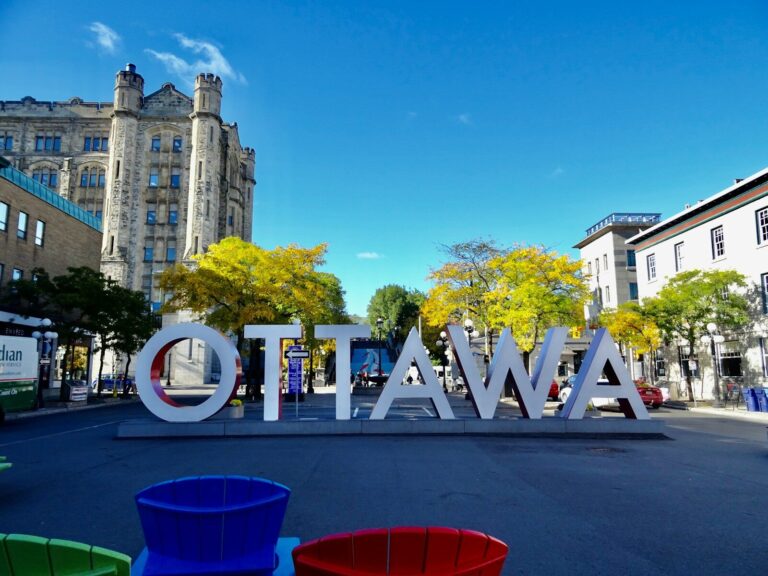
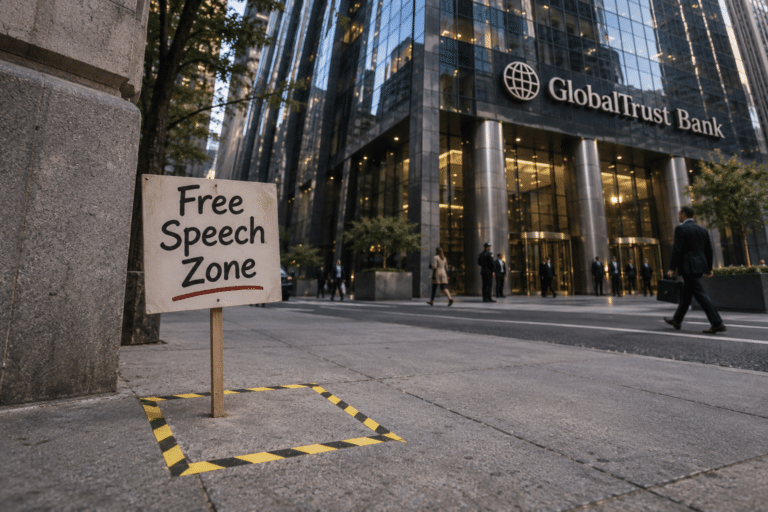
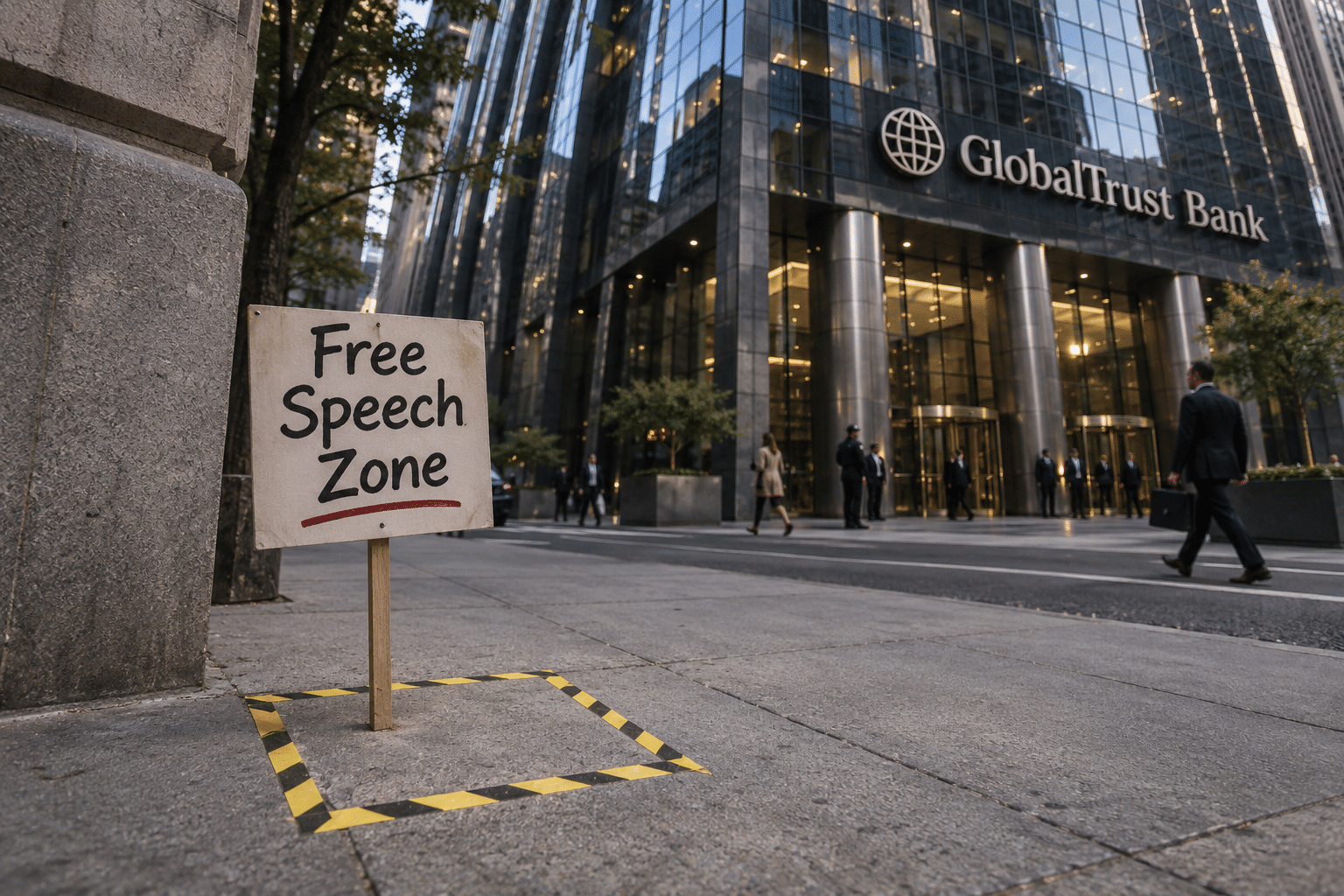
Over the last decade, it isn’t just governments that have systematically chipped away at our right to meaningfully push back—it is a coordinated effort by the entire ruling class. In the physical world, they have boxed us into ever-smaller, permitted “protest zones,” confining dissent to areas where it won’t inconvenience anyone. Just look at the UK, where increasingly restrictive laws have criminalized several forms of disruptive protest and expanded police powers to intervene. Or in Canada, where the state recently arrested senior citizens for peacefully blocking resource extraction.
But the containment is just as aggressive online. The uber-wealthy have quite literally purchased the digital public square, manipulating algorithms to throttle dissent, shadow-ban organizers, and drown out grassroots anger with big-money PR campaigns. Whether in the streets or on our screens, the ability to meaningfully protest—which requires inconveniencing people on purpose—is being engineered out of existence to our detriment. A protest that doesn’t disrupt anything isn’t a protest; it’s a neutered performance designed to let us blow off steam harmlessly, like toddlers in time-out, while changing absolutely nothing.
Some of the strategies I’ve outlined might skirt the rules. But we have to remember who writes those rules. We are playing a rigged game where it is perfectly legal for a corporate landlord to throw hundreds of families onto the street for profit, but if those tenants withhold rent to survive, they are the criminals. The elite expect us to keep playing the polite sucker in their designated, easily ignorable zones. I’m sick of playing by a rulebook designed to keep us losing. If we actually want them to care, we have to stop asking for permission and start getting comfortable with making them deeply uncomfortable.
Disclaimer: The views expressed in this opinion piece are solely those of the author. NCR Now provides a platform for discussing civic action but does not condone illegal practices. Readers are responsible for informing themselves of the legal boundaries and consequences of any direct action in their jurisdiction.
Further Reading and Resources
The Illusion of Safety & Elite Panic
- The super-rich ‘preppers’ planning to save themselves from the apocalypse (The Guardian): A fascinating piece by tech writer Douglas Rushkoff that perfectly illustrates your point about billionaire bunkers. He details a secret meeting where billionaires literally asked him how they could maintain control over their private security forces when money becomes worthless.
Digital Asymmetry & Information Warfare
- Lula’s Army: Lessons From Online Political Mobilization (Just Security): An analysis of how decentralized WhatsApp networks and aggressive digital swarm tactics bypassed traditional media in the Brazilian elections.
- The WhatsApp ‘general’ behind Lula’s election comeback (Al Jazeera): A look at André Janones and the strategy of abandoning polite fact-checking for raw, emotional algorithmic hijacking.
- “Janonism”: Lessons from Lula’s victory (YouTube): A video essay breaking down how the internet is used as an asymmetrical battlefield rather than a public square for polite debate.
- Unveiling the Panama Papers: The Global Whistleblower Saga (ICIJ): The gold standard of “megaleaks” that bypassed PR firms to expose the offshore tax havens and illicit wealth of the global elite.
Economic Friction & Direct Action
- Anti-Oligarchy Activists Plan to Dox Elon Musk and Hundreds of Billionaire-Linked Homes (Wired / Democratic Underground): Coverage of activist groups moving away from government buildings to target the private sanctuaries and real estate of the ultra-wealthy.
- Climate activists are targeting the superyachts and private jets of the ultra-rich: A look at how modern environmental pushback has shifted from polite marches to the active disruption of the leisure and luxury assets of the billionaire class.
- How the Debt Collective is Building a Union for Debtors: The homepage and resource hub for the Debt Collective, an organization successfully executing “debt strikes” to threaten the financial instruments of predatory lenders and cancel medical/student debt.
- Toronto tenants withhold rent to fight corporate landlords (CBC News): A real-world look at how localized tenant unions use coordinated rent strikes to apply immediate economic sabotage against corporate property owners when polite lobbying fails.
- What’s a General Strike, Anyway? (Teen Vogue – yes the article is good): An article exploring the historical power of general strikes to force elite concessions when standard political channels fail.
- The Winnipeg General Strike of 1919 (The Canadian Encyclopedia): A deep dive into the largest strike in Canadian history, demonstrating what happens when over 30,000 workers across multiple industries paralyze a major city to demand fundamental systemic changes.
About The Author