
“No reason.”
That’s what the President of the United States said when a reporter asked why he had picked that Friday to ban CNN, MS NOW and Politico from the White House. No reason. Does that seem legal to you?
Yep. Last Friday, Trump went on Truth Social and announced the ban, saying the three outlets shouldn’t be allowed to keep reporting “FICTION and LIES” about him. The next morning, their reporters’ passes to the White House grounds were switched off. He even said the effort was worth it whether or not it held up in court. And he hinted that others could follow, naming the New York Times and the Washington Post.
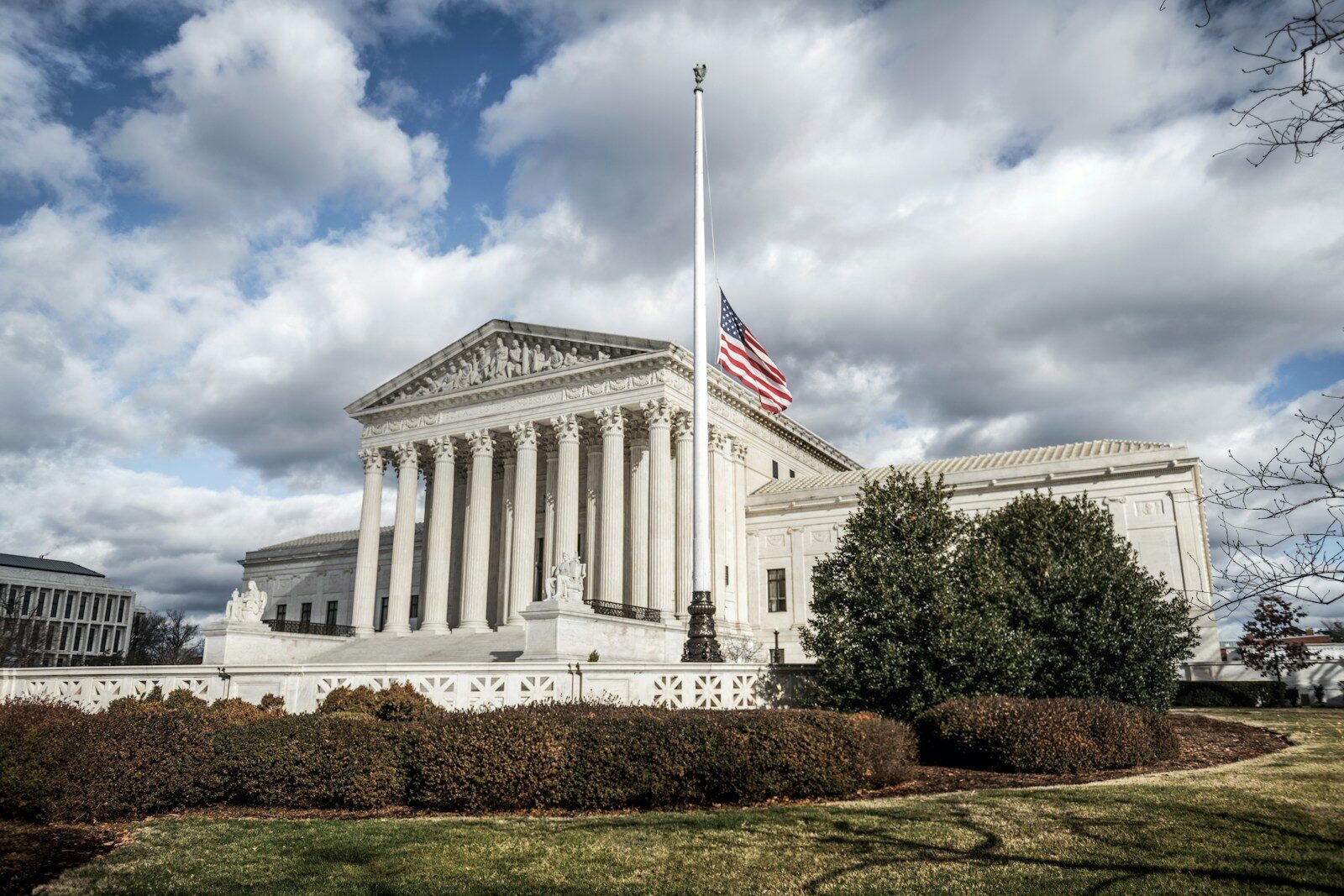
Then, just after midnight Thursday, a federal judge told him no.
Judge Timothy Kelly, ironically nominated to the position by Trump himself in 2017, ordered the white house to “immediately return, reinstate, and restore” the passes and granted the three outlets a 14-day temporary restraining order.
Why did he rule that way? Honestly, it isn’t complicated. A 1977 appeals court case, Sherrill v. Knight, and a 2020 case, Karem v. Trump, both found that journalists holding White House hard passes are entitled to due process before those passes are taken away. In plain English, you get warned, you get a clear reason, and you get a chance to answer. Kelly knows this law inside and out. He’s the same judge who ordered Jim Acosta’s pass restored back in 2018, using that very same 1977 case.
None of that happened here. The outlets got no warning before Trump announced the ban, and Kelly said as much at the hearing. The letters explaining the ban only showed up days later, after the lawsuit was filed. Kelly called the standard in those letters “so vague it hardly does the trick.” The government’s lawyers even argued the old cases were wrongly decided. His answer? “Maybe—but this Court is bound by D.C. Circuit precedent, full stop.”
Then, conveniently, the White House discovered national security. It pointed to a CNN story from January about construction on the bunker under the East Wing, and it didn’t even dispute that the story was accurate. Kelly noticed that the story ran months before the CNN reporter’s pass was renewed this summer. The outlets’ lawyer said it looked like “a light bulb went off” somewhere in the administration after the fact. Funny how that works.
And even with a court order in hand, a CNN reporter said she was turned away at the White House a few hours later.
Now. Why should any of this matter to us up here in Cornwall?
The administration’s whole argument was that getting into the White House is a “privilege,” not a right. Trump put it this way: “I don’t have to let them into the people’s house.” Sounds reasonable, right? It’s his house. Except it isn’t. It’s the people’s house.
And yes, I’m going to go there. The Nazi Germany comparison. Before you roll your eyes and scroll past, hear me out.
When we picture how Hitler took over the German press, we picture book burnings and smashed printing presses. That happened. But the real work was done with paperwork. In 1933, the Nazis created the Reich Press Chamber, and if you weren’t a member, you couldn’t work as a journalist. The Editors Law that same fall made editors answer to the state instead of to their readers, and it barred Jews and political opponents from the profession. Every day, Goebbels’s propaganda ministry gathered the accredited journalists and told them what to cover and how. Play along, and you kept your seat. Don’t, and you lost your job. Or worse.
They even had a word for the independent press they were crushing: Lügenpresse. The lying press.
Fake news, anyone?
But Goebbels understood that controlling who got into the room was only half the job. The other half was talking to the people directly, with no pesky reporter in between. That’s why the Nazis pushed a cheap radio set, the Volksempfänger, the “People’s Receiver,” into as many German homes as they could. Get the independent voices out, then fill the silence with your own.
Which brings me to Monday night.
Three days after the ban, the White House launched its very own channel. I’m not kidding. It’s called “Trump TV: The Essentials Station.” It’s a 24/7 YouTube livestream that’s also on the White House website and its app. The administration’s digital director described it as Trump’s “greatest hits, unfiltered.” The White House’s own sales pitch? “Not every big moment has made it on your tv, now it can.” So far, it’s mostly old speeches, bill signings and appearances playing on a loop. And what did they choose to open with? His July 3 speech at Mount Rushmore, where he blamed “newcomers to our country” for a resurgence of communism in America.
Why launch it now? The same digital director, Kaelan Dorr, said on X that the press had reported “inaccurately or not at all on the Administration’s many record breaking accomplishments.” Translation: if the reporters won’t say what we want, we’ll say it ourselves. Twenty-four hours a day, seven days a week.
And the timing is no accident. When CNN was blocked from its turn filming Trump at the United Nations, ABC, CBS, Fox News and NBC pulled out of the TV pool rather than take CNN’s place. Yes, Fox too. So in the same week the networks’ cameras went dark, the White House turned on its own. Democratic Senator Mark Kelly of Arizona and California Governor Gavin Newsom both called it “state run” media. I’d love to tell you they’re exaggerating.
Am I saying America is Nazi Germany? No. I’m not. But think about what a ruling the other way would have meant. A president could strip a reporter’s credentials with no warning, no standard, and, in his own words, no reason. Then he could hand you his own channel to watch instead. Every reporter left in the room would learn the lesson without anyone having to say it out loud. Nobody has to close a single newspaper. The questions just get softer. Some stop being asked at all.
I wrote about this playbook last year in How Bullies Broke the Newsroom. Intimidate, wear down, silence. It’s the same playbook, just with a bigger budget, a presidential seal, and now its own TV channel.
And it isn’t the first time. Last year, another Trump-appointed judge ordered the White House to let the Associated Press back in after it was banned for refusing to call the Gulf of Mexico the Gulf of America. The White House also took over picking the presidential press pool from the correspondents’ association, the Pentagon restricted press access, and just last month the Treasury Department denied credentials to some journalists covering the G20. Each step looks small on its own. That’s exactly how these things work.
Now, to be fair. Credit where it’s due. Kelly didn’t give a speech about fascism. He read the law, checked the facts, and did his job, which is exactly what a judge is supposed to do. Even a Trump selected one.
But this fight is far from over. Kelly ruled on due process and hasn’t touched the First Amendment question yet. The order only lasts 14 days, and the administration could still win the bigger fight. A divided appeals court said last year that the White House does get more say over tight spaces like the Oval Office and Air Force One. Nobody has been jailed, and all three outlets can still publish whatever they want. Governments talking directly to citizens isn’t new, either. Previous White Houses, Obama’s included, ran their own video channels, and every Canadian government department has a YouTube page. A livestream sitting next to a free press is not the same thing as a state monopoly on the news. Kelly himself wouldn’t say whether he thinks the old precedents were correctly decided. And plenty of historians will tell you Nazi comparisons cheapen what really happened, and that a Trump-appointed judge stepping in within a week proves how far America still is from 1933.
I hope they’re right. All of that is true at the same time. But the difference between a White House YouTube channel and a propaganda machine is whether the independent press is still in the room. And that’s exactly what Judge Kelly just protected.
Democracies don’t fall overnight. They fall one small shrug at a time. This week, one judge refused to shrug.
The question is… how many of the rest of us will?
What do you think? Is the comparison fair, or am I overreaching? Tell me in the comments.
About The Author